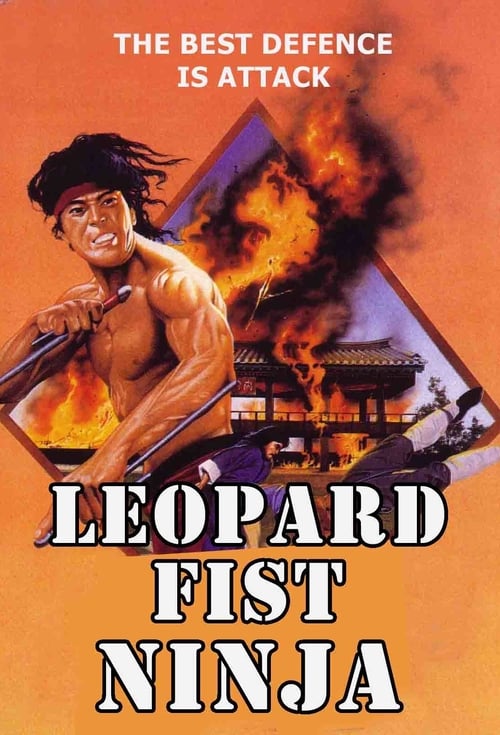
Leopard Fist Ninja
1982
No user ratings available yet
Diversity score: 3.3 out of 10
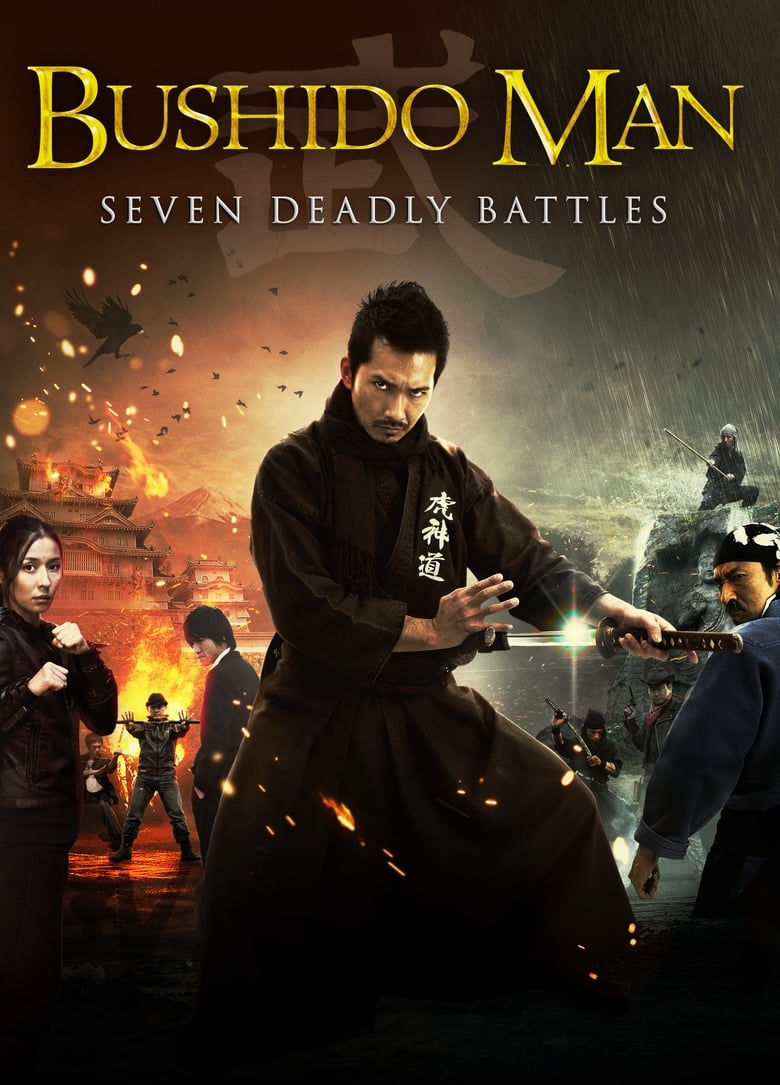
2013
Not RatedDirector
Takanori Tsujimoto
Runtime
88 minutes
Average Rating
No ratings yetSynopsis
Toramaru, lord of integrated martial arts Mugen-ga-ryu, ends his training journey and visits his master, Gensai. "You have to duel with every martial arts master and win, in order to obtain their esoteric books of martial secrets." Receiving such an order from Gensai, Toramaru makes a pilgrimage around Japan and spends a year fighting. Through his fights with genuine masters in every martial arts such as kung-fu, stick fighting, sword fighting, and nunchaku, this film passionately tells what "Budo" is and what Bushido is. Full of fierce and diverse action! The original fighting movie is finally born here!
Overall Score
Limited
Category Breakdown
LGBTQ+ Representation
The film focuses on martial arts mastery and the student-master hierarchy. It lacks non-cisnormative identities or narratives that challenge heteronormativity.
Gender Representation
The story centers on a male protagonist's pursuit of combat secrets. It adheres to masculine-coded archetypes without subverting traditional gender hierarchies.
Racial & Ethnic Diversity
Set in Japan, the film celebrates specific ethnic martial traditions. It functions as a localized cultural product rather than an intersectional blend.
Religious & Cultural Diversity
The narrative emphasizes traditionalist values like Bushido and Budo. It reinforces hierarchies of honor, lineage, and respect for masters.
Disability Representation
There is no evidence of characters with visible or invisible disabilities within the narrative.
Strengths
Areas for Improvement
AI Analysis
Bushido Man is a traditional martial arts odyssey centered on the hero's journey of Toramaru. The film prioritizes historical martial philosophies and the pursuit of esoteric combat knowledge through disciplined struggle. The narrative architecture reinforces conventional hierarchies, specifically the relationship between master and student. It leans heavily into classical genre tropes and traditionalist frameworks of honor. While the film offers a passionate exploration of Japanese combat disciplines, it provides limited engagement with contemporary intersectional or progressive social frameworks.
1982
1979
1985
1977

1992
1979
1977
1989
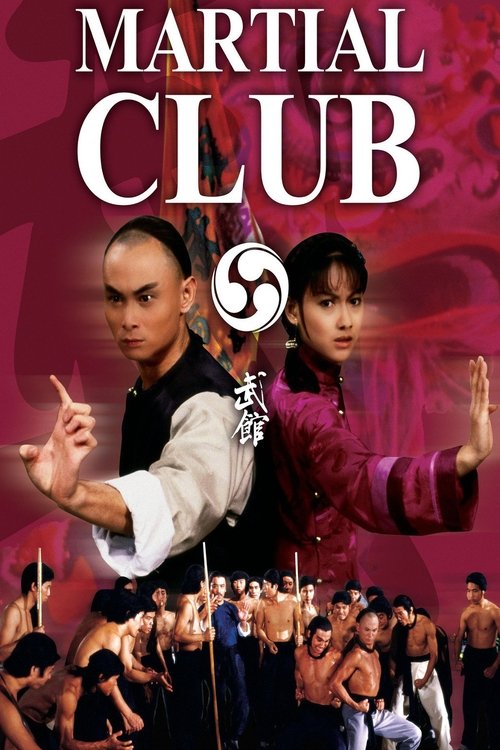
1981
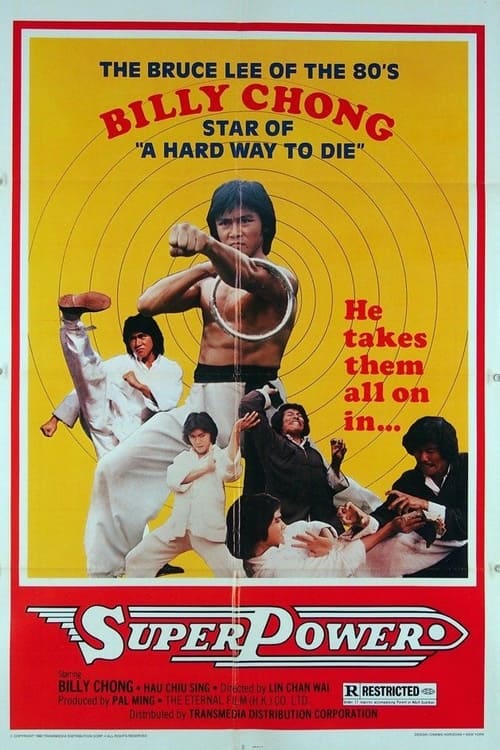
1980

1999
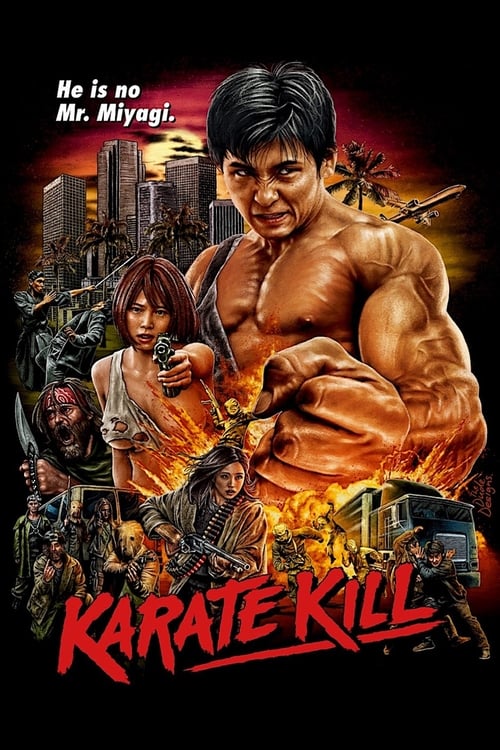
2016
No reviews yet. Be the first to share your thoughts on this movie!
Use the rating form above to leave a star rating and optional review.