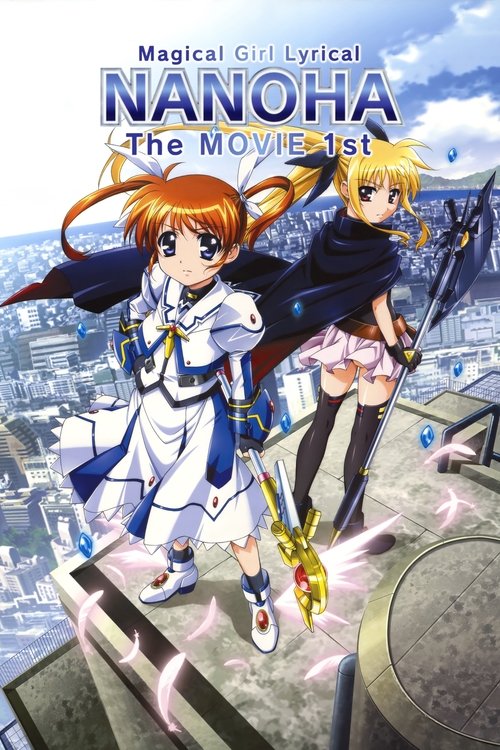
Magical Girl Lyrical Nanoha: The Movie 1st
2010
No user ratings available yet
Representation score: 7.0 out of 10

Representation Score
Good
2003
Director
Yoshiji Kigami
Runtime
54 minutes
Average Rating
No ratings yetNew Showbiz Analysis
Munto is a high-concept fantasy that uses a celestial setting to explore themes of resource scarcity and individual responsibility. While the narrative relies on traditional romantic clichés, it avoids simplistic stereotypes by giving its female lead a vital, specialized role in the plot. The film's strength lies in its world-building, using the tension between the Heavens and the Magical Kingdom to mirror complex geopolitical struggles. It examines how different cultures interact under pressure rather than relying on simple morality. However, the film remains largely conventional in its character dynamics and lacks explicit representation of diverse identities. It functions more as a classic quest than a tool for social subversion.
Category Breakdown
The film follows a traditional romantic structure focused on a relationship between two people who are assumed to be straight and cisgender. There is no explicit portrayal of individuals with non-binary genders or same-sex relationships.
Munto serves as the main driver of the quest, but Yumemi plays a crucial role due to her unique ability to perceive the Heavens. Her special insight is essential for the survival of the world.
The characters exist in a non-Earthly setting where traditional racial markers are less important than magical traits. The film uses non-human species as metaphors for cultural differences.
Conflict stems from resource scarcity and systemic tensions between different realms. This highlights how competing interests and hierarchical power structures affect various groups.
No characters with explicit disabilities are shown. However, Yumemi’s unique ability to see the Heavens reflects the experience of sensory exceptionalism or neurodivergence.
Present on Screen
Limited or Absent
Official Synopsis
Akuto, the main source of energy is running low and the Heavens, a world of islands, hidden beyond time, floating above ours, has united against the Magical Kingdom whom uses the most energy. To save both the Magical Kingdom and the Heavens and restore the flow of akuto, the Magical King Munto must follow a vision and find the girl Yumemi in the lower world. Yumemi herself is just a normal girl except that she is the only one who can see the islands of the Heavens floating above. When Munto appears before her she starts thinking about hers and others responsibility to the world.
2010
2006
2017

2011
2014
2001

1991
2019
No reviews yet. Be the first to share your thoughts on this movie!
Use the rating form above to leave a star rating and optional review.