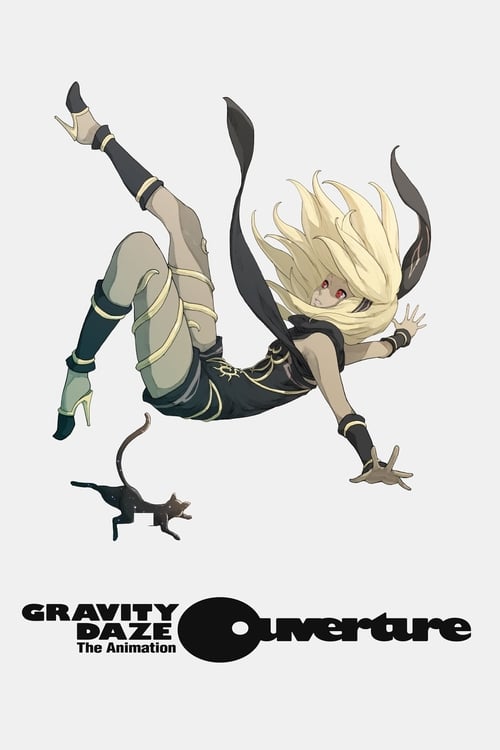
Gravity Rush: The Animation - Overture
2016
No user ratings available yet
Representation score: 8.4 out of 10
Representation Score
Good
2017
Director
Takayuki Hamana
Runtime
111 minutes
Average Rating
No ratings yetNew Showbiz Analysis
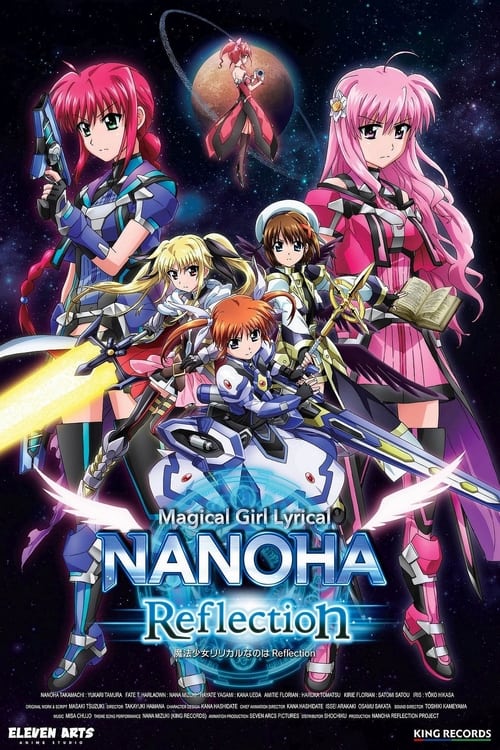
Magical Girl Lyrical Nanoha: Reflection stands out for its sophisticated, female-centric command structure. By positioning women as the primary agents of technological and magical authority, the film successfully challenges traditional masculine leadership roles found in many heroic clichés. However, the film remains limited in its broader social scope. It operates within a relatively homogeneous framework that lacks significant racial diversity or explicit engagement with queer identities, keeping the narrative focused on genre-specific conflict. Ultimately, the work is a study in female empowerment. While it stays within the bounds of traditional genre storytelling regarding sexuality and race, its commitment to subverting gendered power dynamics provides a meaningful departure from conventional clichés.
Category Breakdown
The film does not explicitly depict non-straight relationships or same-sex intimacy. Intense emotional bonds exist between female characters, but the narrative does not address queer identities directly.
The film centers female protagonists who demonstrate high intellect, combat skills, and leadership. Women are portrayed as the primary drivers of magical advancements, avoiding the damsel in distress cliché.
The cast is predominantly homogeneous, reflecting the specific cultural context of the medium. While extraterrestrial elements exist, there is no significant evidence of diverse racial representation.
The narrative focuses on a secular, high-tech magical society rather than religious themes. It follows a standard heroic structure centered on preserving order and protecting others.
There is no prominent depiction of visible or invisible disabilities. Characters are defined by magical and technological integration rather than nuanced disability representation.
Present on Screen
Limited or Absent
Official Synopsis
The planet Eltria, having suffered severe desertification in the past, has all but been abandoned. Against her older sister's wishes, Kyrie Florian travels to Earth alongside her best friend, the AI Iris, in search of the key to their planet's regeneration. However, the only way to find it lies within the Tome of the Night Sky, leading them into conflict with Nanoha and her friends.
2016
2011

2018
2017
2010
2001
2012
2009
No reviews yet. Be the first to share your thoughts on this movie!
Use the rating form above to leave a star rating and optional review.