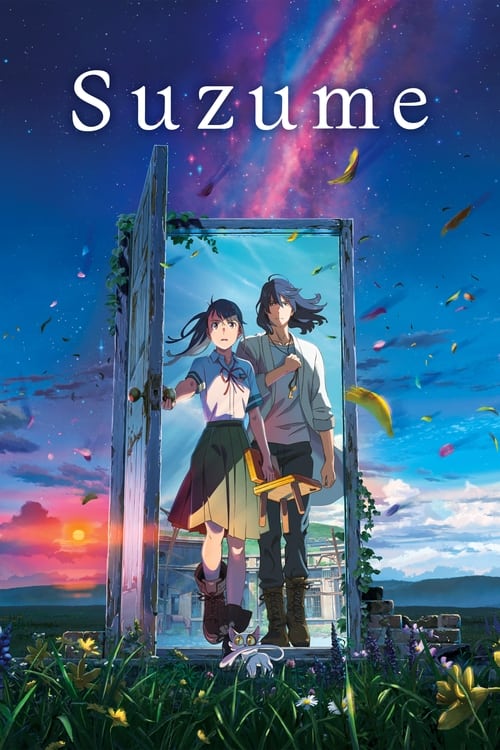
Suzume
2022
No user ratings available yet
Representation score: 6.7 out of 10

Representation Score
Fair
2011
PGDirector
Makoto Shinkai
Runtime
116 minutes
Average Rating
No ratings yetNew Showbiz Analysis
Makoto Shinkai’s fantasy adventure centers on personal emotional journeys and the sublime, rather than systemic social critiques. The narrative follows Asuna’s quest for healing and her search for the enigmatic Agartha. Though the film highlights the ability to act of female characters, it maintains a culturally homogenous Japanese setting. It fails to represent LGBTQ+ identities or characters with disabilities. Overall, the film is a character-driven exploration of loss, emphasizing individual existential truths over diverse identity politics.
Category Breakdown
The film doesn't include any explicit LGBTQ+ characters or storylines. The emotional core revolves around a traditional relationship between the main characters without any indication of non-straight or non-cisgender identities.
Female characters such as Asuna and Suzume play key roles in driving the story forward. However, the plot adheres to typical coming-of-age stories without challenging traditional gender roles.
The cast and setting are primarily Japanese, creating a culturally uniform environment. The story does not incorporate diverse casting or references to various ethnic backgrounds.
The story delves into spiritual and existential themes rather than specific religious practices. It emphasizes individual emotional growth over following societal or parental traditions.
The film does not depict any explicit physical or neurological disabilities. Instead, it focuses on the psychological impact of grief and emotional vulnerability.
Present on Screen
Limited or Absent
Official Synopsis
The film centers on Asuna, a young girl who spends her solitary days listening to the mysterious music emanating from the crystal radio she received from her late father as a memento. One day while walking home she is attacked by a fearsome monster and saved by a mysterious boy named Shun. However, Shun disappears and Asuna embarks on a journey of adventure to the land of Agartha with her teacher Mr. Morisaki to meet a Shun again. Through her journey she comes to know the cruelty and beauty of the world, as well as loss.
2022
2017
2019
1968
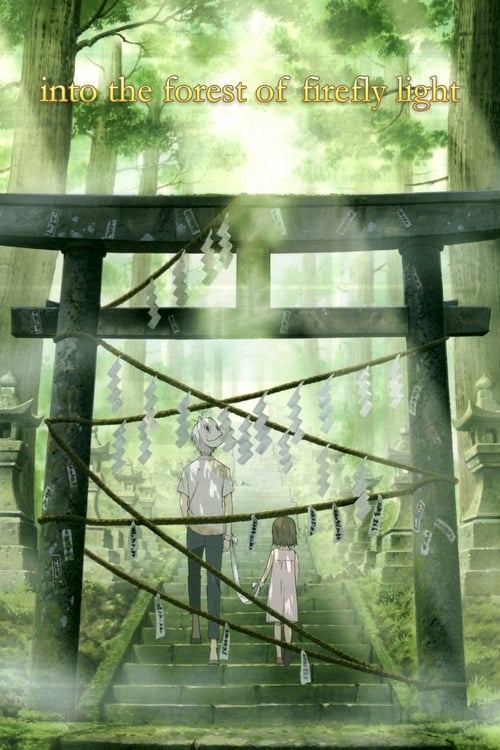
2011
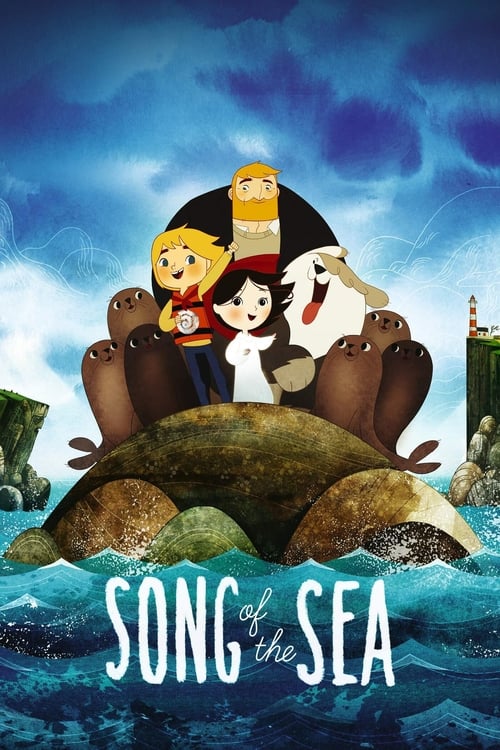
2014

2015
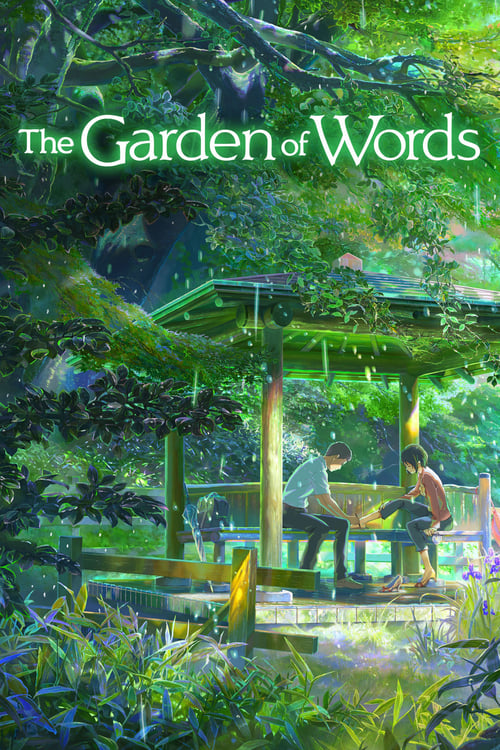
2013
No reviews yet. Be the first to share your thoughts on this movie!
Use the rating form above to leave a star rating and optional review.