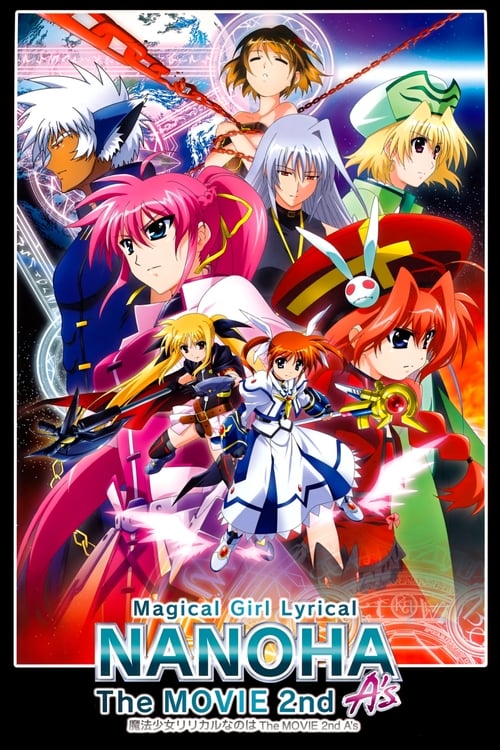
Magical Girl Lyrical Nanoha: The Movie 2nd A's
2012
No user ratings available yet
Representation score: 6.9 out of 10
Representation Score
Good
2010
Director
Keizo Kusakawa
Runtime
130 minutes
Average Rating
No ratings yetNew Showbiz Analysis
The film stands out for its strong portrayal of female characters who are active and strategic rather than passive. By focusing on women's ability to drive the story, it challenges traditional gender roles. However, the work could benefit from more diverse representation, particularly in terms of racial and ethnic backgrounds. Additionally, there is no exploration of disabilities or broader cultural perspectives.
Category Breakdown
While the film doesn't explicitly label non-straight relationships, the close bond between Nanoha and Fate suggests a potential queer interpretation due to their strong emotional connection.
The movie challenges traditional gender roles by focusing on actively leading female characters like Nanoha and Fate, who take active roles in the story. It also passes the Bechdel test through conversations about magical theory.
The cast is primarily made up of characters from a similar cultural background, reflecting the specific setting of the source material. There is no indication of intentional efforts to include diverse ethnicities.
The story centers around a techno-magical society managed by the Time-Space Administration Bureau, emphasizing institutional stability over religious or spiritual themes. The narrative avoids questioning traditional social structures.
There are no prominent portrayals of physical or neurodivergent disabilities among the main characters. The film does not reinforce harmful stereotypes or provide meaningful representation in this area.
Present on Screen
Limited or Absent
Official Synopsis
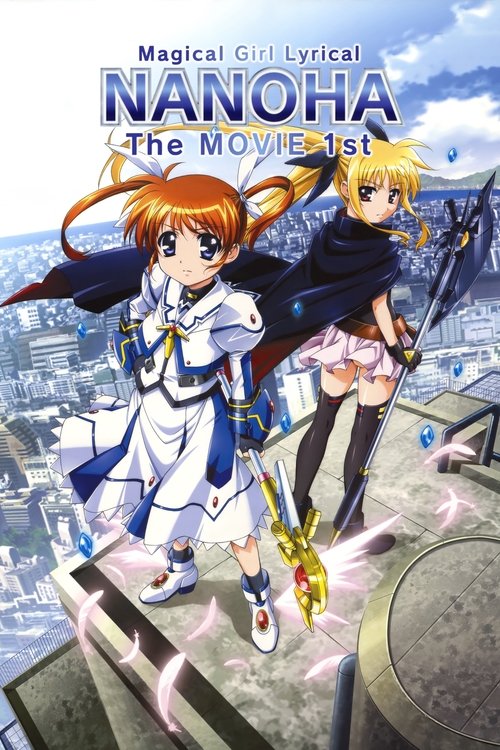
Takamachi Nanoha is a normal third-grader who feels a little useless and out-of-place with no purpose. Then one day, she saves a ferret, who turns out to be a mage from another planet who came to this planet to search for the jewel seeds. Nanoha agrees to help, but this task gets complicated when another girl arrives to steal them.
2012

2012
2017
1993
2005
2001

2006
2000
No reviews yet. Be the first to share your thoughts on this movie!
Use the rating form above to leave a star rating and optional review.