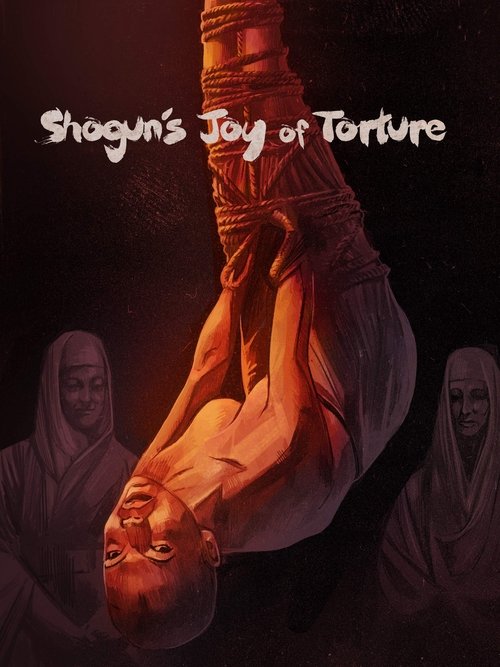
Shogun's Joy of Torture
1968
No user ratings available yet
Representation score: 5.2 out of 10
Representation Score
Good
1994
UnratedDirector
Bosco Lam Tsz-Ho
Runtime
93 minutes
Average Rating
No ratings yetNew Showbiz Analysis
The film is a dark deconstruction of historical authority, using the exploitation genre to highlight systemic cruelty. It succeeds in critiquing institutional corruption by framing the state as predatory rather than protective. However, the film remains limited by its reliance on visceral horror clichés. The lack of diverse identities and the focus on victimization over ability to act prevent a higher diversity rating. Ultimately, the work offers a culturally specific critique of power, even if it lacks modern characters who reflect more than one aspect of diversity.
Category Breakdown
The film does not include any documented LGBTQ+ characters or non-straight relationships. The narrative centers on traditional marriage dynamics and legal persecution.
A female protagonist faces severe systemic violence from a male authority figure. While the film critiques patriarchal leadership through the magistrate's depravity, the female lead has little control over her fate.
Set during the Qing Dynasty, the cast is ethnically uniform. It functions as a culturally specific narrative operating outside Western cinematic norms.
The story critiques historical Chinese legal structures as corrupt and oppressive. It portrays traditional authority as a source of trauma rather than justice.
Physical trauma and bodily injury serve as central plot devices. These depictions function as horror spectacle rather than nuanced portrayals of disability or chronic illness.
Present on Screen
Limited or Absent
Official Synopsis
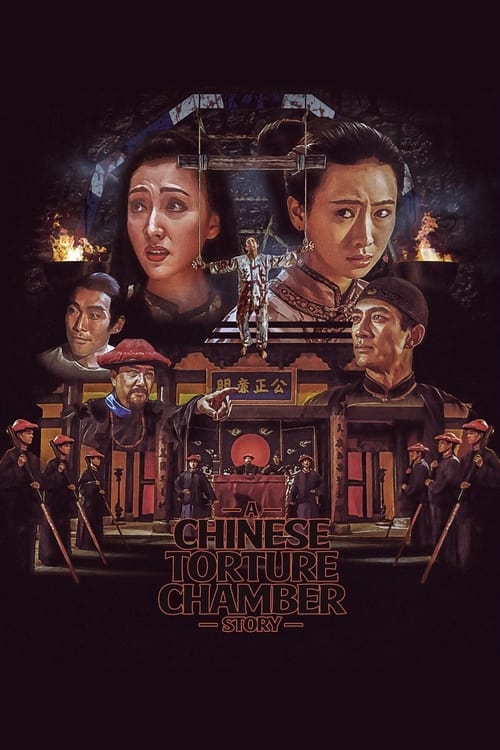
A corrupt magistrate subjects an innocent young bride to inconceivable physical punishments after convicting her of killing her husband.
1968
1968
1975

1992

1980

1996

1993

1998
No reviews yet. Be the first to share your thoughts on this movie!
Use the rating form above to leave a star rating and optional review.