
Burning Snow
1988
No user ratings available yet
Representation score: 5.8 out of 10
Representation Score
Fair
1993
Director
Billy Chung Siu-Hung
Runtime
87 minutes
Average Rating
No ratings yetNew Showbiz Analysis
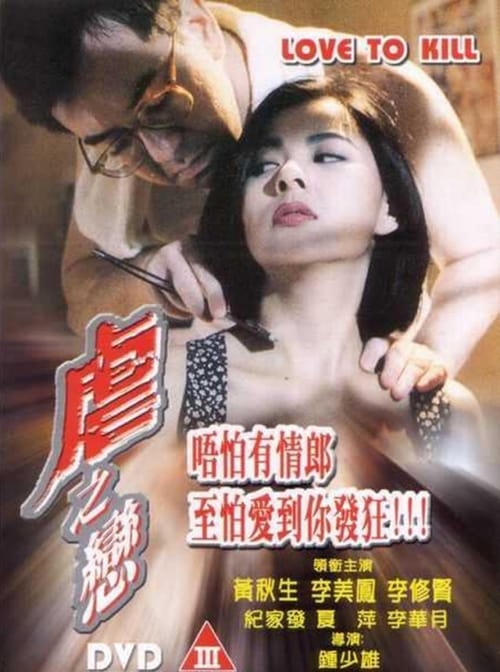
Love to Kill functions as a gritty genre piece that disrupts expectations of domestic stability. The narrative prioritizes a woman's struggle for control against a corruptive patriarchal force, challenging traditional gender hierarchies. While the film offers a non-Western perspective through its Hong Kong origins, it lacks broader characters who reflect more than one aspect of diversity. The absence of LGBTQ+ or disability representation limits its overall progressive impact. Ultimately, the film's strength lies in its deconstruction of the traditional family unit, framing it as a source of systemic violence rather than a social sanctuary.
Category Breakdown
The film does not include explicit representations of LGBTQ+ identities or characters. The story focuses on a traditional patriarchal structure centered around a domestic conflict.
The protagonist actively seeks to drive the plot by disrupting a cycle of domestic violence. This challenges the traditional submissive feminine roles and deconstructs the authority of the traditional masculine figure.
As a Hong Kong production, the film features a predominantly non-Western cast. It provides a non-Western perspective on crime and domesticity outside of Anglo-Saxon norms.
The story critiques the traditional family unit as a site of oppression rather than a sanctuary. It offers a cynical view of social stability and conventional social norms.
There is no evidence regarding the portrayal of physical or neurodivergent disabilities within the film.
Present on Screen
Limited or Absent
Official Synopsis
A woman looks to a cop for help against her abusive husband, who constantly rapes, beats, and belittles her and her son, but the husband catches wind of the cop's plan.
1988

2013
1997
2010
1993

2002

2023
1994
No reviews yet. Be the first to share your thoughts on this movie!
Use the rating form above to leave a star rating and optional review.