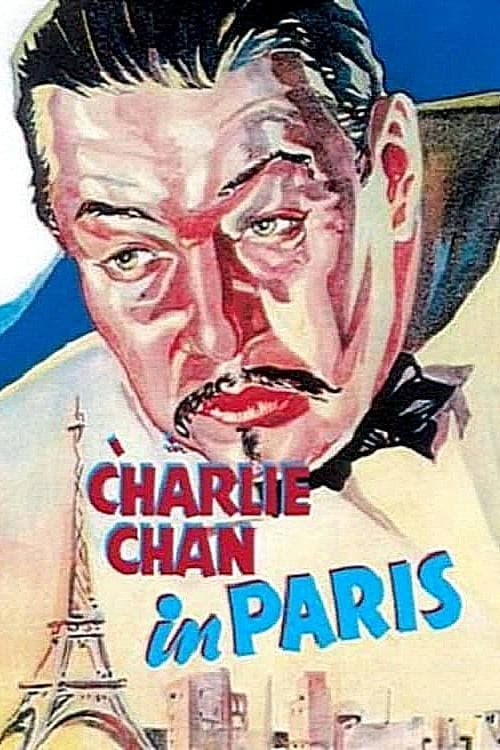
Charlie Chan in Paris
1935
No user ratings available yet
Diversity score: 2.7 out of 10
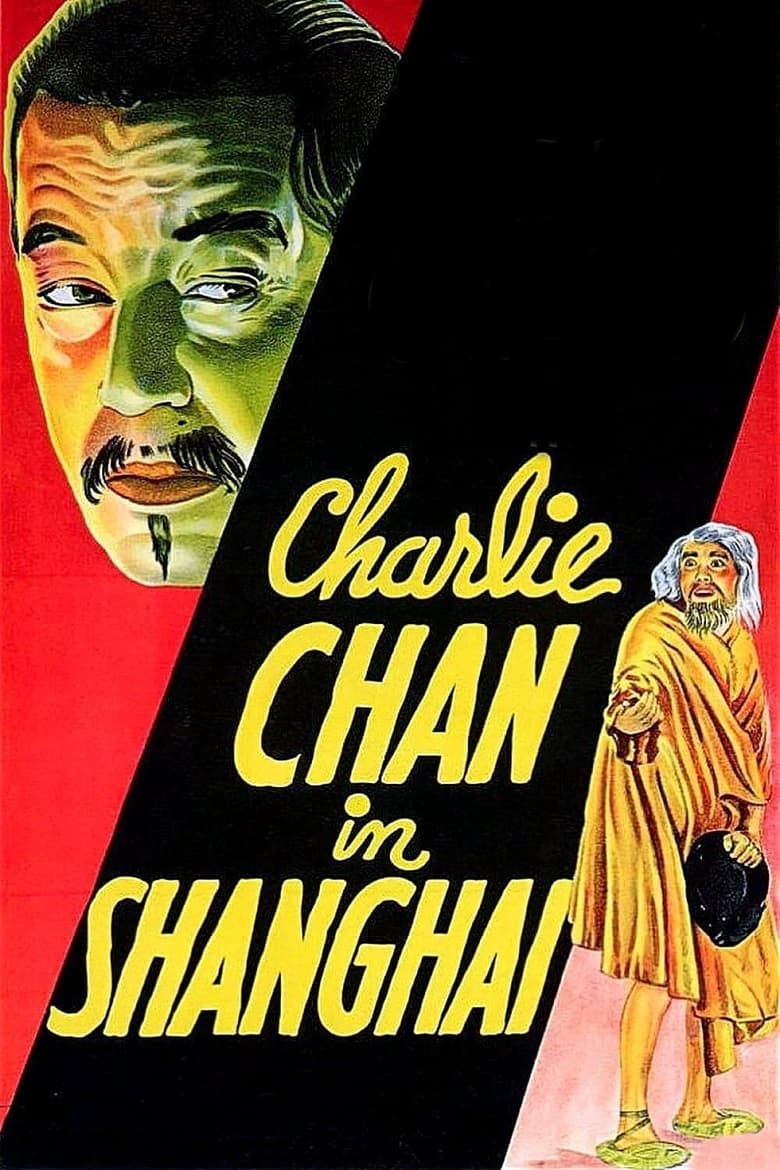
1935
NRDirector
James Tinling
Runtime
71 minutes
Average Rating
No ratings yetSynopsis
When a prominent official is murdered at a banquet honoring Charle Chan, the detective and son Lee team up to expose an opium-smuggling ring.
Overall Score
Minimal
Category Breakdown
LGBTQ+ Representation
The film contains no visible LGBTQ+ characters or explorations of non-heteronormative identities. It adheres strictly to the social and domestic structures of the 1930s.
Gender Representation
Female characters function primarily as secondary figures or narrative catalysts. The intellectual and investigative labor is concentrated in the male protagonists, maintaining a conventional patriarchal structure.
Racial & Ethnic Diversity
The production features significant issues with racial authenticity. Casting a white actor of Swedish descent as the Chinese detective constitutes whitewashing, while characterization relies on Orientalist linguistic mannerisms.
Religious & Cultural Diversity
The depiction of Shanghai is filtered through a Westernized lens of exoticism. The film lacks insight into the actual cultural or social complexities of the setting.
Disability Representation
There is no discernible representation of physical or neurodivergent disabilities within the narrative context.
Strengths
Areas for Improvement
AI Analysis
Charlie Chan in Shanghai is a product of its era, relying heavily on period tropes that prioritize Western perspectives on Eastern identity. The film functions as a baseline for non-intersectional storytelling, utilizing marginalized identities as stylized tropes rather than complex characters. The production is defined by its reliance on racial caricature and the reinforcement of historical hierarchies. This is most evident in the casting choices and the use of 'othering' to frame the setting. Ultimately, the film serves as a historical artifact of early 20th-century cinematic construction, reflecting the specific racial and cultural archetypes of the 1930s.
1935
1936
1941
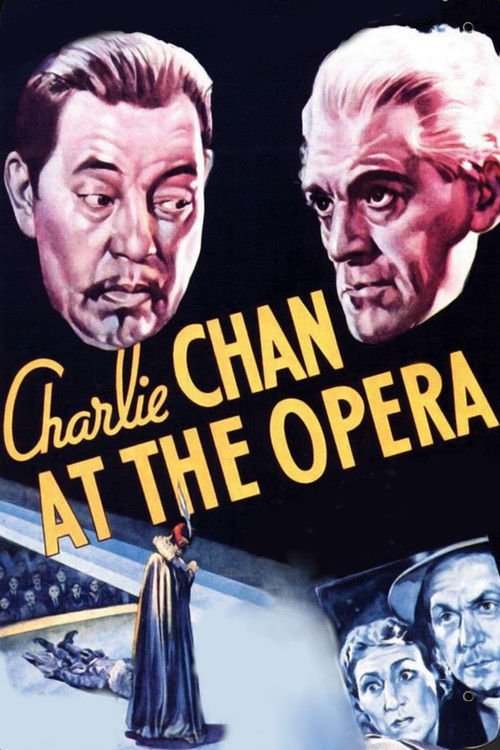
1936
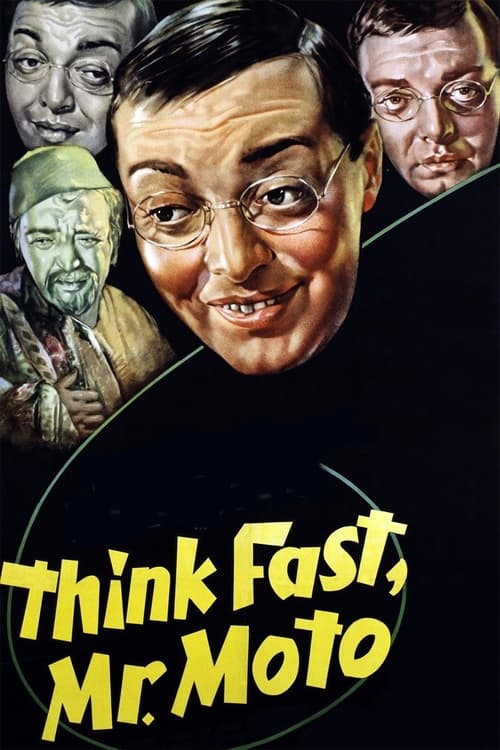
1937
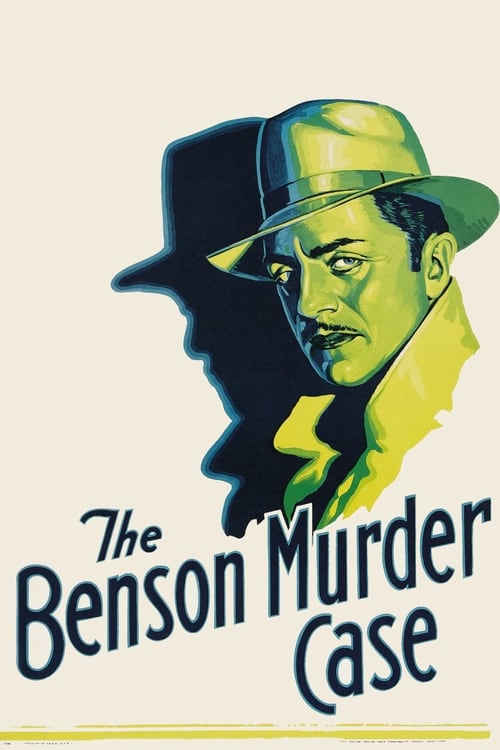
1930

1957
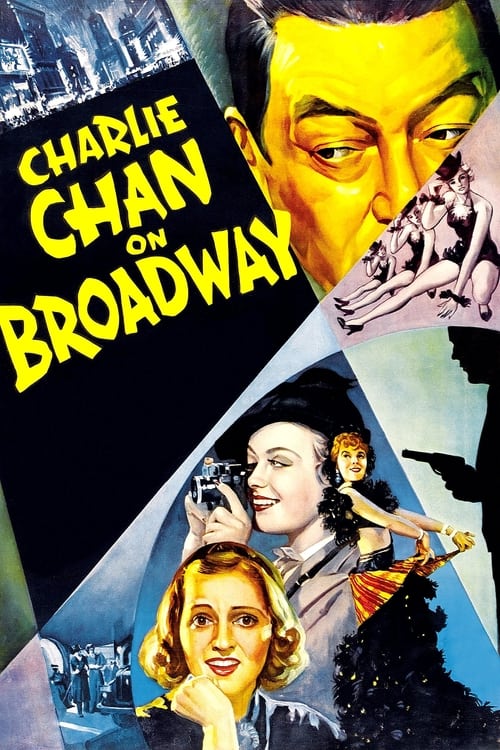
1937
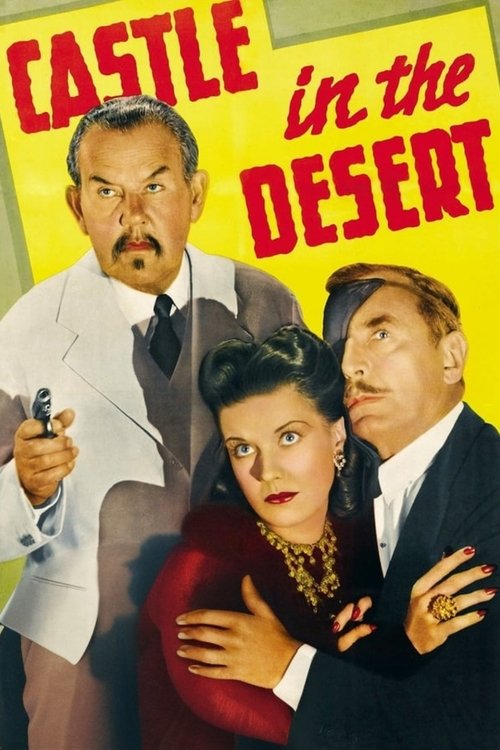
1942
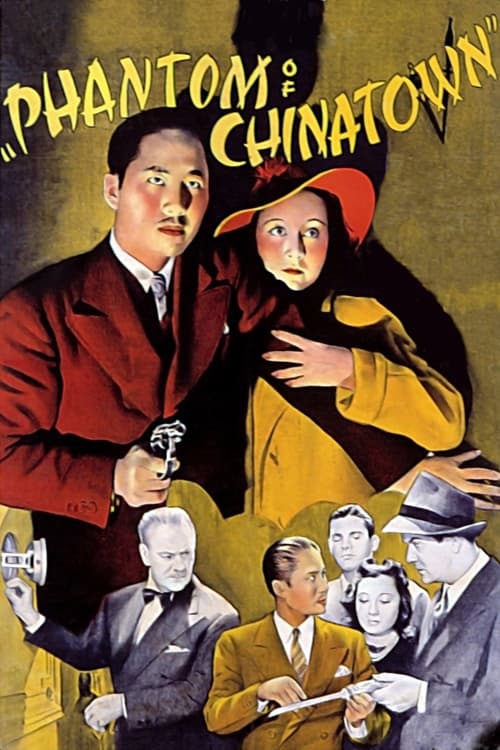
1940

1939
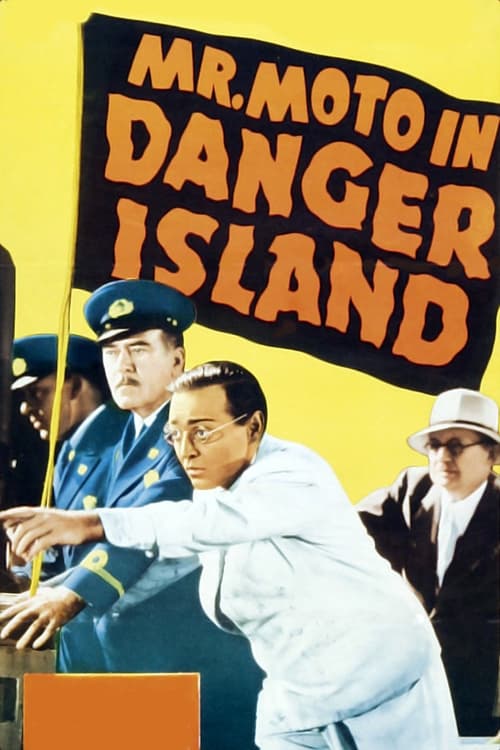
1939
No reviews yet. Be the first to share your thoughts on this movie!
Use the rating form above to leave a star rating and optional review.