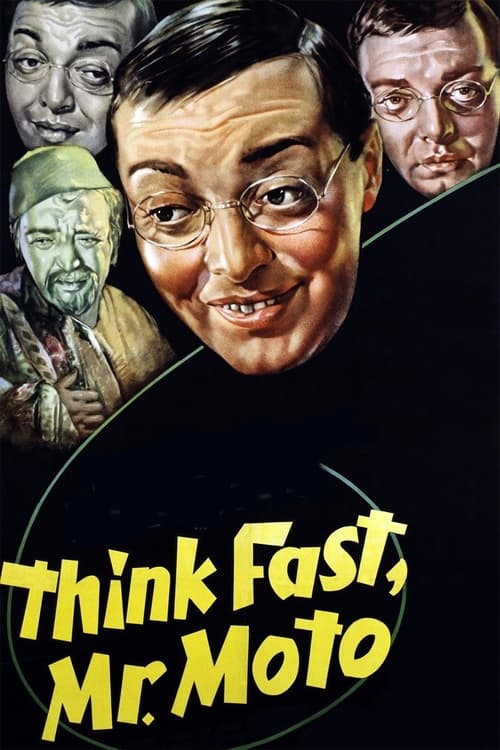
Think Fast, Mr. Moto
1937
No user ratings available yet
Representation score: 0.5 out of 10
Representation Score
Minimal
1939
NRDirector
Herbert I. Leeds
Runtime
64 minutes
Average Rating
No ratings yetNew Showbiz Analysis
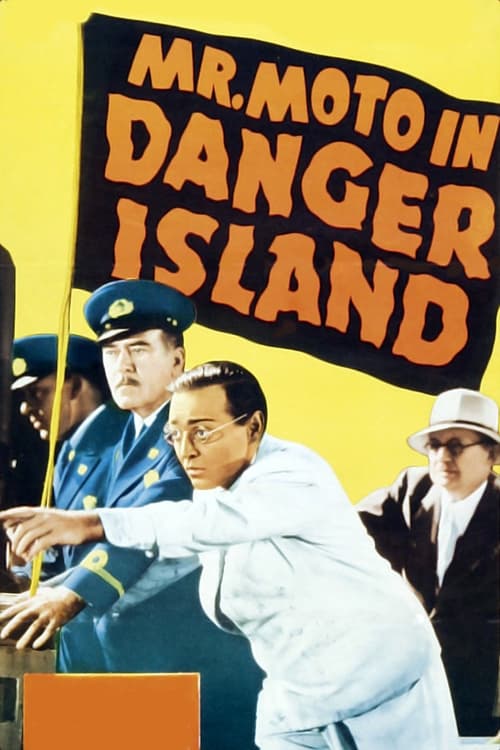
Mr. Moto in Danger Island is a typical adventure film from the 1930s, emphasizing genre conventions over social complexity. The film reinforces mid-century social hierarchies through its character types and narrative structure. The production relies on Westernized interpretations of identity, particularly through the miscasting of a non-Japanese actor in the lead role. Despite the protagonist's background, the film fails to provide authentic ethnic representation. Overall, the film serves as a historical artifact that upholds the status quo. It offers a narrow perspective on gender, race, and authority typical of 1930s cinema.
Category Breakdown
The film does not feature any LGBTQ+ characters or narratives. Traditional romantic and gendered roles dominate the social dynamics.
Women play minor roles in the story, often appearing as damsels in distress. The narrative lacks strong female influence or challenges to male-dominated leadership.
The film casts a Hungarian-born actor in the role of a Japanese character, using race-bent casting. The Puerto Rican setting serves as an adventure backdrop without highlighting local ethnic representation.
The film adheres to traditional Western structures of law enforcement and investigation. Colonial-era adventure clichés are used without challenging established institutions.
No visible or invisible disabilities are shown in the film. There are no characters whose stories revolve around physical impairments or neurodivergence.
Present on Screen
Limited or Absent
Official Synopsis
In Puerto Rico to investigate a glut of contraband diamonds that are flooding the world's jewel market, Mr. Moto and his sidekick, a wrestler, find themselves involved in murders by thrown daggers, the frame-up of an overstressed Army colonel, and a pirate gang led by an unknown boss who has inside knowledge of the ensuing investigation.
1937

1939
1938
1938

1938
1940

1938

1942
No reviews yet. Be the first to share your thoughts on this movie!
Use the rating form above to leave a star rating and optional review.