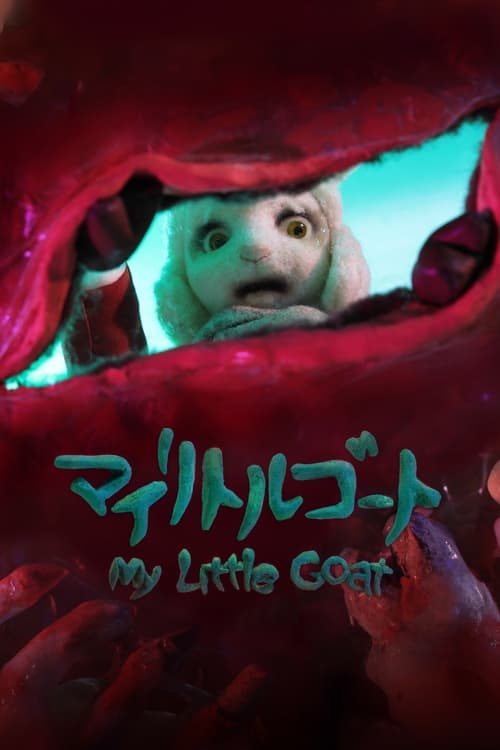
My Little Goat
2018
No user ratings available yet
Representation score: 2.6 out of 10
Representation Score
Limited
1991
Director
Tadanari Okamoto
Runtime
19 minutes
Average Rating
No ratings yetNew Showbiz Analysis
The film operates as a philosophical fable rather than a social drama. Its primary impact stems from its surrealist critique of power and entitlement, rather than explicit identity-based representation. While the narrative structure successfully dismantles traditional hierarchies, it lacks markers reflecting multiple aspects of identity. The focus remains on the psychological and existential themes of the hunter-prey relationship. Ultimately, the work offers a sophisticated critique of social roles, though it remains narrow in its demographic scope.
Category Breakdown
The film does not include any LGBTQ+ characters or narratives. The story revolves around a fable-like interaction between hunters and a surreal setting.
The main roles are played by two male British hunters. While the film challenges traditional masculinity by making predators vulnerable, it does not explicitly address gender hierarchies.
The story involves a cross-cultural encounter between British characters and a Japanese-authored framework. It disrupts Western-centric perspectives by placing Western protagonists in a state of profound disorientation.
The film effectively deconstructs traditional power dynamics and colonial symbols. It uses a surrealist landscape to challenge the morality of the strong over the weak through non-linear justice.
There is no visible or documented evidence regarding the portrayal of physical or neurodivergent disabilities within the narrative.
Present on Screen
Limited or Absent
Official Synopsis
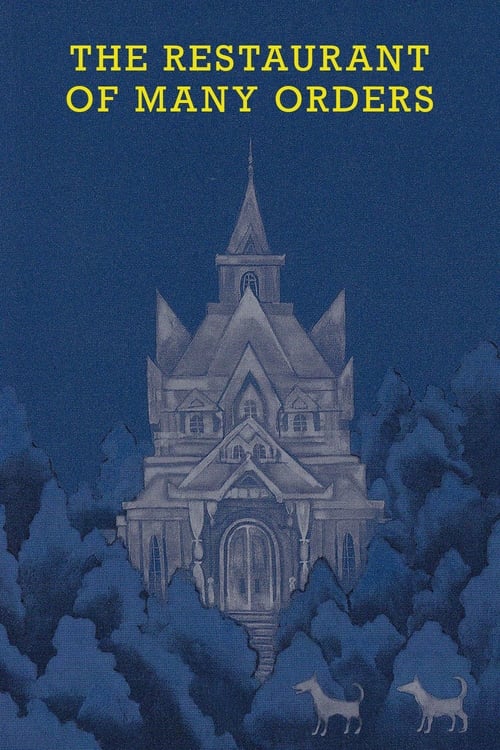
A short film based on a story by Japanese writer Kenji Miyazawa in which two young British hunters get lost in the woods and discover a strange restaurant. Are the hunters about to discover how it feels to be hunted?
2018

1985
1976
2007
1986
1988
1972
1991
No reviews yet. Be the first to share your thoughts on this movie!
Use the rating form above to leave a star rating and optional review.