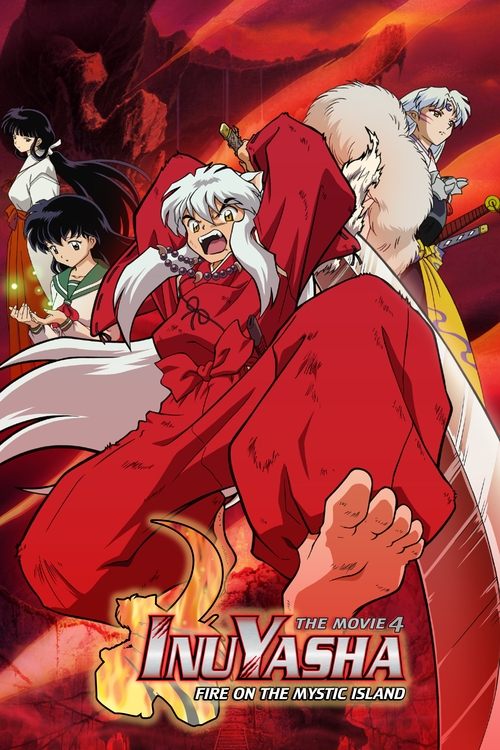
Inuyasha the Movie 4: Fire on the Mystic Island
2004
No user ratings available yet
Representation score: 5.8 out of 10
Representation Score
Excellent
1999
Not RatedDirector
Morio Asaka
Runtime
81 minutes
Average Rating
No ratings yetNew Showbiz Analysis
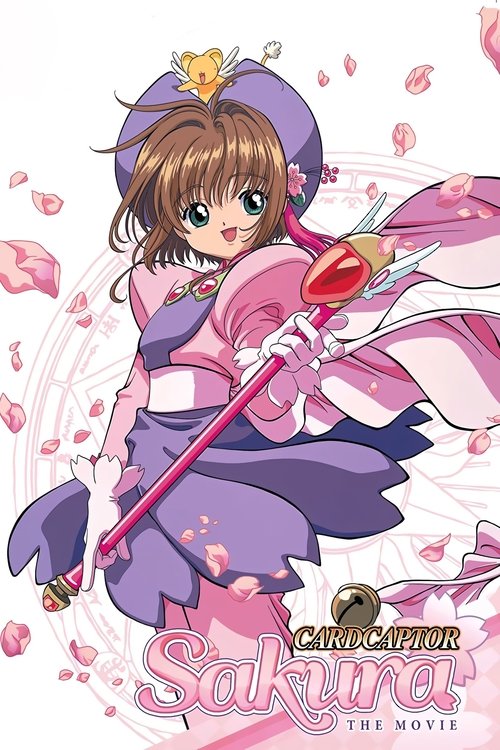
Cardcaptor Sakura: The Movie excels by integrating progressive social dynamics into a magical girl framework. Its most significant achievement is the normalized depiction of queer identity, which avoids the typical narrative friction associated with coming-out stories. The film also provides strong women's ability to drive the story, positioning Sakura as a capable leader rather than a submissive archetype. This creates a social structure that feels balanced and emotionally intelligent. However, the film remains limited by its cultural homogeneity and a lack of representation regarding disability. While it avoids harmful clichés, it does not actively expand its cast to include diverse physical or neurodivergent perspectives.
Category Breakdown
The film portrays the relationship between Yukito and Touya as stable and normal. It avoids common clichés of tragedy or social struggle, integrating same-sex attraction seamlessly into the narrative.
Sakura Kinomoto is a proactive agent rather than a passive protagonist. The film features equal peer dynamics and female characters who engage in meaningful conversations about their own roles.
The production operates within a relatively homogeneous Japanese cultural context. While the cast lacks multi-ethnic representation, the film avoids harmful racial stereotypes and focuses on universal emotional themes.
The story prioritizes personal emotional growth over organized religious doctrine. The magical mechanics function as a psychological exploration of the subconscious rather than an enforcement of institutional morality.
Characters are portrayed with standard physical and neurotypical abilities. There is no significant evidence of visible or invisible disabilities being central to the plot or character arcs.
Present on Screen
Limited or Absent
Official Synopsis
Sakura Kinomoto, a Card Captor, wins a game of chance and is awarded a trip to Hong Kong, along with her best friend Tomoyo and her rival, Syaoran Li. It turns out that the ancient rival of Clow Reed, the creator of the mysterious and powerful Clow Cards, summoned them, and she's out for revenge. A battle ensues, and secrets are revealed about Clow Reed's shady past and Sakura's connection to him.
2004
2001
2000

2012

2004

1999
2013
2003
No reviews yet. Be the first to share your thoughts on this movie!
Use the rating form above to leave a star rating and optional review.