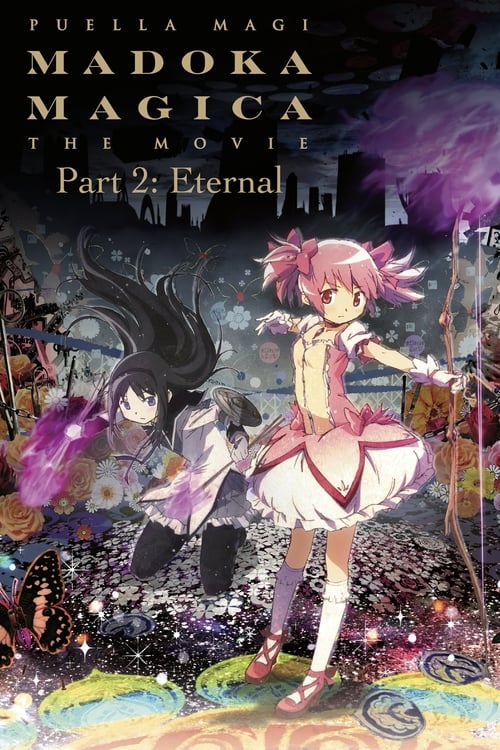
Puella Magi Madoka Magica the Movie Part II: Eternal
2012
No user ratings available yet
Representation score: 8.0 out of 10
Representation Score
Good
2012
Not RatedDirector
Yukihiro Miyamoto
Runtime
131 minutes
Average Rating
No ratings yetNew Showbiz Analysis
The film stands out by breaking down genre clichés to offer deep psychological complexity. It replaces the usual magical girl optimism with a dark exploration of control and systemic exploitation, especially through its female characters. While the narrative provides a strong critique of predatory and utilitarian systems, it remains culturally homogeneous. The lack of racial or ethnic diversity restricts its broader representational scope. Overall, the work emphasizes the overlapping layers of psychological depth over traditional social norms, making it a profound study of trauma and autonomy within a collapsing reality.
Category Breakdown
The film focuses on intense emotional connections that challenge typical romantic relationships. Homura Akemi's dedication to Madoka Kaname upends traditional assumptions about relationships, providing a nuanced look at intimacy.
The predominantly female cast takes a leading role in driving the story, challenging the usual 'Magical Girl' genre clichés. They face profound trauma and systemic exploitation rather than following submissive feminine stereotypes.
The story is set in a culturally specific, homogeneous Japanese environment. There are no deliberate attempts to include multi-ethnic representation or actors from diverse backgrounds.
The story critiques utilitarianism through the character Kyubey, who preys on others. It questions traditional ideas of heroism by mixing hope with systemic destruction.
Physical disabilities are not present, but the film explores invisible neurological differences and mental health issues. Characters deal with psychological trauma and dissociation as key parts of their identities.
Present on Screen
Limited or Absent
Official Synopsis
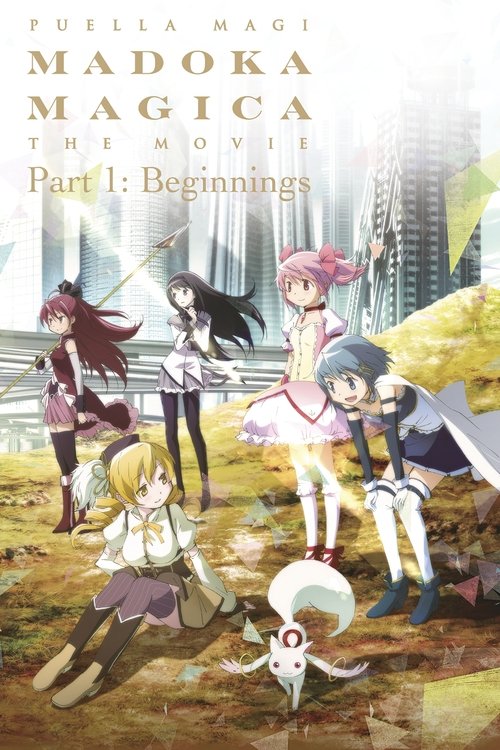
Madoka Kaname, an ordinary middle-schooler, along with her best friend Sayaka Miki, are offered the chance to have any wish they want granted by the mysterious Kyubey, and become magical girls and fight witches. However, fellow magical girl Homura Akemi seems intent on stopping Madoka from becoming a magical girl at any cost. Puella Magi Madoka Magica the Movie Part I: Beginnings is a retelling of the first half of the TV anime series.
2012
2013

2026
2012
2015
2026
2010
1999
No reviews yet. Be the first to share your thoughts on this movie!
Use the rating form above to leave a star rating and optional review.