
Dear Ms.: A Revolution in Print
2025
No user ratings available yet
Representation score: 7.2 out of 10
Representation Score
Good
2020
TV-14Director
Sandra Rattley, Charlotte Mangin
Runtime
52 minutes
Average Rating
No ratings yetNew Showbiz Analysis
Unladylike is a powerful corrective to mainstream historical canons. By centering five diverse pioneers, the film disrupts monolithic definitions of womanhood and replaces them with a multifaceted view of ability to act and systemic resistance. The documentary's strength lies in its multi-layered approach, moving beyond a singular Western-centric perspective to include voices from Indigenous, Latina, and Civil Rights backgrounds, effectively repositioning underrepresented figures to the center of the historical record. While the film excels in gender and racial representation, it remains limited in its explicit exploration of LGBTQ+ identities and disability.
Category Breakdown
The film focuses on women who operate outside traditional domestic roles, challenging assumptions that everyone is straight or cisgender. However, it does not explicitly depict specific LGBTQ+ identities.
This documentary centers female intellect and political leadership, portraying women as the primary architects of cultural change rather than passive historical subjects.
The film provides a highly multi-layered view by including Indigenous, Civil Rights, and Tejano perspectives, avoiding a homogeneous, Anglo-centric historical narrative.
The narrative adopts a critical view of traditional Western institutions, emphasizing the struggle against oppressive social orders and the dismantling of established status quos.
There is no specific evidence regarding the portrayal of physical or neurodivergent disabilities within the film.
Present on Screen
Limited or Absent
Official Synopsis
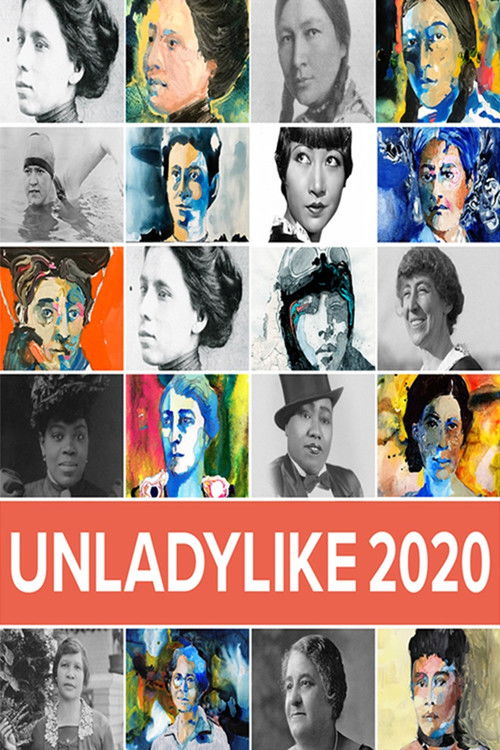
Upending expectations and challenging the definition of womanhood, these “first women” found themselves at the forefront of progressive movements, organizing campaigns and leading paths to cultural change. Female historians share the names and stories of five of these pioneers: Martha Hughes Cannon, Jovita Idár, Jeannette Rankin, Mary Church Terrell and Zitkála-Šá.
2025

2017
2004

2018
2014
2016
2020
2020
No reviews yet. Be the first to share your thoughts on this movie!
Use the rating form above to leave a star rating and optional review.