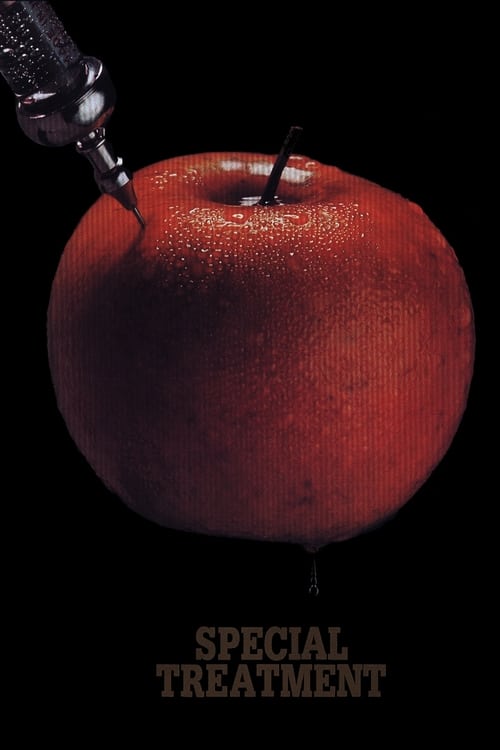
Special Treatment
1980
No user ratings available yet
Representation score: 6.5 out of 10
Representation Score
Good
1962
Director
Vojislav 'Kokan' Rakonjac, Živojin Pavlović, Marko Babac
Runtime
81 minutes
Average Rating
No ratings yetNew Showbiz Analysis
This Yugoslavian omnibus film breaks mid-century cinematic conventions by emphasizing raw, observational realism over polished, heroic storytelling. Its strength lies in its focus on flawed humanity and psychological depth, moving away from simplistic moralism. The film excels in exploring psychological depth and systemic trauma. By focusing on mental health and the breakdown of domestic stability, it avoids idealized archetypes or patriotic ideals. However, the film lacks visible diversity in terms of LGBTQ+ identities and racial backgrounds.
Category Breakdown
The film does not explicitly show non-straight relationships or intimate moments between people of the same sex. The story focuses on traditional but troubled personal relationships.
The segments challenge traditional gender roles by showing the breakdown of relationships. By focusing on an alcoholic's failing partnership, the film avoids clichéd views of stable, idealized female domestic life.
Set in a Yugoslavian context, the film emphasizes gritty, localized realism rather than polished, idealized depictions of national identity. It prioritizes authenticity over idealization.
The work embraces moral relativism and deconstructs traditional institutions. It prioritizes secular, humanist critiques of social dysfunction and the subjective truth of the individual over religious morality.
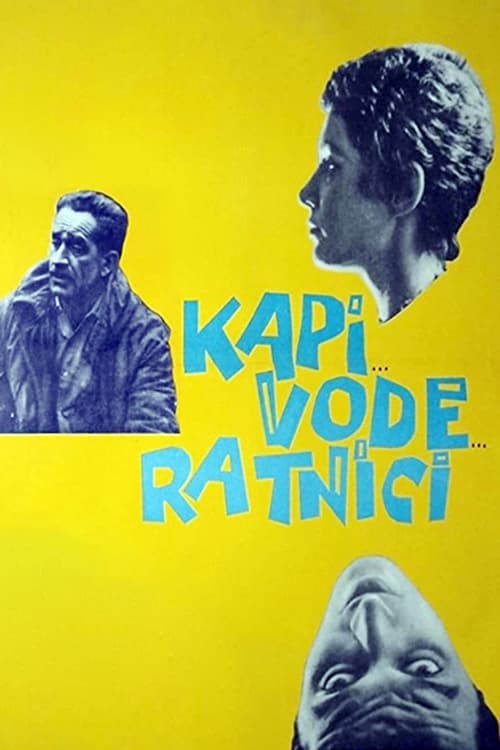
The segment 'Warriors' explores the psychological states of hospital patients. This approach highlights the real-life experiences of those dealing with mental health challenges.
Present on Screen
Limited or Absent
Official Synopsis
A three-part omnibus consisting of Kino Klub amateurs' work: Zivojin Pavlovic's dialogue-free "Live Waters" set in 1943, Marko Babac's "Warriors" about psychological look at the two patients in a hospital room, as well as Kokan Rakonjac's "Raindrops" about alcoholic's decaying relationship with his girlfriend.
1980

1964
1963
1967
1958
1980
1970
1957
No reviews yet. Be the first to share your thoughts on this movie!
Use the rating form above to leave a star rating and optional review.