Distinctly Me
1969
No user ratings available yet
Representation score: 2.4 out of 10
Representation Score
Good
1963
Director
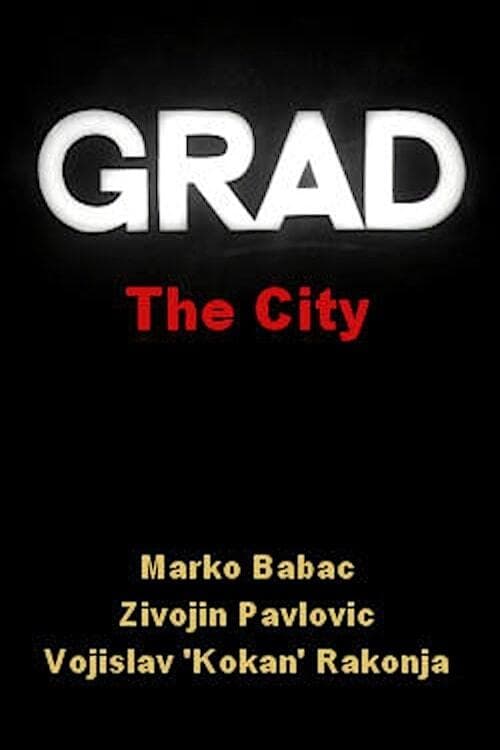
Živojin Pavlović, Vojislav 'Kokan' Rakonjac, Marko Babac
Runtime
80 minutes
Average Rating
No ratings yetNew Showbiz Analysis
The film's strength lies in its commitment to the Yugoslav Black Wave movement, which rejects idealized social realism. By focusing on the psychological toll of urban life and systemic decay, the film offers a gritty, naturalist critique of society rather than state-sanctioned optimism. However, the film lacks specific, verifiable data regarding individual character identities. While the thematic intent challenges traditional depictions, the absence of clear representation for LGBTQ+ identities and specific disabilities limits the overall score. Ultimately, the work functions as a study of alienation. It succeeds in deconstructing social harmony through its focus on melancholy, even if specific demographic representation remains unconfirmed.
Category Breakdown
The film focuses on urban alienation and melancholy. There is no explicit evidence of specific LGBTQ+ identities or narratives that challenge traditional assumptions about sexuality and gender.
The three stories explore interpersonal dynamics and emotional vulnerability. Characters often appear as victims of an indifferent metropolitan environment, though specific gendered experiences are not detailed.
Set in a 1960s Yugoslavian landscape, the film likely reflects a multi-ethnic reality. The directors typically favor authentic social realism over idealized, homogeneous casting.
The narrative prioritizes subjective emotional states over traditional communalist or patriotic ideals. This focus on individual struggle against urban systems aligns with a progressive critique of societal structures.
Themes of depression and melancholy touch upon mental health. However, it is unclear if neurodivergence or specific disabilities are portrayed with ability to act or as plot devices.
Present on Screen
Limited or Absent
Official Synopsis
Three stories (Love, Heart, The Hoop) set in the urban, alienated world of a big city. It tells how thin is the line between melancholy and depression.
1969

1995
1962
1962
1973
1957
1980
1994
No reviews yet. Be the first to share your thoughts on this movie!
Use the rating form above to leave a star rating and optional review.