Mujeres infieles 2
2003
No user ratings available yet
Representation score: 4.0 out of 10
Representation Score
Good
1970
TV-PGDirector
José María Fernández Unsáin, Rafael Portillo
Average Rating
No ratings yetNew Showbiz Analysis
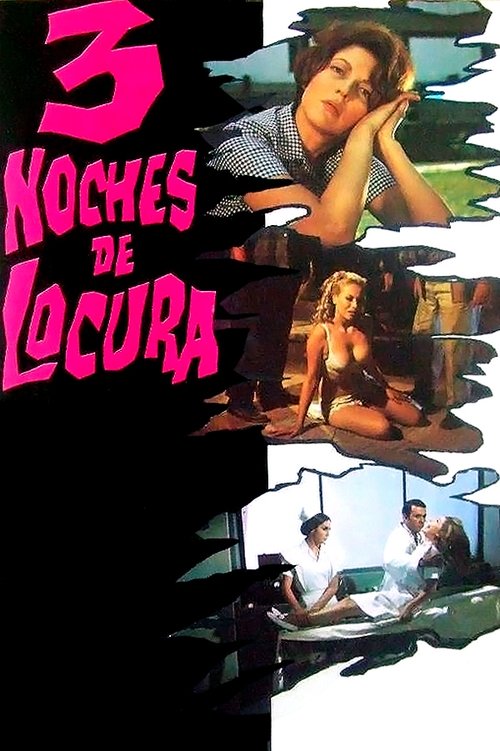
Tres noches de locura is a character-driven anthology that prioritizes female interiority. By centering the psychological fractures of three women, the film moves away from male-centric dramatic clichés common in 1970s cinema. The work succeeds in exploring mental health and the social pressures that trigger psychological breaks. However, it lacks depth in terms of racial or LGBTQ+ representation. Ultimately, the film serves as a study of female vulnerability and the deconstruction of social norms, even if it remains within the demographic confines of its era.
Category Breakdown
The anthology focuses on female psychological experiences but does not include any visible LGBTQ+ identities or queer subtext.
The film centers on women's mental states, highlighting their internal complexity and challenging traditional hierarchies that often sideline women.
Reflecting the demographic homogeneity of 1970s Spain, the casting likely follows traditional regional patterns without specific indications of diverse representation.
The narrative explores the deconstruction of sanity as a social construct, critiquing the pressures of traditional societal structures through characters who deviate from norms.
The film engages with neurodivergence through characters experiencing psychological 'snapping.' These states drive the drama, exploring the nuances of mental instability.
Present on Screen
Limited or Absent
Official Synopsis
Anthology movie, episodes about three women who undergo stressful experiences that cause their minds to snap.
2003
1976
1970
1980
1982
1972

2020
1981
No reviews yet. Be the first to share your thoughts on this movie!
Use the rating form above to leave a star rating and optional review.