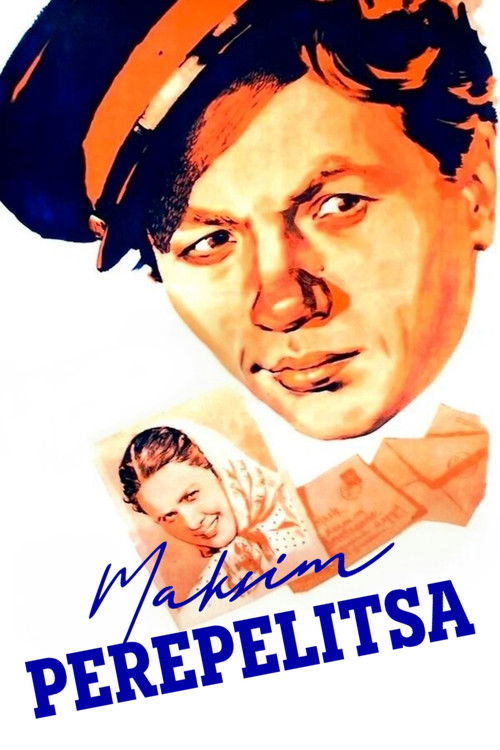
Maksim Perepelitsa
1955
No user ratings available yet
Representation score: 1.8 out of 10
Representation Score
Fair
1983
Director
Sergey Ovcharov
Runtime
72 minutes
Average Rating
No ratings yetNew Showbiz Analysis
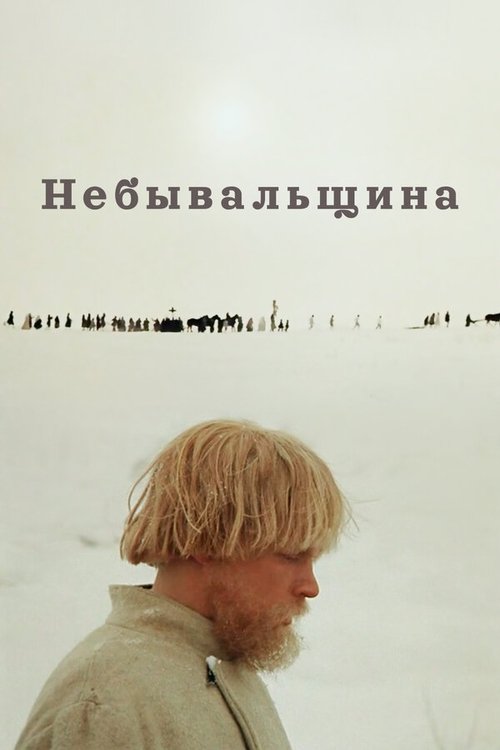
Believe It or Not is a traditionalist folk comedy that finds its strength in the subversion of formal narrative structures. By using Russian legends and oral traditions, it creates a world built on absurdity and mischief rather than rigid, institutionalized reality. However, the film lacks complexity in terms of social representation. The character dynamics are heavily male-dominated, focusing on archetypal figures like the soldier and the inventor, which limits the breadth of its social portrayal. Ultimately, the work functions as a celebration of regional folklore. While it succeeds in disrupting formal storytelling through its use of songs and jokes, it does not engage with modern identity politics or diverse social hierarchies.
Category Breakdown
The film does not include any explicit representation of LGBTQ+ identities or non-cisgender characters. It focuses on traditional comedic roles rather than exploring queer identity politics.
The story is driven by a male-centric trio of characters: an inept individual, an eccentric inventor, and a soldier. While slapstick humor may challenge typical masculine competence, there are no female characters that significantly influence the plot.
The casting likely reflects a homogeneous ethnic profile consistent with its Russian folklore roots. It serves as a vessel for regional folk identity rather than a multi-ethnic or color-blind production.
The film celebrates social non-conformity by prioritizing folklore, ditties, and aphorisms over linear storytelling. This approach disrupts formal authority through a subjective, folk-centric morality.
There is no mention of characters with visible or invisible disabilities in the narrative. Consequently, no representation of disability is present.
Present on Screen
Limited or Absent
Official Synopsis
Musical comedy based on the story of V.Shishkov "Divers", as well as Russian legends, songs, fairy tales and ditties. A scattering of mischievous jokes, short scenes, aphorisms, silly songs, jokes, ditties, jokes - this is the wealth of funny folklore and became the basis of the film, united by three main characters: a nedotep, an eccentric village inventor Bobyl and a brave Soldier.
1955
1965

1975
1962
1988
2011
1969

2019
No reviews yet. Be the first to share your thoughts on this movie!
Use the rating form above to leave a star rating and optional review.