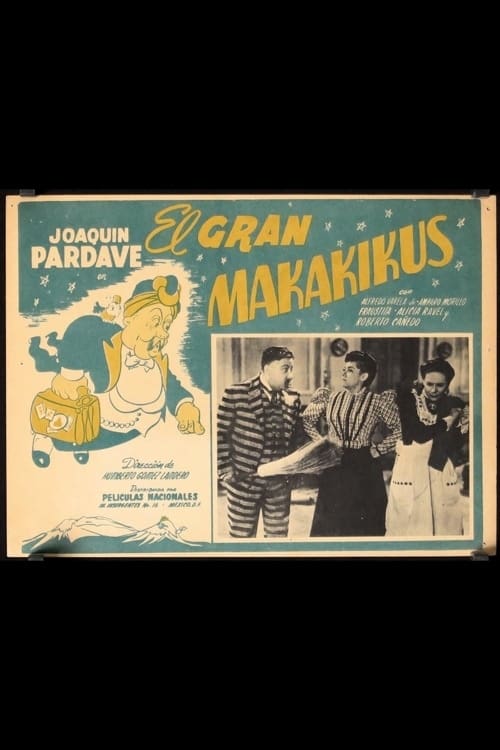
El Gran Makakikus
1944
No user ratings available yet
Representation score: 2.9 out of 10
Representation Score
Limited
1942
Director
Rolando Aguilar
Runtime
97 minutes
Average Rating
No ratings yetNew Showbiz Analysis
This 1942 Mexican drama operates within the traditional studio system of its time. It relies on established social hierarchies and conventional narrative structures common to the era. The film centers on themes of beauty and romantic validation, reinforcing traditional gender roles and social norms rather than challenging them. While the cast provides ethnic representation, the film lacks multi-layered depth or progressive representation in terms of disability or identity.
Category Breakdown
The film does not include non-cisgender identities or same-sex relationships. It focuses on romantic ideals typical of the 1940s, reinforcing heterosexual norms.
Prominent female actors are featured, but the story follows traditional gender roles and hierarchies. The focus is on conventional domestic or romantic scenarios.
The cast includes non-Anglo-Saxon actors, challenging Hollywood's Anglo-centric norms. However, the characters focus on social status within their community rather than disrupting racial hierarchies.
The story aligns with traditional social values and morality of the time. It emphasizes social integration and conventional romantic structures.
The plot mentions physical appearance but does not feature narratives of disability or neurodivergence. There is no evidence of disability being used as a source of empowerment.
Present on Screen
Limited or Absent
Official Synopsis
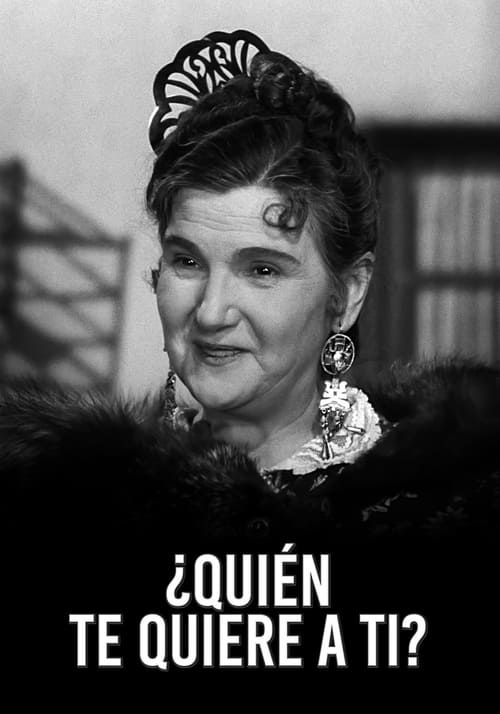
Neither he nor she are very handsome, not to say ugly, and how they would like to be good looking to give and receive compliments, and that someone loves them.
1944
1949
1966

1962
1941
1940
1948
1947
No reviews yet. Be the first to share your thoughts on this movie!
Use the rating form above to leave a star rating and optional review.