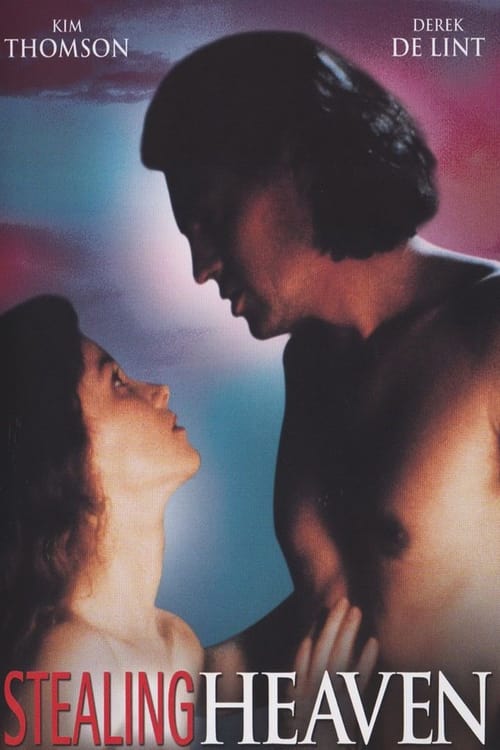
Stealing Heaven
1988
No user ratings available yet
Representation score: 3.7 out of 10
Representation Score
Minimal
1941
Director
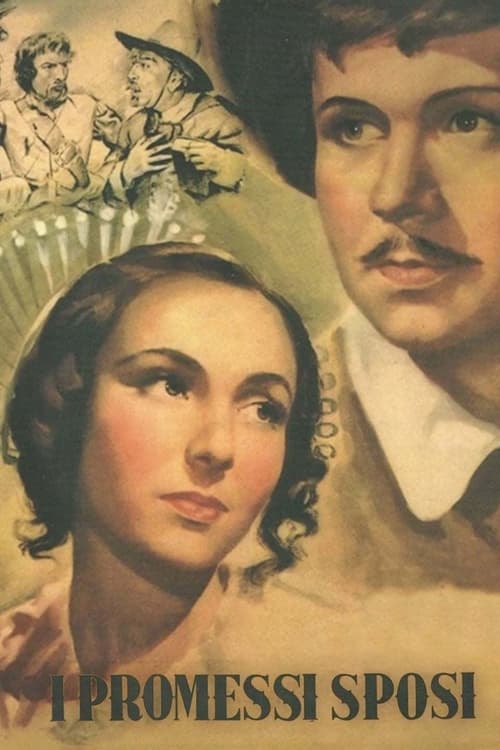
Mario Camerini
Runtime
112 minutes
Average Rating
No ratings yetNew Showbiz Analysis
Mario Camerini’s period drama reflects the norms of its time, focusing on a classic romantic struggle while upholding traditional social structures. The film adheres closely to the institutional frameworks of 17th-century Italy and the cinematic standards of 1941. The narrative emphasizes traditional hierarchies without challenging them. While it highlights individual corruption within the nobility and the Church, it does so within the existing religious and class-based systems. Overall, the film lacks complexity in representing diverse identities. It presents a world defined by heterosexual romance and a homogeneous ethnic cast, serving as a historical snapshot of established cultural norms.
Category Breakdown
The film portrays a typical romantic relationship between Renzo and Lucia. There are no indications of LGBTQ themes or non-cisgender identities in the story.
Lucia serves as the emotional center, yet her ability to act is heavily constrained by male figures. The story reinforces conventional gender roles where women are subjects of male desire.
The cast and setting are predominantly white, reflecting a localized European perspective consistent with the film's 17th-century Italian setting and 1940s production.
The story is deeply rooted in traditional Western institutions such as the Church and rigid social classes. It operates within established religious and social norms.
There is no information available regarding the depiction of physical or neurodivergent disabilities in this work.
Present on Screen
Limited or Absent
Official Synopsis
Renzo and Lucia's love story is jeopardized by Don Rodrigo, a wicked nobleman, who is interested in Lucia. When she refuses his attentions he has her kidnapped and brought to a convent whose prioress is a nun as wicked as he is. The two youths will have to go through a lot of misfortunes before being reunited and being able to marry.
1988

1967
1941

1954

1935

1939

1922

1991
No reviews yet. Be the first to share your thoughts on this movie!
Use the rating form above to leave a star rating and optional review.