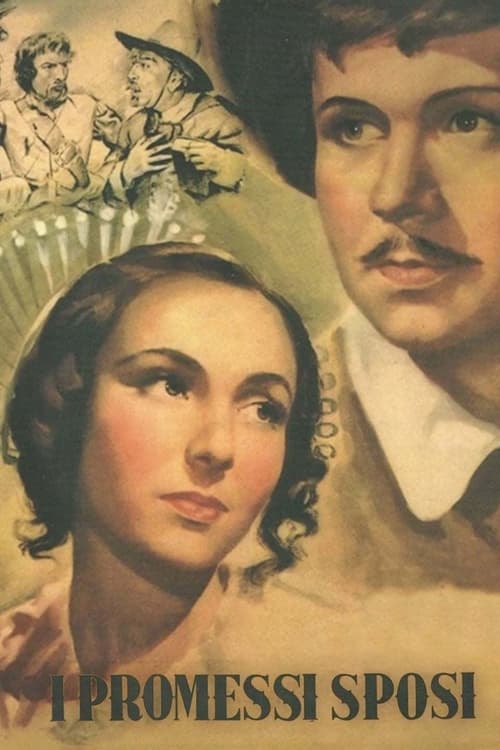
The Betrothed
1941
No user ratings available yet
Representation score: 1.3 out of 10
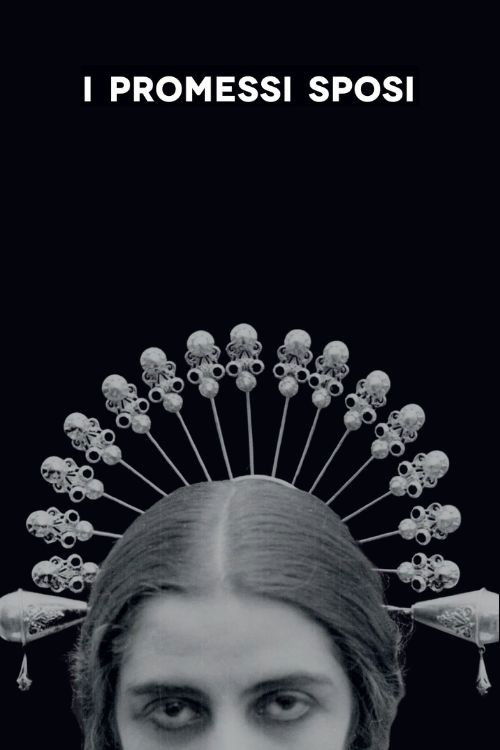
Representation Score
Minimal
1922
Director
Mario Bonnard
Runtime
140 minutes
Average Rating
No ratings yetNew Showbiz Analysis
The Betrothed is a period piece that upholds the traditional social order of 17th-century Lombardy. It emphasizes romantic and religious themes while adhering strictly to historical norms. The narrative structure reinforces traditional gender roles and religious institutions. While it examines the tension between citizens and Spanish occupiers, the conflict is framed through a historical-nationalist perspective rather than a modern multi-layered one. Overall, the film reflects the demographic and social conditions of its time, presenting a traditional view of the era's social hierarchy.
Category Breakdown
The film does not include any representations of LGBTQ+ identities or same-sex relationships. The story centers around the traditional romance between Renzo and Lucia.
Lucia exhibits strong moral character, but her role is mostly reactive to male authority. The plot is predominantly driven by male characters and societal pressures.
The cast reflects the ethnic homogeneity of 17th-century Northern Italy. There is no indication of diverse casting or racial representation.
The story is deeply rooted in the religious and cultural context of 17th-century Catholic society. It critiques power through a traditional moral lens rather than a modern secular perspective.
The film does not feature any characters with disabilities given meaningful roles. Physical impairments would likely serve merely as plot devices without deeper exploration.
Present on Screen
Limited or Absent
Official Synopsis
Based on the famous historical novel by Alessandro Manzoni, and set between 1628 and 1630 in Lombardy, Northern Italy, during the Spanish domination, the film displays the marriage between two young textile workers, Renzo and Lucia. The 1922 version is one of the most ambitious and spectacular films in all Italian silent cinema, with remarkable mass scenes and some images that sparked controversy.
1941
1921
1959
1968
1957
1994
1951

1970
No reviews yet. Be the first to share your thoughts on this movie!
Use the rating form above to leave a star rating and optional review.