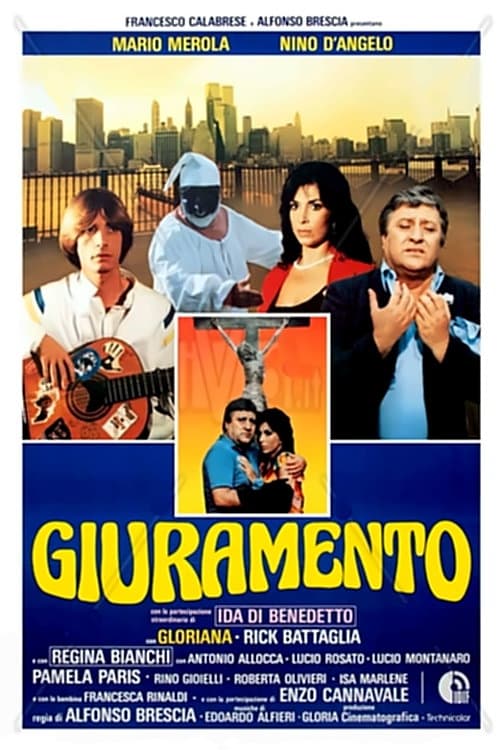
Giuramento
1982
No user ratings available yet
Diversity score: 2.2 out of 10
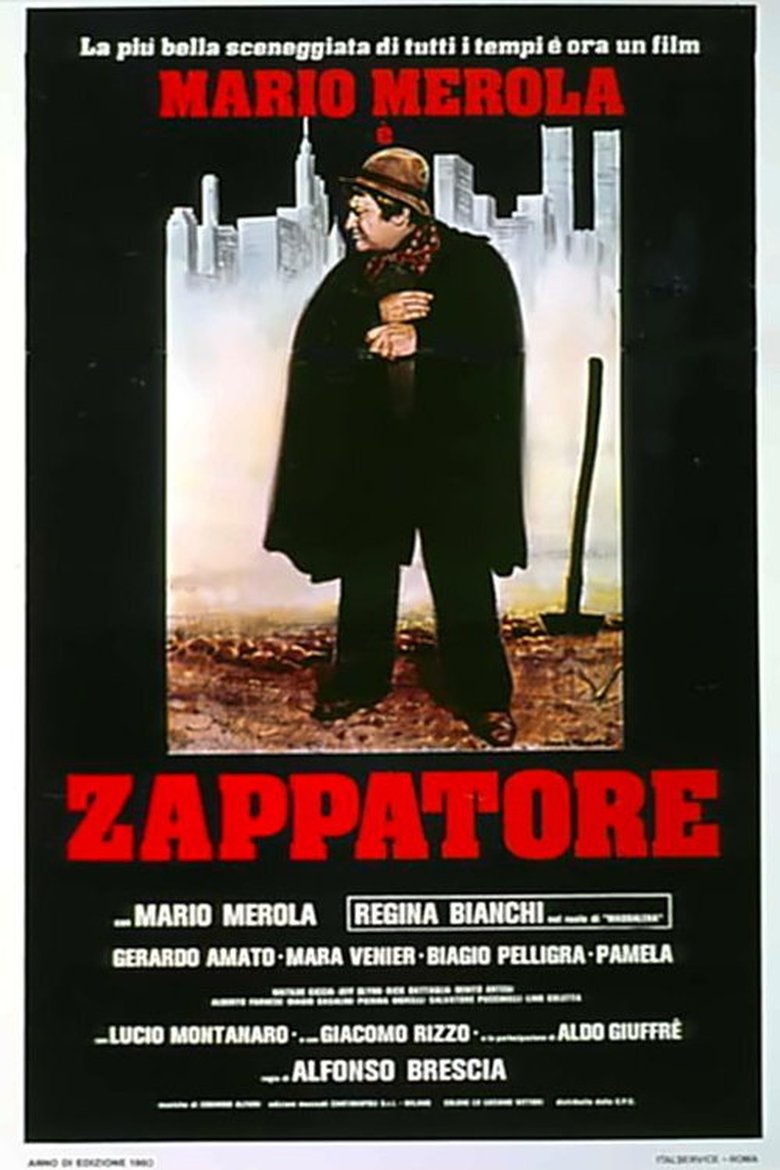
1980
Director
Alfonso Brescia
Runtime
98 minutes
Average Rating
No ratings yetSynopsis
Francesco Esposito and his wife Maddalena are two farmers who raised Mario, their only son, with loving devotion. To help him study, they also incurred debts to the city's loan shark. The boy has since become a brilliant lawyer and in Naples, where he moved for work, he met Nancy, the daughter of an Italian-American industrialist, and fell in love with her; it would seem like a story with a happy ending, if it weren't for the fact that Mario is ashamed of his parents' humble origins.
Overall Score
Limited
Category Breakdown
LGBTQ+ Representation
The film lacks visible LGBTQ+ characters or narratives. It adheres to traditional romantic structures and conventional domesticity, operating within the standard social frameworks of 1980s Italian cinema.
Gender Representation
Female characters primarily exist within domestic or romantic spheres to support the male protagonist. There is a notable absence of women demonstrating agency that disrupts traditional masculine hierarchies.
Racial & Ethnic Diversity
The cast and setting are centered almost exclusively on Neapolitan and Italian identities. The narrative focuses on intra-national class distinctions rather than multi-ethnic or post-colonial perspectives.
Religious & Cultural Diversity
The film explores the tension between working-class values and higher social strata. It highlights systemic pressures like debt and social shame within its regional cultural context.
Disability Representation
There is no discernible representation of physical, sensory, or neurodivergent disabilities. The narrative does not utilize disability as a central theme or character-driven arc.
Strengths
Areas for Improvement
AI Analysis
Zappatore is a period-specific drama that prioritizes regional identity and class-based tropes over intersectional representation. The story focuses on the friction between Neapolitan working-class roots and the social aspirations of upwardly mobile individuals. The film relies on traditional social hierarchies and conventional character archetypes. While it offers a localized critique of social mobility and the shame of humble origins, it lacks engagement with modern progressive frameworks. Ultimately, the production reflects the cultural norms of 1980s Italy, emphasizing regionalism and socioeconomic struggle rather than diverse or inclusive social perspectives.
1982

1983

2005

1982

1994

1979

2003

2007
1983

1970

1978

2022
No reviews yet. Be the first to share your thoughts on this movie!
Use the rating form above to leave a star rating and optional review.