
Il rabdomante
2007
No user ratings available yet
Representation score: 5.0 out of 10
Representation Score
Minimal
2007
Director
Stefano Incerti
Runtime
96 minutes
Average Rating
No ratings yetNew Showbiz Analysis
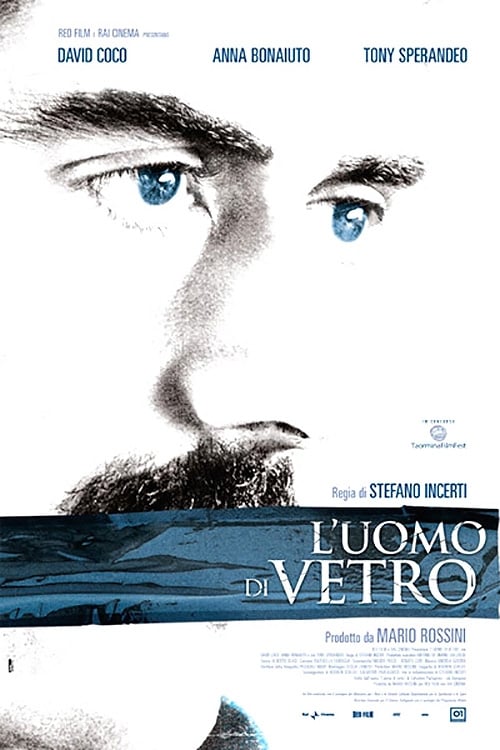
L'uomo di vetro functions as a localized Italian crime drama that prioritizes plot-driven tension over social deconstruction. The film operates within the traditional constraints of its genre, focusing on character-driven drama rather than advocating for diverse perspectives. The production lacks documented evidence of diverse identity portrayals or the subversion of social hierarchies. It appears to reflect the demographic homogeneity common to mid-2000s European crime cinema. Ultimately, the film does not appear to prioritize demographic representation or the disruption of traditional power structures, serving instead as a standard genre exploration.
Category Breakdown
The film does not include any LGBTQ+ characters or narratives, nor does it critique the assumption that everyone is straight or cisgender.
While there are female cast members, the film likely adheres to traditional crime genre clichés. There is no clear evidence of female protagonists who play a significant role in driving the story.
As an Italian production, the cast is primarily made up of Italian actors, suggesting a homogeneous demographic profile typical of localized crime dramas.
The narrative follows standard dramatic conventions without a clear secular or anti-Western agenda. It focuses on morality and legality within a traditional framework.
There is no information available regarding the inclusion of characters with visible or invisible disabilities in this production.
Present on Screen
Limited or Absent
Official Synopsis
Leonardo Vitale was the first Cosa Nostra turncoat to cooperate with the authorities. In 1973, he denounced Totò Riina, Bernardo Provenzano, Michele Greco, and Vito Ciancimino to the police, but he could not withstand imprisonment and lost his sanity. He ended up spending a full ten years in a criminal lunatic asylum. Yet, upon his release, the Mafia—which has a long memory—showed that it had not forgotten him.
2007

2001
2005

2013

1998
2005
1992
2015
No reviews yet. Be the first to share your thoughts on this movie!
Use the rating form above to leave a star rating and optional review.