
Reminiscences of a Journey to Lithuania
1972
No user ratings available yet
Representation score: 5.7 out of 10
Representation Score
Good
1972
Director
Adolfas Mekas, Pola Chapelle
Runtime
61 minutes
Average Rating
No ratings yetNew Showbiz Analysis
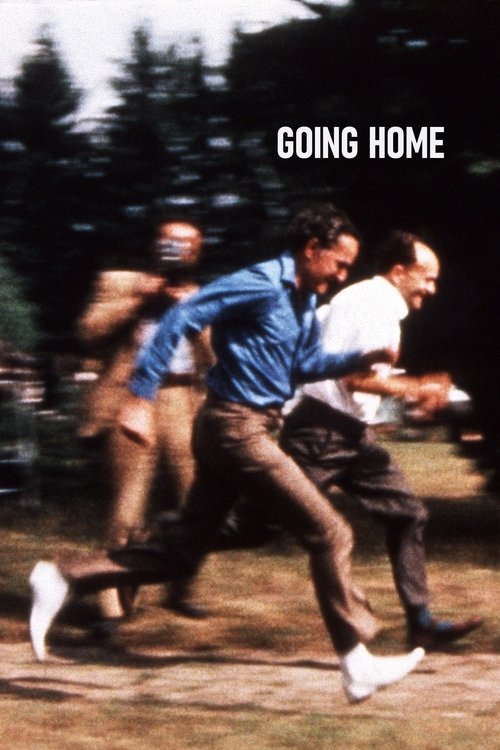
Going Home functions primarily as an experimental home movie rather than a work of overt social advocacy. Its value lies in its formal disruption of mainstream documentary norms and its emphasis on personal, non-linear storytelling. The film succeeds in centering ethnic identity through its focus on Lithuanian heritage. By documenting a journey to ancestral roots, it provides a lens that moves away from standardized Western perspectives. However, the work lacks explicit representation regarding disability and LGBTQ+ identities. While the collaborative direction offers a progressive model for gendered leadership, the film's impact is more formal than thematic.
Category Breakdown
The film does not explicitly depict LGBTQ+ identities or non-straight relationships. However, its roots in the 1970s avant-garde movement suggest a history of challenging traditional assumptions about sexuality.
The film features a collaborative directorial credit between Adolfas Mekas and Pola Chapelle, which disrupts the traditional 'sole auteur' model. This shared leadership provides Chapelle with a significant role in the filmmaking process.
The film focuses on travels to Lithuania and Europe, centering a non-Anglo-Saxon perspective. This emphasis on ancestral roots elevates a specific ethnic narrative away from Western-centric Hollywood standards.
The documentary explores heritage and geography from a personal perspective. It prioritizes individual and ancestral connections over a singular, institutionalized worldview or established Western structures.
There is no documented evidence regarding the portrayal of physical or neurodivergent disabilities. The film lacks visible representation or specific narrative engagement with disability.
Present on Screen
Limited or Absent
Official Synopsis
A home movie by Adolfas Mekas and wife Pola Chapelle on their travels to Lithuania and Europe. It was filmed concurrently with the more highly regarded “Reminiscences of a Journey to Lithuania” by Jonas Mekas, brother to Adolfas.
1972

1983
1981
1929
2000
1967
1976
1971
No reviews yet. Be the first to share your thoughts on this movie!
Use the rating form above to leave a star rating and optional review.