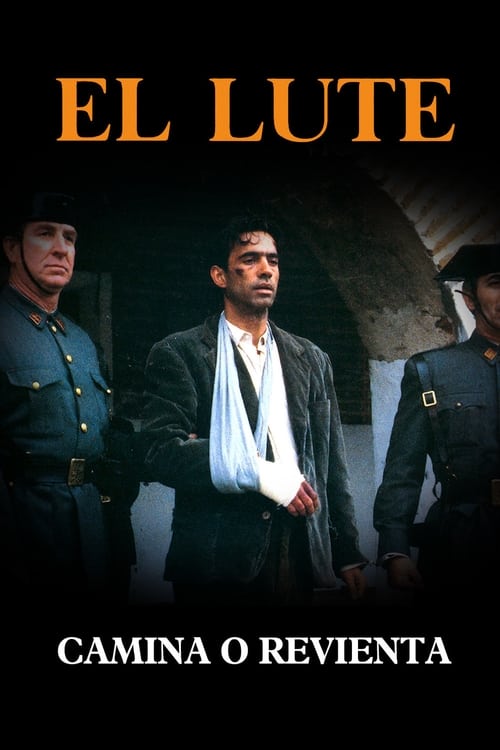
Lute: Forge On or Die
1987
No user ratings available yet
Diversity score: 6.6 out of 10

2012
Director
Marko Naberšnik
Runtime
124 minutes
Average Rating
No ratings yetSynopsis
The main protagonists of the film are members of the gypsy family Mirga. Lutvija Belmondo Mirga narrates a story about four generations. Belmondo is the central character of the film, a gypsy king, who decided to establish his own gypsy village. He names it Shanghai. Belmondo makes a living smuggling and his power and influence grow big. He even gets the local police and politics on his side and that helps him to become untouchable for law. But with the downfall of Yugoslavia, smuggling of goods is replaced by smuggling of the arms. Though lucrative the business starts to threaten Belmondo’s personal life and he finds himself at the crossroads. Will he protect his own family or is he going to sacrifice his personal happiness for business ambitions?
Overall Score
Good
Category Breakdown
LGBTQ+ Representation
The film lacks explicit visibility for queer identities. The narrative focuses on the patriarchal Mirga family structure and the central figure of the gypsy king.
Gender Representation
The story leans toward traditional patriarchal hierarchies. While Lutvija provides the narrative voice, primary agency and political power reside with the male protagonist, Belmondo.
Racial & Ethnic Diversity
The film excels by centering the Romani community as the primary drivers of the plot. It explores their internal social structures and attempts at self-governance with significant depth.
Religious & Cultural Diversity
The narrative disrupts Western moral frameworks by framing smuggling as a response to systemic shifts. It offers a critique of centralized authority and traditional legalism.
Disability Representation
There is no evidence regarding the portrayal of physical or neurodivergent disabilities within the provided narrative details.
Strengths
Areas for Improvement
AI Analysis
Shanghai Gypsy is a significant piece of ethnographic cinema that prioritizes the agency of a historically marginalized ethnic group. By centering the Romani experience, the film moves away from mainstream Western tropes to explore a unique social ecosystem. While the film succeeds in ethnic representation and cultural critique, it remains tethered to traditional gender roles. The power dynamics are heavily centered on a male patriarch, which limits the scope of gender diversity. Ultimately, the film's strength lies in its ability to deconstruct state institutions through a non-Western lens, providing a necessary disruption to conventional cinematic norms despite its limited LGBTQ+ and gender-based visibility.
1987
2023
2009
2000
2007
1996
2006
1978
2016
1983

2009

2015
No reviews yet. Be the first to share your thoughts on this movie!
Use the rating form above to leave a star rating and optional review.