
El triunfo
2006
No user ratings available yet
Representation score: 4.6 out of 10
Representation Score
Fair
2000
Director
Manuel Palacios
Runtime
106 minutes
Average Rating
No ratings yetNew Showbiz Analysis
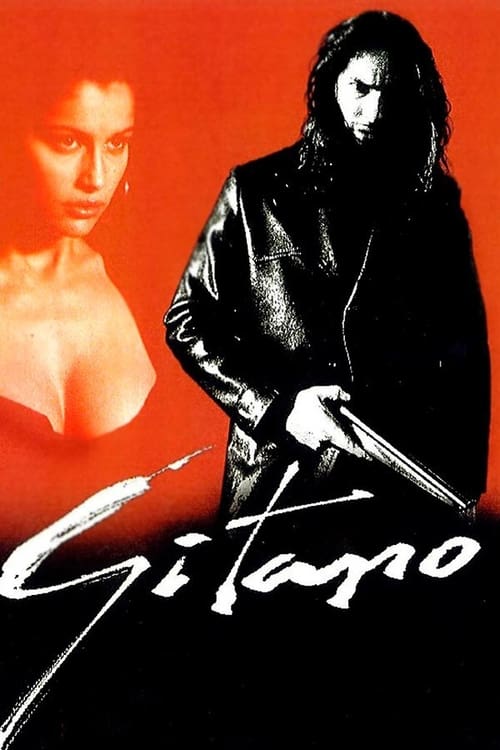
Gitano is a culturally specific drama that finds its strength in its ethnic authenticity. By centering a Romani protagonist and the traditions of Flamenco, the film offers a meaningful look at a non-Westernized cultural experience. However, the film's narrative structure is limited by traditional dramatic clichés. The reliance on patriarchal hierarchies and conventional gendered conflicts prevents a more complex exploration of its characters. Ultimately, while the film succeeds in providing a platform for specific ethnic expression, it remains tethered to standard melodramatic structures regarding family and romance.
Category Breakdown
The film does not include explicit LGBTQ+ characters or relationships that challenge the assumption that everyone is straight or cisgender. The story revolves around conventional romantic clichés and heterosexual conflicts.
Gender dynamics follow traditional patriarchal structures. The female lead is primarily defined through the cliché of infidelity within a domestic setting.
The film excels by centering Romani identity and Flamenco culture. This focus provides a nuanced study of ethnic heritage rather than mere including someone from a minority group without giving them real depth.
The narrative explores themes of systemic failure and familial honor. It depicts a world governed by localized power dynamics and cycles of revenge.
There is no evidence of physical or neurodivergent disabilities portrayed in the narrative. No characters with visible or invisible impairments are identified.
Present on Screen
Limited or Absent
Official Synopsis
Andres is a flamenco singer who has just gotten out of prison after being falsely convicted of the murder of Romero, a member of his band. As Andres tries to re-acclimate himself to freedom, he discovers things have not been going his way while he was up the river; his wife Lucia is having an affair with another man, while his bullying father Isidoro is obsessed with getting revenge against Don Manuel, who rules a local crime syndicate known as the Junco Family.
2006
2000
2006

2019
2016
1992
1970

1992
No reviews yet. Be the first to share your thoughts on this movie!
Use the rating form above to leave a star rating and optional review.