Five
1951
No user ratings available yet
Diversity score: 1.9 out of 10
1953
Director
Abram Room
Runtime
102 minutes
Average Rating
No ratings yetSynopsis
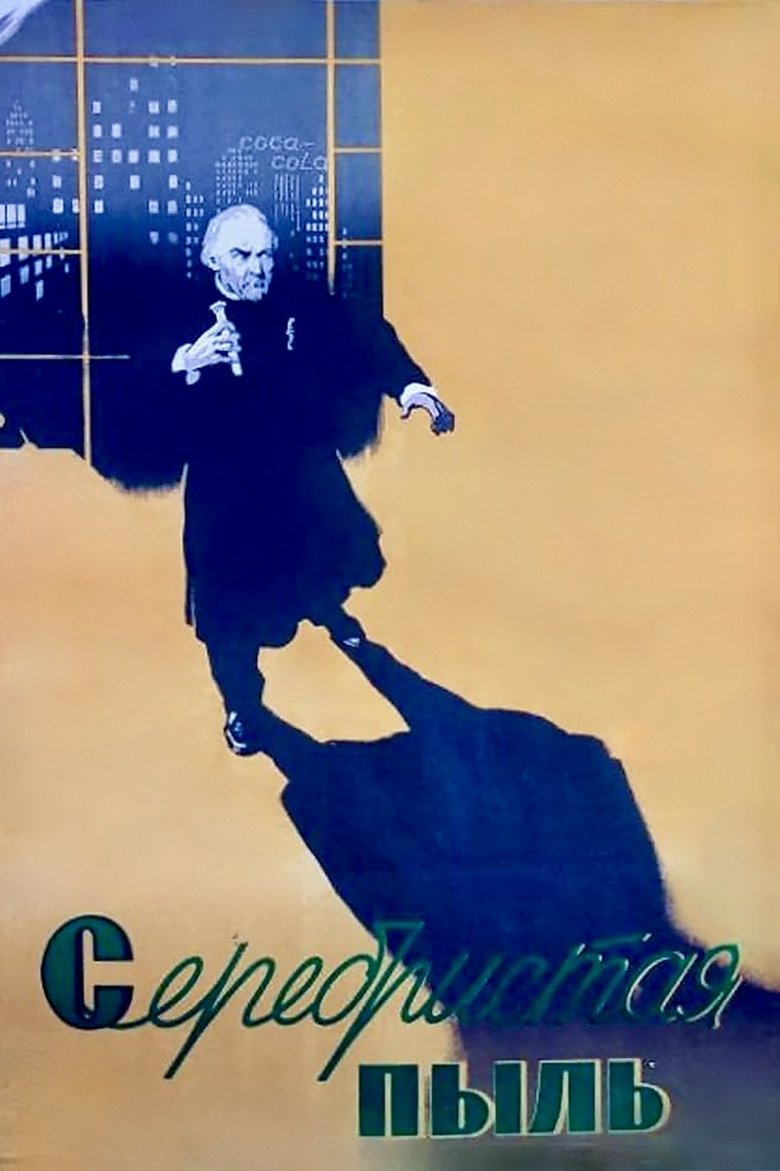
An American scientist invents a new weapon of mass destruction - silver dust. Corporate war breaks out between two military industry giants to own the weapon. The scientist dies and his son makes the discovery public with more consequences.
Overall Score
Limited
Category Breakdown
LGBTQ+ Representation
The film focuses on a heterosexual romantic triangle. It lacks any representation of non-cisnormative identities or critiques of heteronormativity.
Gender Representation
The story centers on female desire and emotional agency. It explores the complexities of a woman's choices and the psychological consequences of her romantic obsessions.
Racial & Ethnic Diversity
The production reflects the homogeneous casting norms of the 1950s. There is no evidence of racial blending or significant non-white characters.
Religious & Cultural Diversity
The film uses psychological necessity to frame infidelity rather than religious condemnation. It suggests a departure from conservative morality by focusing on the breakdown of the nuclear family.
Disability Representation
There is no evidence of characters with physical or neurodivergent disabilities driving the narrative or serving as thematic elements.
Strengths
Areas for Improvement
AI Analysis
Silvery Dust operates as a mid-century domestic melodrama that finds its strength in psychological depth rather than social breadth. While the science fiction premise involves a weapon of mass destruction, the narrative core prioritizes individual emotional landscapes and interpersonal tension. The film succeeds in offering a more nuanced view of female agency than many of its contemporaries. By centering the plot on the internal struggles and romantic volatility of its female lead, it moves beyond the era's typical domestic archetypes. However, the film remains limited by the social constraints of its time. It lacks intersectional diversity, offering almost no representation regarding race, disability, or LGBTQ+ identities, which keeps its overall impact narrow.
1951

1920
1979
1925
1965
1977

1971
1950
1935
No reviews yet. Be the first to share your thoughts on this movie!
Use the rating form above to leave a star rating and optional review.