
Silvery Dust
1953
No user ratings available yet
Diversity score: 2.9 out of 10

1925
Director
Lev Kuleshov
Runtime
125 minutes
Average Rating
No ratings yetSynopsis
In a capitalist country, workers are heavily repressed but manage to get a Death Ray to fight back. Partially lost movie.
Overall Score
Fair
Category Breakdown
LGBTQ+ Representation
The fragmentary nature of this surviving film provides no verifiable evidence regarding non-heteronormative identities. There is no documentation of gender non-conformity in the available records.
Gender Representation
The film focuses on workers fighting repressive structures, which suggests a narrative favoring collective agency over traditional patriarchal leadership. However, specific female character roles remain unconfirmed.
Racial & Ethnic Diversity
Situated in the Soviet cinematic tradition, the film emphasizes internationalist solidarity. The anti-capitalist framework aligns with a rejection of Western-centric racial hierarchies, though specific ethnic casting is not detailed.
Religious & Cultural Diversity
The narrative explicitly critiques Western capitalist institutions as oppressive forces. By centering the struggle on the working class reclaiming technology, it frames traditional economic structures as inherently corrupt.
Disability Representation
There is no documented evidence regarding the inclusion or portrayal of neurodivergence or physical disabilities within the surviving records of this work.
Strengths
Areas for Improvement
AI Analysis
The Death Ray serves as a foundational piece of Soviet montage cinema, using science fiction to drive social critique. Its narrative architecture prioritizes systemic power dynamics and collective resistance over individualist heroics, focusing on the conflict between the proletariat and capitalist hegemony. While the film's ideological stance against Western economic institutions provides a strong progressive framework, the loss of significant footage limits a full assessment of character-level diversity. The score reflects a tension between strong systemic critique and a lack of specific data regarding individual identities. Ultimately, the film succeeds in deconstructing economic hierarchies, but its ability to represent specific marginalized groups remains obscured by its fragmentary state.
1953

1920
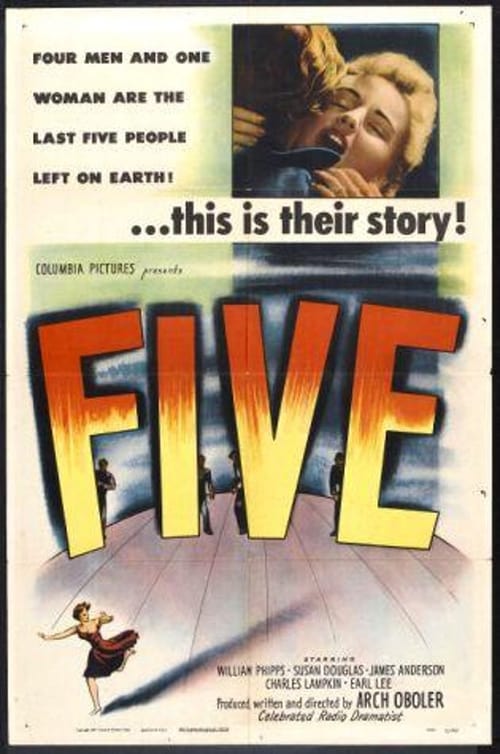
1951
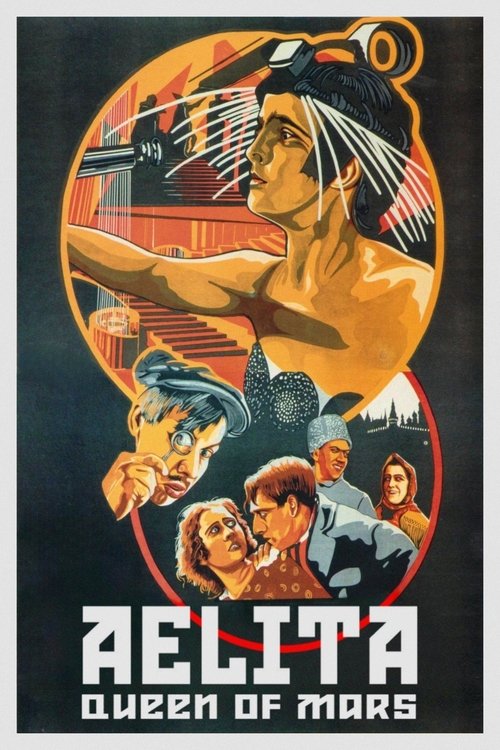
1924
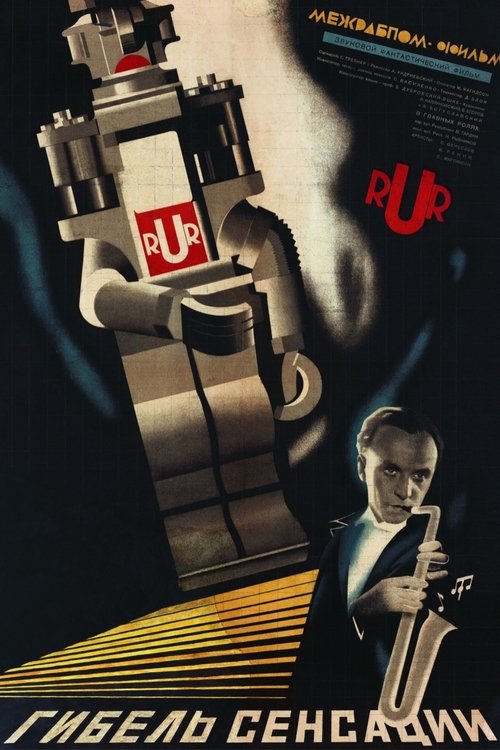
1935

1971
1916

1924
No reviews yet. Be the first to share your thoughts on this movie!
Use the rating form above to leave a star rating and optional review.