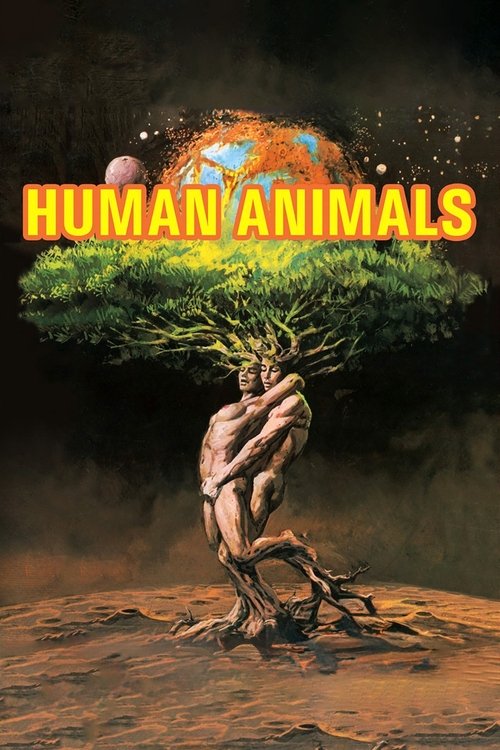
Human Animals
1983
No user ratings available yet
Representation score: 2.2 out of 10

Representation Score
Minimal
1951
ApprovedDirector
Arch Oboler
Runtime
93 minutes
Average Rating
No ratings yetNew Showbiz Analysis
Arch Oboler’s *Five* is a mid-century drama centered on the psychological impact of an atomic disaster. The film prioritizes the mechanics of survival and psychological tension over any social or identity-based commentary. Given its limited scope and focus on a small, homogeneous group of survivors, the film does not explore the complexities of diverse identities or challenge systemic social structures. Instead, it serves as a speculative drama about human endurance.
Category Breakdown
The film does not include any characters who identify as LGBTQ+. The narrative focuses solely on survival, with no exploration of sexual orientation or gender identity.
The cast includes four men and one woman. Although the female character plays a key role in the survival scenario, the film does not challenge traditional gender roles from the 1950s.
The cast is largely uniform, reflecting the homogeneity typical of 1950s cinema. There is no indication of racial or ethnic diversity among the survivors.
The story is set within a traditional Western context of survival. It does not present any anti-Western or anti-religious themes, focusing instead on the struggle between humans and nature.
None of the characters have visible or hidden disabilities. The narrative emphasizes physical and mental resilience without addressing neurodivergence or impairments.
Present on Screen
Limited or Absent
Official Synopsis
The film's storyline involves five survivors, one woman and four men, of an atomic bomb disaster. The five come together at a remote, isolated hillside house, where they try to figure out how to survive.
1983

1962

1974

1951

1960

1959

1977

1983
No reviews yet. Be the first to share your thoughts on this movie!
Use the rating form above to leave a star rating and optional review.