
What Do You Know to Do?
1984
No user ratings available yet
Representation score: 5.2 out of 10
Representation Score
Fair
1984
Director
Yuriy Butyrin
Runtime
9 minutes
Average Rating
No ratings yetNew Showbiz Analysis
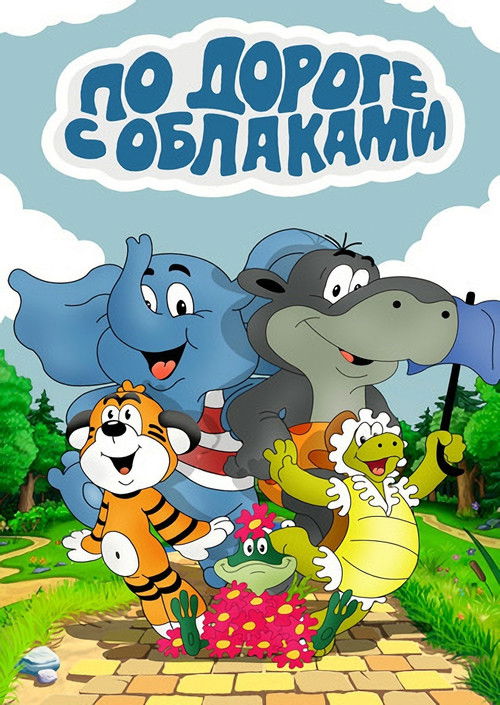
On the Road with Clouds utilizes anthropomorphic allegory to create a neutral viewing experience. By centering the story on a tiger and a monkey, the film sidesteps the complexities of human-centric racial and gender hierarchies. The narrative prioritizes a universalist emotional arc, moving from individual dissatisfaction to communal engagement. While this approach avoids many social pitfalls, it also lacks explicit multi-layered complexity or specific identity-based representation. Ultimately, the film offers a non-hierarchical perspective by focusing on interpersonal dynamics and environmental perceptions rather than rigid social structures.
Category Breakdown
The film focuses on the emotional states of anthropomorphic animals. There is no explicit evidence of non-straight or non-cisgender identities or same-sex relationships.
The tiger and monkey characters function as animal archetypes. Their peer-to-peer social dynamic avoids traditional human gender hierarchies and patriarchal leadership clichés.
Using non-human species serves as a metaphor for universalism. This approach bypasses traditional racial or ethnic categorizations through a color-blind character design.
The story emphasizes emotional regulation and companionship over structured societal roles. This focus suggests a fluid worldview centered on nature and personal experience.
There is no evidence of characters with visible or invisible disabilities within the narrative.
Present on Screen
Limited or Absent
Official Synopsis
Little Tiger is unhappy with the cloudy day: the sky is covered with clouds and the sun is not visible. Cheerful Monkey invites him to go for a walk.
1984
1980

1984
1985

1984

1963

1948

1986
No reviews yet. Be the first to share your thoughts on this movie!
Use the rating form above to leave a star rating and optional review.