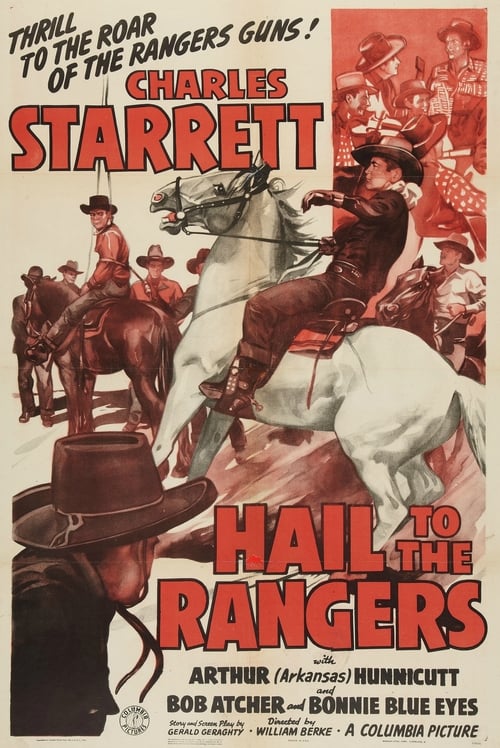
Hail to the Rangers
1943
No user ratings available yet
Representation score: 1.3 out of 10

Representation Score
Minimal
1943
PassedDirector
William Berke
Runtime
54 minutes
Average Rating
No ratings yetNew Showbiz Analysis
Saddles and Sagebrush is a classic mid-century B-Western that closely follows the social norms of its time. It functions as a traditional morality tale, using a binary framework of justice versus crime to propel the plot. The narrative structure reinforces established frontier hierarchies, emphasizing land ownership and patriarchal protection. There is a noticeable absence of identity-based challenges, as the film prioritizes clear-cut heroism and conventional masculine roles. Ultimately, the film serves as a historical benchmark for the genre, reinforcing traditional storytelling clichés and social norms.
Category Breakdown
The film does not depict any non-straight relationships or queer themes. Character interactions revolve around traditional romantic and family bonds.
Female characters such as Ann Martin mainly serve as catalysts for male action rather than independent actors. Masculinity is portrayed through physical strength and leadership roles.
The cast is predominantly white, with little racial or ethnic diversity. The story unfolds within an Anglo-centric social framework typical of the 1940s.
The narrative upholds traditional Western values concerning property rights and family sanctity. It emphasizes a clear moral binary focused on maintaining institutional norms.
The film does not depict any physical or neurodivergent disabilities. Characters are defined by the physical demands of frontier life.
Present on Screen
Limited or Absent
Official Synopsis
Krag Sabine has aroused the wrath of all the ranchers by stealing their land with the aid of his henchmen, led by Ace Barco; when Lafe Martin objects, the outlaws shoot him down. Lucky Randall promises Ann Martin he will avenge her wounded father. He sets up headquarters on the Martin ranch and sends for Bob Merritt and his men, the Texas Playboys (Jesse Ashlock, Leon McAuliffe, Cotton Thompson, Junior Barnard and Luke Wills). Krag organizes his remaining men for an attack on the ranch. Lucky's men get the upper hand but Krag escapes with Ann as his hostage.
1943

1939
1939
1959
1938
1949
1943
1944
No reviews yet. Be the first to share your thoughts on this movie!
Use the rating form above to leave a star rating and optional review.