
Barrio de campeones
1981
No user ratings available yet
Diversity score: 5.1 out of 10
2000
Director
Buddhadeb Dasgupta
Runtime
99 minutes
Average Rating
No ratings yetSynopsis
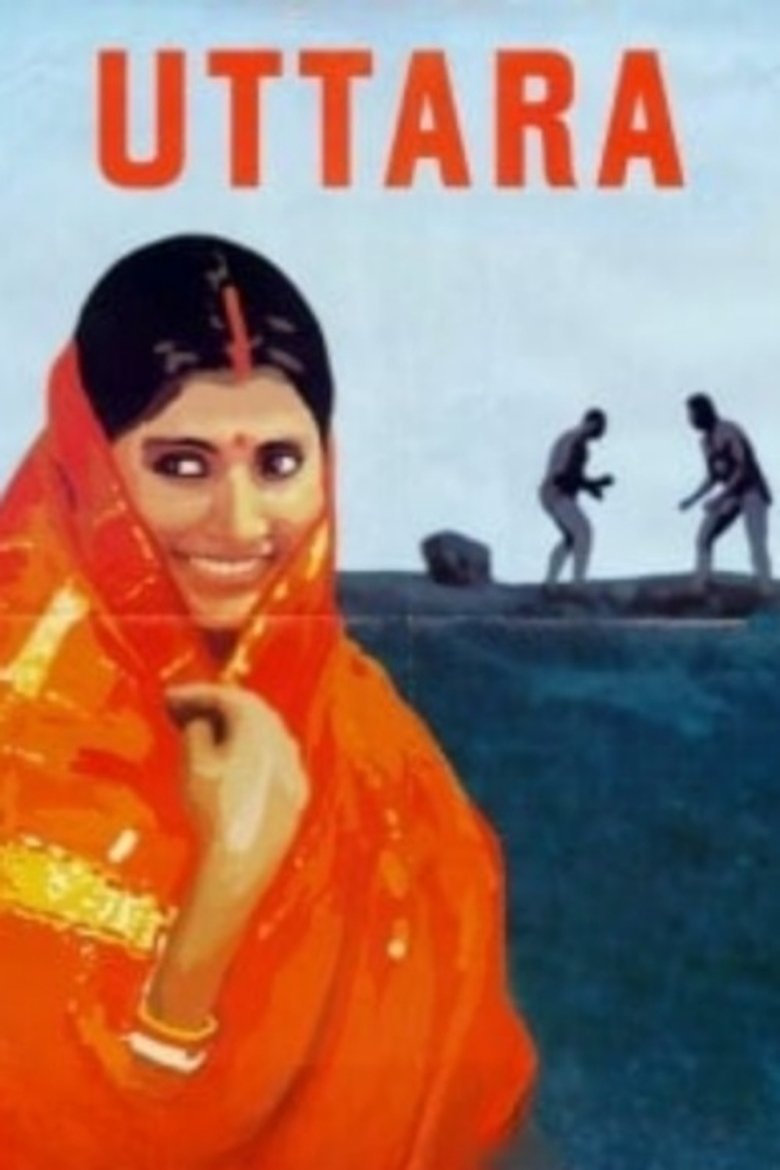
In the pastoral expanse of rural Bengal, in Purulia district, single railroad workers and best friends Balaram (Shankar Chakraborty) and Nemai (Tapas Pal) spend their days wrestling on a hill with little work to speak of because the fact that their flag station has only a couple of trains to be flagged off or signalled to. Wrestling, however, despite its aggression and physical combat, turns into an expression of close bonding for Nimai and Balaram, a bond already established through their complementary work at the flag station. Wrestling, for them, is a way of releasing physical energy and a form of dynamic entertainment.
Overall Score
Good
Category Breakdown
LGBTQ+ Representation
The film focuses on the heteronormative bond between Nemai and Balaram. There is no visible evidence of queer identities or narratives that critique heteronormativity.
Gender Representation
A masculine framework dominates through the motif of wrestling. However, the introduction of Uttara disrupts this male ecosystem, centering the social shifts caused by her presence.
Racial & Ethnic Diversity
The film provides strong representation of non-Western identities. By centering a Bengali cast and rural Indian landscape, it resists the white norm found in global cinema.
Religious & Cultural Diversity
The narrative focuses on the working class and rejects Westernized capitalist tropes. It uses manual labor and communal wrestling rituals to provide a localized, poetic realism.
Disability Representation
The film explores physical discipline and bodily limits, but there is no evidence of visible or invisible disabilities serving as central narrative drivers.
Strengths
Areas for Improvement
AI Analysis
Buddhadeb Dasgupta’s film succeeds as a post-colonial work by centering a Bengali identity and the dignity of working-class labor. It avoids Western-centric storytelling, opting for a localized aesthetic that prioritizes poetic realism over standard action tropes. While the film is culturally grounded and resists the 'white norm,' it remains tethered to traditional social structures. The narrative focuses on heteronormative companionship and masculine physical discipline, offering little exploration of queer identities or disability. Ultimately, the film's strength lies in its refusal to adhere to dominant Western cinematic hierarchies, providing a meaningful study of human physicality within a specific socioeconomic context.
1981

1995

2002
1975
1989
1973

2022

2004
2002
1959

2009

2012
No reviews yet. Be the first to share your thoughts on this movie!
Use the rating form above to leave a star rating and optional review.