Aadi
2002
No user ratings available yet
Representation score: 1.4 out of 10
Representation Score
Good
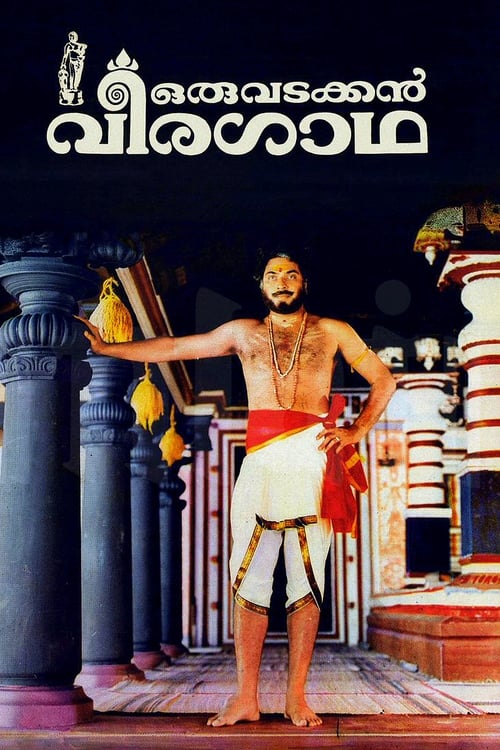
1989
Director
T Hariharan
Runtime
168 minutes
Average Rating
No ratings yetNew Showbiz Analysis
Oru Vadakkan Veeragatha excels in its cultural authenticity and narrative subversion. By reimagining folklore through a revisionist lens, it replaces simplistic hero-villain binaries with complex, sympathetic protagonists. This approach provides a sophisticated critique of historical social hierarchies. However, the film remains limited by its focus on the idealized, able-bodied warrior. The narrative structure heavily favors masculine-coded leadership and interpersonal male rivalries, which restricts the breadth of its social representation. Ultimately, the film's strength lies in its ability to use a specific regional history to explore universal themes of systemic injustice and moral ambiguity.
Category Breakdown
The film follows the straight-centered social structures of its medieval Kerala setting. There is no depiction of diverse sexual orientations or gender identities.
Strong female figures like Unniyarcha play significant roles in the martial culture. However, the main storyline focuses on male rivalry and competition.
The film accurately portrays the Chekavar clan and their unique martial traditions. It avoids Eurocentric hero clichés by focusing on a non-Western, regional ethnic identity.
The narrative uses moral relativism to reimagine legendary figures with psychological complexity. It critiques oppressive feudal and caste-based social structures through a lens of systemic betrayal.
Characters are defined by physical prowess and idealized warrior bodies. There is no significant focus on neurodivergence or physical disabilities within the text.
Present on Screen
Limited or Absent
Official Synopsis
Chanthu, a poor orphan and Aromal are cousins and belong to the Chekavar clan, a warrior clan who hire themselves out as duellers to settle disputes among the rich and powerful. Aromal, jealous of the much more talented Chanthu, makes life miserable for him and Chanthu decides to leave and live with Aringodar, a rival chekavan, as his pupil. When the two sons of a local landlord have a property dispute and decide to hire Aromal and Aringodar to duel it out, Chanthu has to decide where his loyalty lies - with the family of the uncle who brought him up or with Aringodar who provided him with sanctuary.
2002

1993

1985
2019
2021
2004
2019
1988
No reviews yet. Be the first to share your thoughts on this movie!
Use the rating form above to leave a star rating and optional review.