
Crying Fist
2005
No user ratings available yet
Representation score: 4.6 out of 10
Representation Score
Limited
2009
GDirector
Miguel Necoechea
Runtime
97 minutes
Average Rating
No ratings yetNew Showbiz Analysis
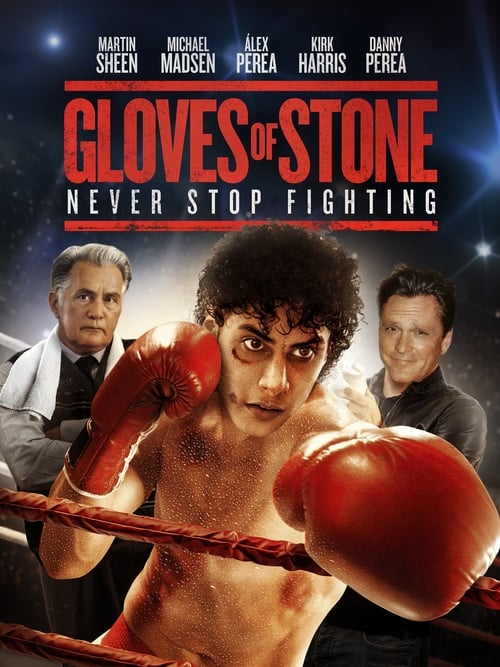
Gloves of Stone is a traditional dramatic narrative that finds its strength in its cultural setting. By placing a Mexican protagonist at the center of the story, the film moves away from standard Hollywood-centric perspectives. However, the film adheres to very conventional storytelling clichés. The focus on boxing and male mentorship reinforces traditional ideas of masculinity and social mobility through disciplined labor. Ultimately, while the film offers ethnic representation, it does not actively challenge systemic hierarchies or explore diverse identities, remaining within a classical dramatic framework.
Category Breakdown
The film does not include any LGBTQ+ characters or non-cisgender identities. The story focuses solely on traditional mentorship and athletic competition.
The story centers on a traditionally masculine boxing environment and male-driven mentorship. It lacks visible women's ability to drive the story or the subversion of traditional gender hierarchies.
By centering Abner within the socio-cultural context of Mexico City, the film disrupts Western-centric protagonist clichés. This provides meaningful representation for a non-Anglo-Saxon lead.
The narrative follows a traditional triumph-over-adversity arc. It relies on established social structures and mentorship without critiquing systemic institutions.
There is no mention of characters navigating physical, neurodivergent, or mental health conditions. The focus remains on athletic discipline.
Present on Screen
Limited or Absent
Official Synopsis
Abner is trapped in the rough life of Mexico City. His escape? Boxing. Dr. Frank Irwin (Martin Sheen) and his son Jimmy, a pro boxer, come together to teach Abner that the heart fuels the punches we throw in life.
2005

2013

2001

2011

2002
2016

2012

1992
No reviews yet. Be the first to share your thoughts on this movie!
Use the rating form above to leave a star rating and optional review.