
The White Sun of the Desert
1969
No user ratings available yet
Representation score: 5.4 out of 10
Representation Score
Fair
1979
Director
Ali Khamraev
Runtime
90 minutes
Average Rating
No ratings yetNew Showbiz Analysis
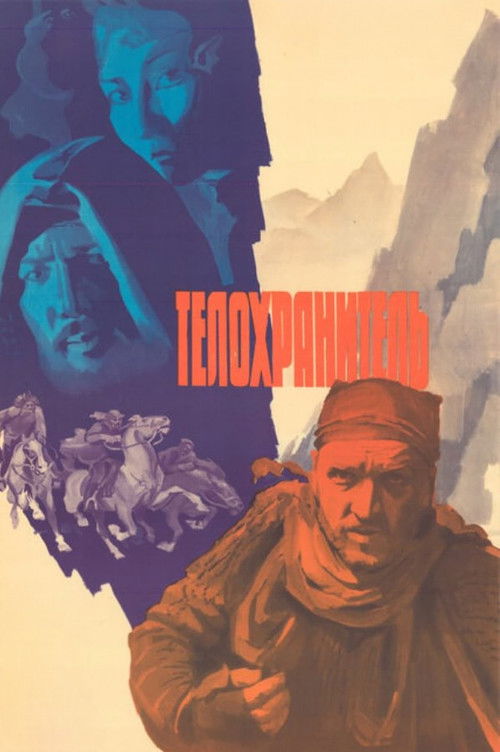
The Bodyguard stands out as a significant piece of regional cinema that centers Central Asian ability to act. By focusing on the Bukhara province and the Basmachi rebels, it provides a necessary alternative to Western-centric historical narratives. While the film offers rich ethnic and cultural authenticity, it remains tied to the social hierarchies of its 1979 production context. The power dynamics lean heavily toward masculine leadership, and the representation of women is limited in scope. Ultimately, the film's strength lies in its ability to portray a complex tapestry of regional identities during a period of geopolitical transformation.
Category Breakdown
The film does not include explicit LGBTQ+ characters or non-straight identities. The narrative follows a traditional ensemble structure focused on a revolutionary mission.
The film includes a strong female presence in a high-stakes environment, moving beyond purely domestic roles. However, leadership and physical ability to act remain centered on male characters.
The film excels by centering a Central Asian cast and setting. It disrupts Western-centric hero clichés by focusing on the regional conflict between the Red Army and Basmachi rebels.
The story explores the tension between established regional hierarchies and emerging political ideologies. It depicts the transition of power during a period of intense systemic upheaval.
There are no visible or invisible disabilities among the primary characters in this production.
Present on Screen
Limited or Absent
Official Synopsis
The setting is Central Asia during the Russian civil war. In the post-revolutionary twenties, when the power in European Russia was (officially) "fully in the hands of the workers and peasants", but the fight against the Basmachi rebels was in full swing. When a Red Army detachment captures Sultan Mazar, the brains behind the Bazmachi contingent, a decision is made to escort urgently the prisoner to the Bukhara province. The difficult mission is entrusted to a grizzled mountain trapper and conscientious revolutionary called Mirzo. His expertise is essential to traverse the precarious paths and steep mountain ridges along the way, impossible terrain for the inexperienced. A group consisting of Mirzo, his brother Kova, the Sultan, his daughter Zaranghis and slave Saifulla set off on this journey. They are forced to fight on the mountain ridges as well as negotiate the natural dangers and harsh elements.
1969
1960
1973

1971

1996
1988
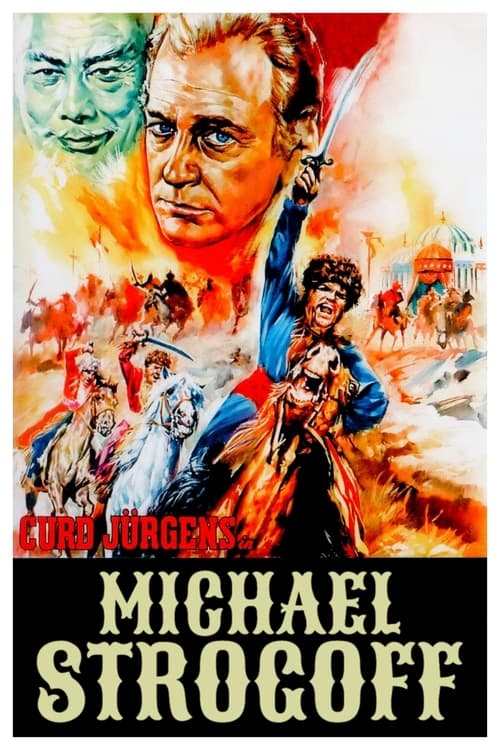
1956

1985
No reviews yet. Be the first to share your thoughts on this movie!
Use the rating form above to leave a star rating and optional review.