The Bandits
1967
No user ratings available yet
Representation score: 3.7 out of 10
Representation Score
Limited
1975
PGDirector
Richard Brooks
Runtime
132 minutes
Average Rating
No ratings yetNew Showbiz Analysis
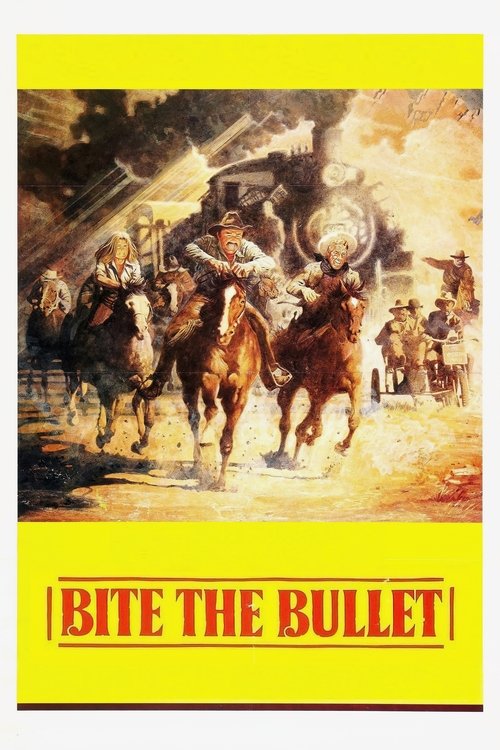
Bite the Bullet is a traditional Western and war film that follows established genre conventions. It does not delve deeply into diverse identities or challenge traditional power structures. However, the film stands out by critically examining historical myths and the futility of conflict. It prioritizes a narrative focused on the harsh realities of survival over demographic inclusivity.
Category Breakdown
The film adheres to a strict focus on straight relationships and traditional gender roles. There is no indication of queer subtext or characters with non-traditional gender identities.
The story emphasizes male physical strength and combat skills. Although there is a female character, Miss Jones, she remains on the sidelines and does not challenge traditional gender roles.
The cast is mainly composed of white actors, reflecting the historical context of Confederate groups. A Mexican character is included, but the story remains centered on the Anglo-American experience.
The film dismantles traditional myths by highlighting the chaos and absurdity of conflict. It avoids glorifying the 'Lost Cause' and instead promotes moral skepticism.
Physical injuries serve as a plot device to create tension around survival. Characters with disabilities are not shown to have much influence beyond the immediate demands of war.
Present on Screen
Limited or Absent
Official Synopsis
At the beginning of the 20th century, a newspaper organizes an endurance horse race : 700 miles to run in a few days. 9 adventurers are competing, among them a woman, Miss Jones, a Mexican, an Englishman, a young cow-boy, an old one and two friends, Sam Clayton and Luke Matthews. All those individualists will learn to respect each other.
1967

1971
1966
1964
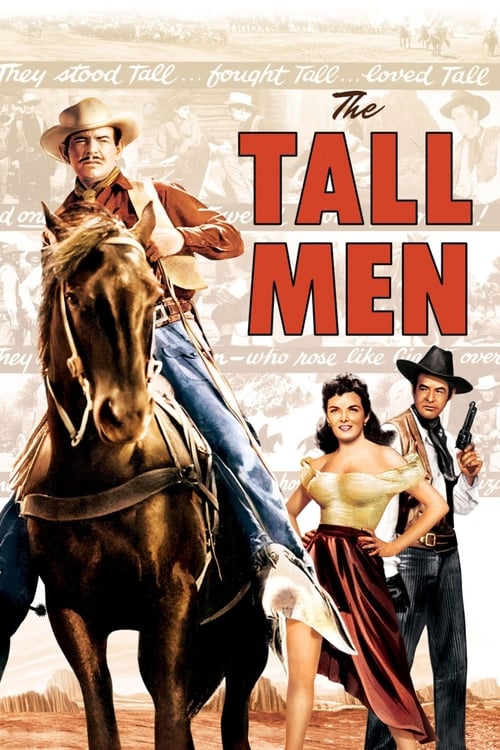
1955
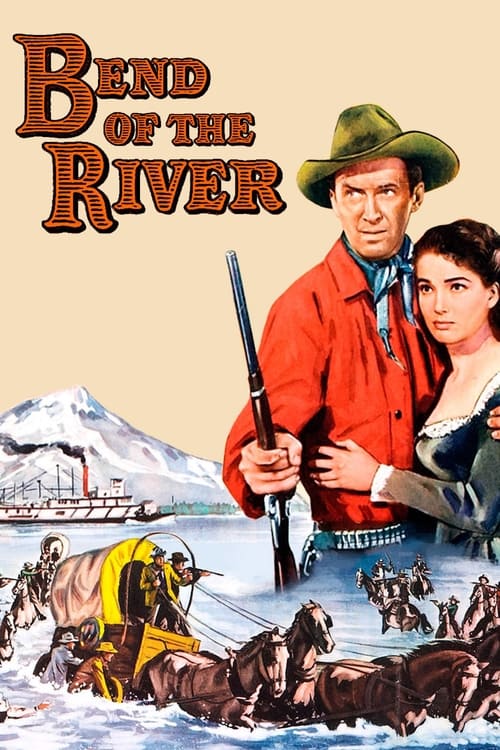
1952
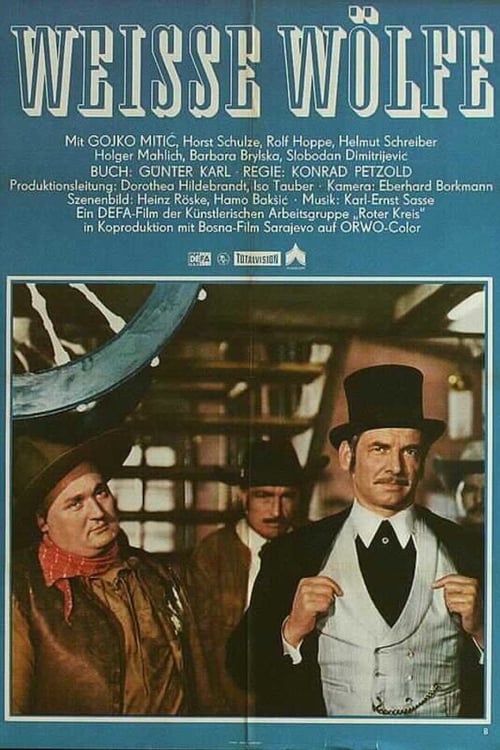
1969
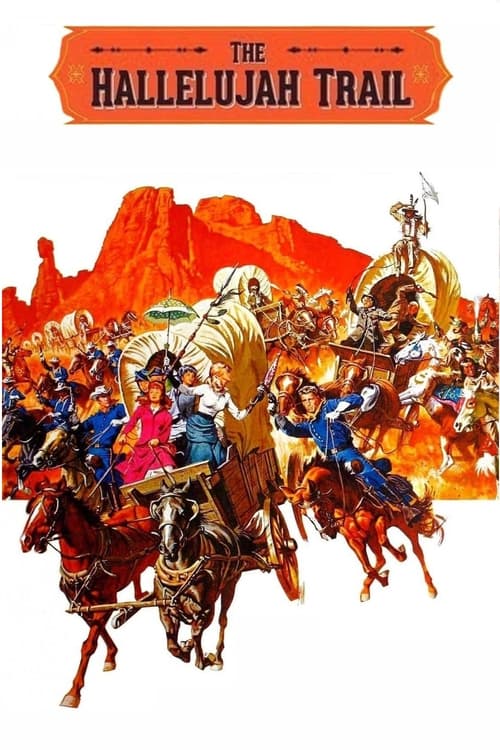
1965
No reviews yet. Be the first to share your thoughts on this movie!
Use the rating form above to leave a star rating and optional review.