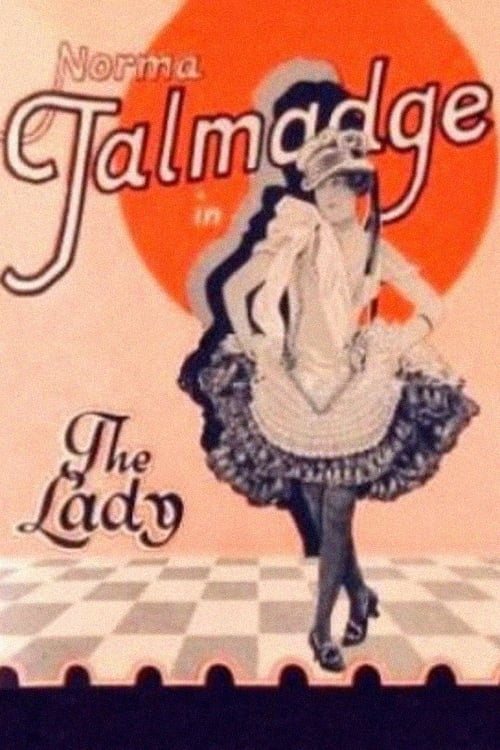
The Lady
1925
No user ratings available yet
Diversity score: 2.3 out of 10
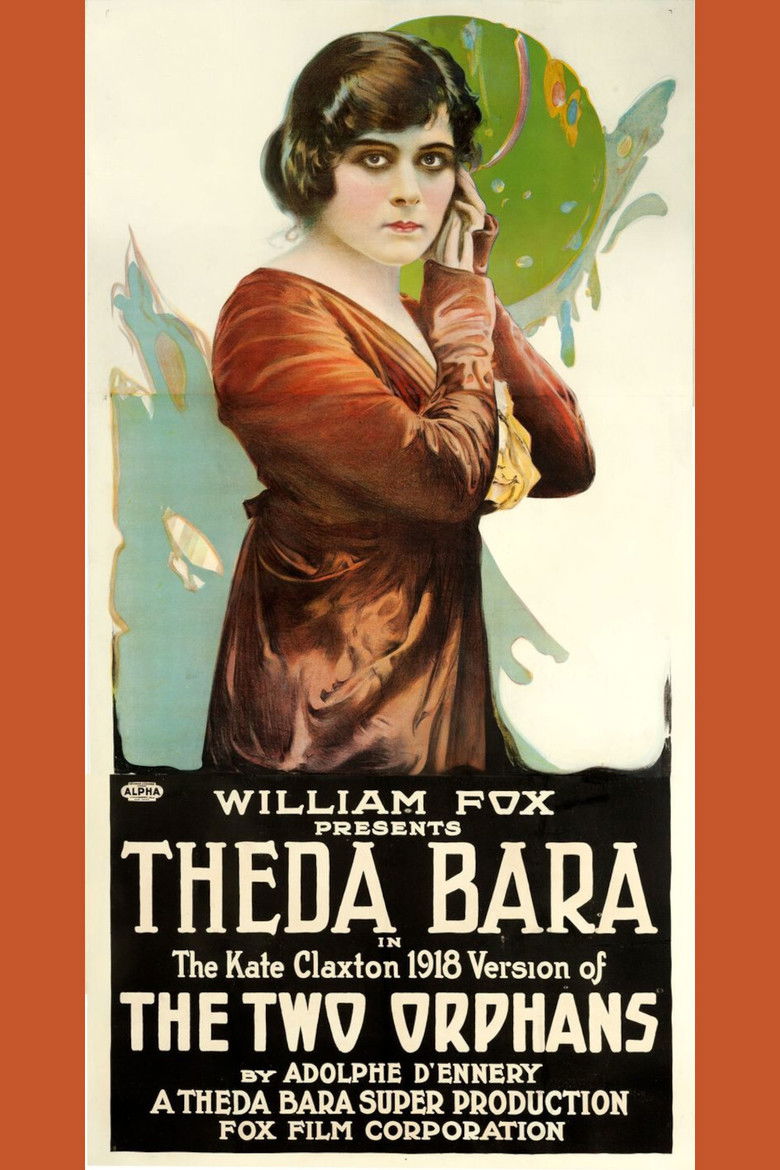
1915
PassedDirector
Herbert Brenon
Runtime
70 minutes
Average Rating
No ratings yetSynopsis
This picture is based on the same story that became D.W. Griffith's Orphans of the Storm in 1921. This version, made by the Fox Studios, stars famous "vamp" actress Theda Bara in the role that Lillian Gish later made famous
Overall Score
Limited
Category Breakdown
LGBTQ+ Representation
The film lacks any discernible non-heteronormative identities. Romantic arcs remain strictly aligned with conventional heteronormative structures and traditional courtship.
Gender Representation
Female protagonists Monique and Philomène drive the narrative stakes through their resilience. However, their agency is often reactive to male figures and fate rather than proactive.
Racial & Ethnic Diversity
The cast is homogeneous, reflecting the Eurocentric standards of 1915. It presents a white European cast without non-Western archetypes or race-bent casting.
Religious & Cultural Diversity
The story explores class struggle and social instability during the Napoleonic era. It focuses on the plight of the disenfranchised through a sentimentalist, historical lens.
Disability Representation
There are no prominent depictions of physical or neurodivergent disabilities. No such traits serve as central narrative drivers in this version.
Strengths
Areas for Improvement
AI Analysis
The film is a period-specific artifact that prioritizes early cinematic melodrama over modern intersectional complexity. It functions through a lens of socioeconomic disparity and class volatility. While the female leads carry significant emotional weight, the narrative operates within a traditional framework. It lacks the intentional subversion of systemic power dynamics seen in contemporary cinema. Ultimately, the work explores class-based hardship through a sentimentalist lens, adhering to the demographic and social norms of the early 20th century.
1925
1915

1925
1914
1929
1921
1922
1912
1924

1917
1924
1916
No reviews yet. Be the first to share your thoughts on this movie!
Use the rating form above to leave a star rating and optional review.