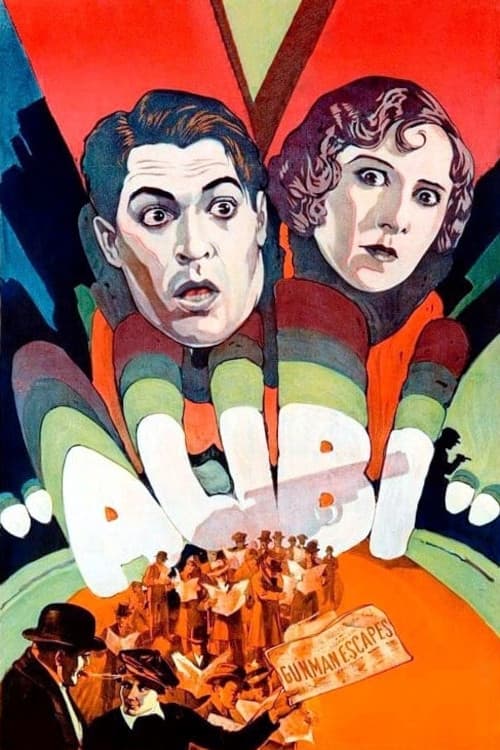
Alibi
1929
No user ratings available yet
Representation score: 0.6 out of 10
Representation Score
Minimal
1935
ApprovedDirector
George B. Seitz
Runtime
18 minutes
Average Rating
No ratings yetNew Showbiz Analysis
Alibi Racket is a conventional 1935 crime drama that adheres strictly to the genre conventions of its time. The film prioritizes familiar crime and punishment clichés over social exploration. The production reflects the historical status quo, offering little to no disruption of established social hierarchies. It functions as a standard genre piece rather than a vehicle for diverse representation. Ultimately, the film lacks the intentionality required to provide meaningful perspectives on overlapping identities, remaining firmly within the era's traditional cinematic parameters.
Category Breakdown
The film follows a traditional framework that assumes everyone is straight or cisgender. There are no characters with non-binary gender identities or stories that challenge established social norms.
Female characters likely serve as romantic interests or plot catalysts rather than leaders. The narrative reinforces traditional gender roles typical of 1930s crime dramas.
The production reflects the homogeneous casting norms of its era. There is no indication of a non-white majority cast or significant minority representation within the urban setting.
The story reinforces institutional stability through its focus on law enforcement and police interrogation. It lacks evidence of secularism or non-traditional family dynamics.
No characters with visible or invisible disabilities are portrayed with ability to act. Disability is not a central narrative element in this crime mystery.
Present on Screen
Limited or Absent
Official Synopsis
How police interrogation cracks the "airtight" alibi of a criminal.
1929
1934
1938
1935
1931
1951
1935

1941
No reviews yet. Be the first to share your thoughts on this movie!
Use the rating form above to leave a star rating and optional review.