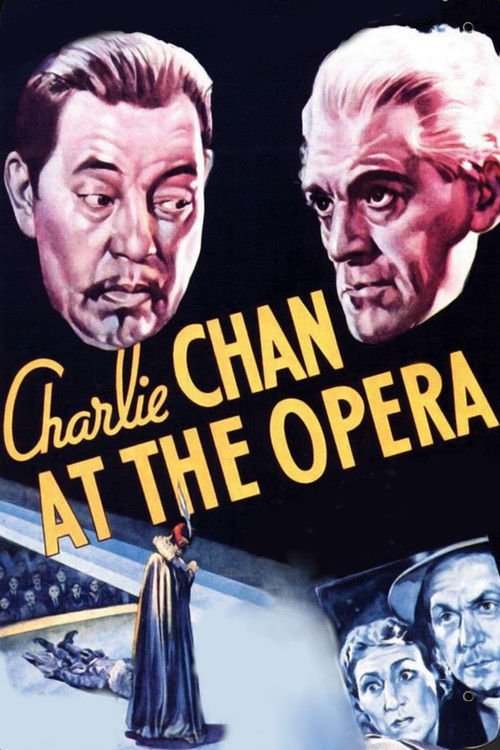
Charlie Chan at the Opera
1936
No user ratings available yet
Representation score: 1.1 out of 10
Representation Score
Limited
1940
NRDirector
Lynn Shores
Runtime
63 minutes
Average Rating
No ratings yetNew Showbiz Analysis
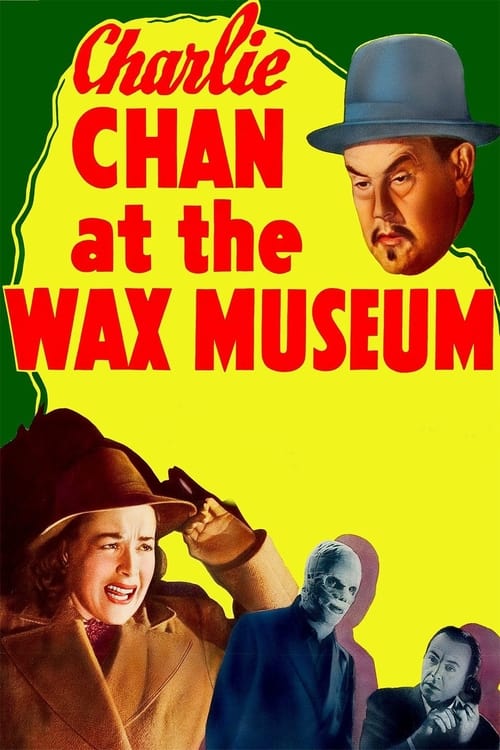
Charlie Chan at the Wax Museum reflects its era by emphasizing conservative social hierarchies from 1940. Although the main character stands out due to his ethnicity, the overall narrative structure remains traditional. The story focuses on genre conventions rather than challenging societal norms. It reinforces traditional gender roles and uses psychological instability simply as a plot device for thriller elements without offering nuanced representation. Ultimately, the film operates within standard Western frameworks, concentrating on solving crimes and restoring social stability without questioning institutional norms.
Category Breakdown
The film follows strict 1940s structures that assume everyone is straight or cisgender. There is no indication of non-traditional gender identities or same-sex relationships.
Women in the film have limited influence and mostly appear as victims or love interests. Men are portrayed through traditional authority and investigative skills.
Sidney Toler plays Charlie Chan, a Chinese-American detective. Despite his intelligence and leadership, the character is confined by the era's cultural clichés.
The story follows a conventional procedural format that upholds Western social and moral norms. It aims to restore order through the legal system.
Psychological instability is used as a plot device to create villains. The film does not offer meaningful or empowering portrayals of people with disabilities.
Present on Screen
Limited or Absent
Official Synopsis
A wax museum run by a demented doctor contains statues of such crime figures as Jack the Ripper and Bluebeard. In addition to making wax statues the doctor performs plastic surgery. It is here that an arch fiend takes refuge.
1936

1933
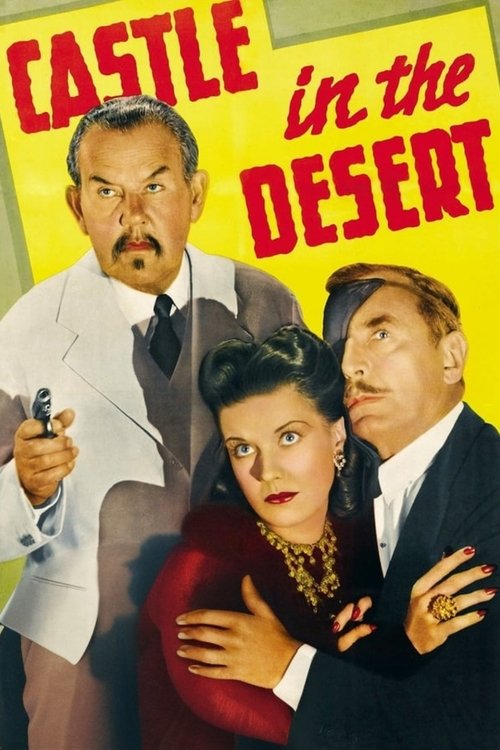
1942

1933
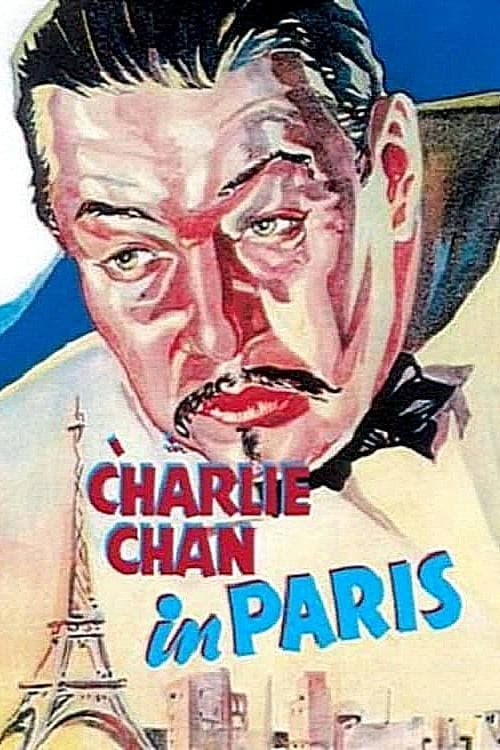
1935
1953
1932
1942
No reviews yet. Be the first to share your thoughts on this movie!
Use the rating form above to leave a star rating and optional review.