Village Barn Dance
1940
No user ratings available yet
Diversity score: 2.6 out of 10
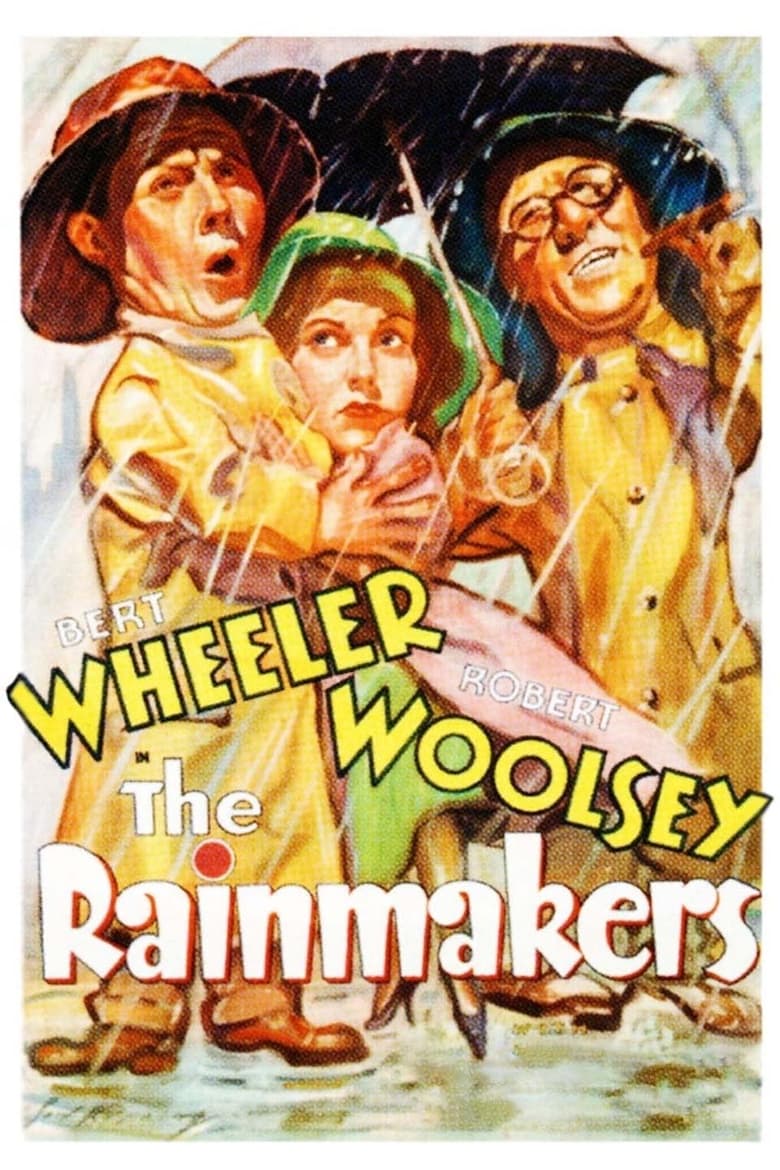
1935
ApprovedDirector
Fred Guiol
Runtime
78 minutes
Average Rating
No ratings yetSynopsis
Roscoe the Rainmaker is invited to California (with sidekick "Billy") to relieve a terrible dry spell and to save the community from an unscrupulous businessman who stands to profit from the drought
Overall Score
Limited
Category Breakdown
LGBTQ+ Representation
The film lacks LGBTQ+ characters or narratives. It adheres to the conventional romantic tropes and social mores typical of 1935 cinema.
Gender Representation
Agency is concentrated in the male protagonists, Roscoe and Billy. While the romance genre implies female presence, the plot focuses on male professional competence.
Racial & Ethnic Diversity
The film likely reflects the era's tendency to depict white, Western populations as the default. There is no evidence of diverse racial casting.
Religious & Cultural Diversity
The story offers a minor critique of capitalism by pitting community welfare against an unscrupulous businessman. However, it relies on traditional folk-hero archetypes.
Disability Representation
There is no documented evidence regarding the portrayal of physical or neurodivergent disabilities in this work.
Strengths
Areas for Improvement
AI Analysis
The Rainmakers is a product of the 1930s studio system, prioritizing traditional narrative structures over social subversion. The plot centers on a male-driven struggle to save a community from a predatory businessman during a drought. While the film introduces a conflict between greed and community welfare, it does so through conventional archetypes. The narrative lacks intersectional complexity, remaining rooted in the demographic norms of its era. Ultimately, the film functions as a standard period piece. It provides little representation for marginalized groups, focusing instead on a traditional hero's journey within a homogeneous social framework.
1940
1933

1947
1943
1942
1929
No reviews yet. Be the first to share your thoughts on this movie!
Use the rating form above to leave a star rating and optional review.