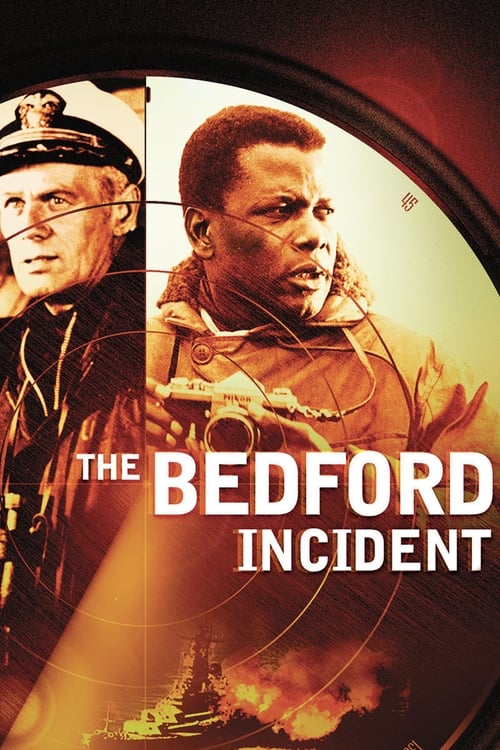
The Bedford Incident
1965
No user ratings available yet
Representation score: 0.8 out of 10
Representation Score
Limited
1970
PGDirector
Frank Pierson
Runtime
108 minutes
Average Rating
No ratings yetNew Showbiz Analysis
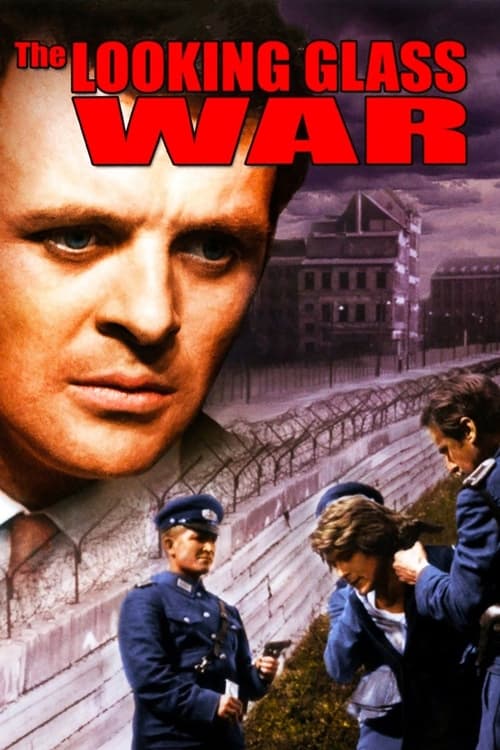
The Looking Glass War is a psychological exploration of wartime disillusionment that prioritizes existential themes over traditional heroism. Its strength lies in challenging gendered domesticity and providing a nuanced critique of state institutions and military authority. However, the film is limited by the demographic realities of its time, lacking significant representation of racial, ethnic, or LGBTQ+ diversity. It remains a homogeneous production. Ultimately, the film's value is in its intellectual depth and its refusal to offer a simplistic patriotic narrative, despite its lack of diverse representation.
Category Breakdown
The film centers on heterosexual romance between a British officer and a French woman. There are no characters with non-binary gender identities or same-sex relationships.
The female lead is actively involved in the high-stakes espionage plot rather than being a passive domestic figure. Her role challenges the submissive stereotypes of the mid-20th century.
The cast is primarily composed of white actors, reflecting the historical context of the 1940s. There is limited diversity in terms of race and ethnicity.
The story critiques the effectiveness of state authority and military operations. It highlights the psychological isolation of individuals against the backdrop of war.
There are no characters with visible or invisible disabilities. Disability is not used as a narrative element in the film.
Present on Screen
Limited or Absent
Official Synopsis
When a Polish sailor jumps ship in Britain, a couple of local intelligence operatives keep him under surveillance. Soon, he’s recruited to infiltrate a missile installation outside of East Berlin and bring back photos of the new rockets.
1965

1965
1966
1969
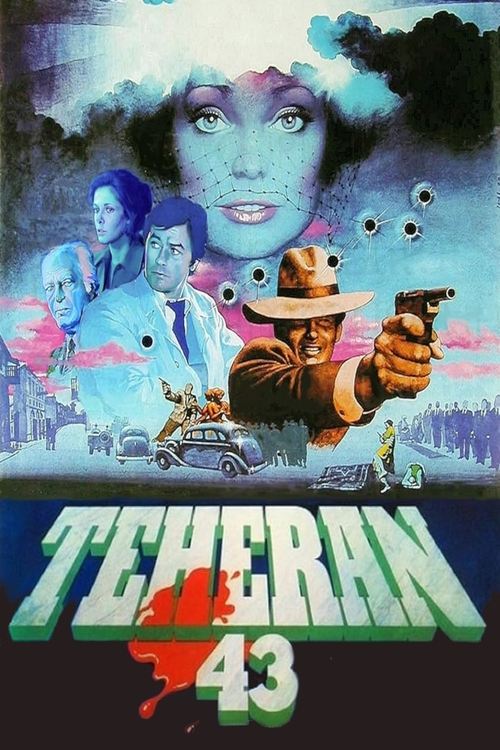
1981
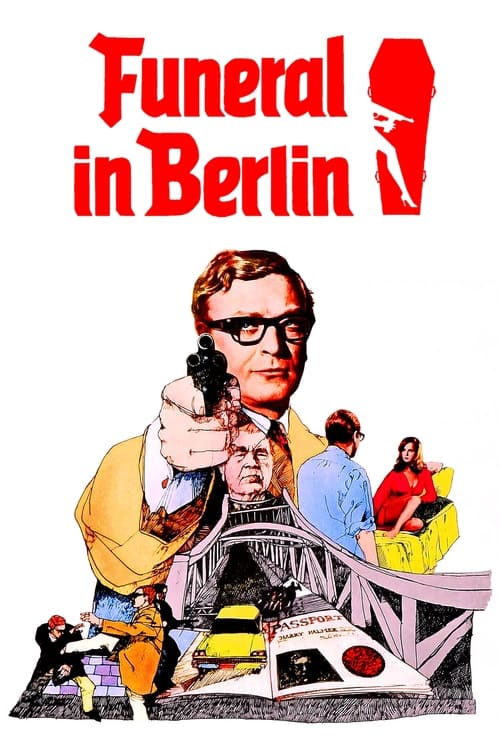
1966
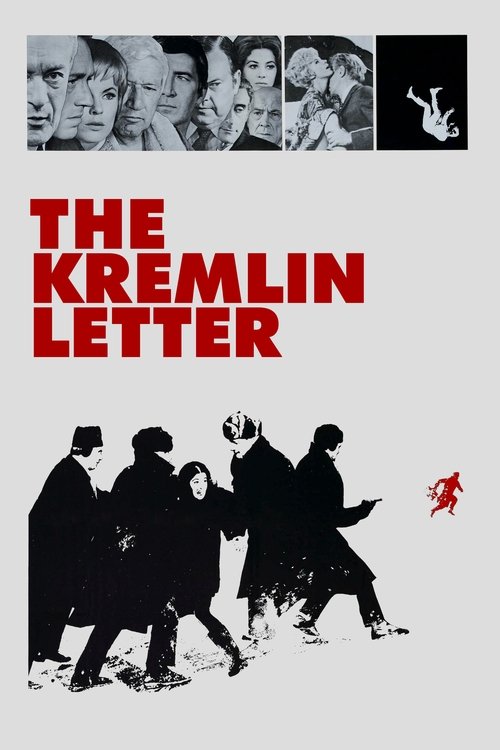
1970

1977
No reviews yet. Be the first to share your thoughts on this movie!
Use the rating form above to leave a star rating and optional review.