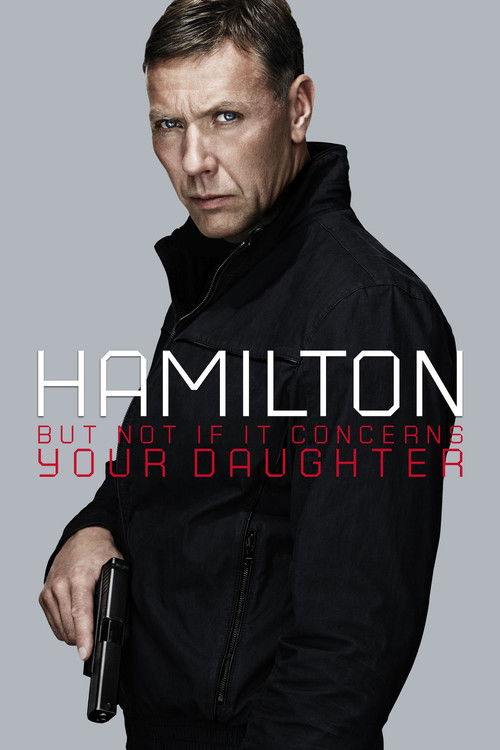
Hamilton 2: But Not If It Concerns Your Daughter
2012
No user ratings available yet
Diversity score: 3.2 out of 10
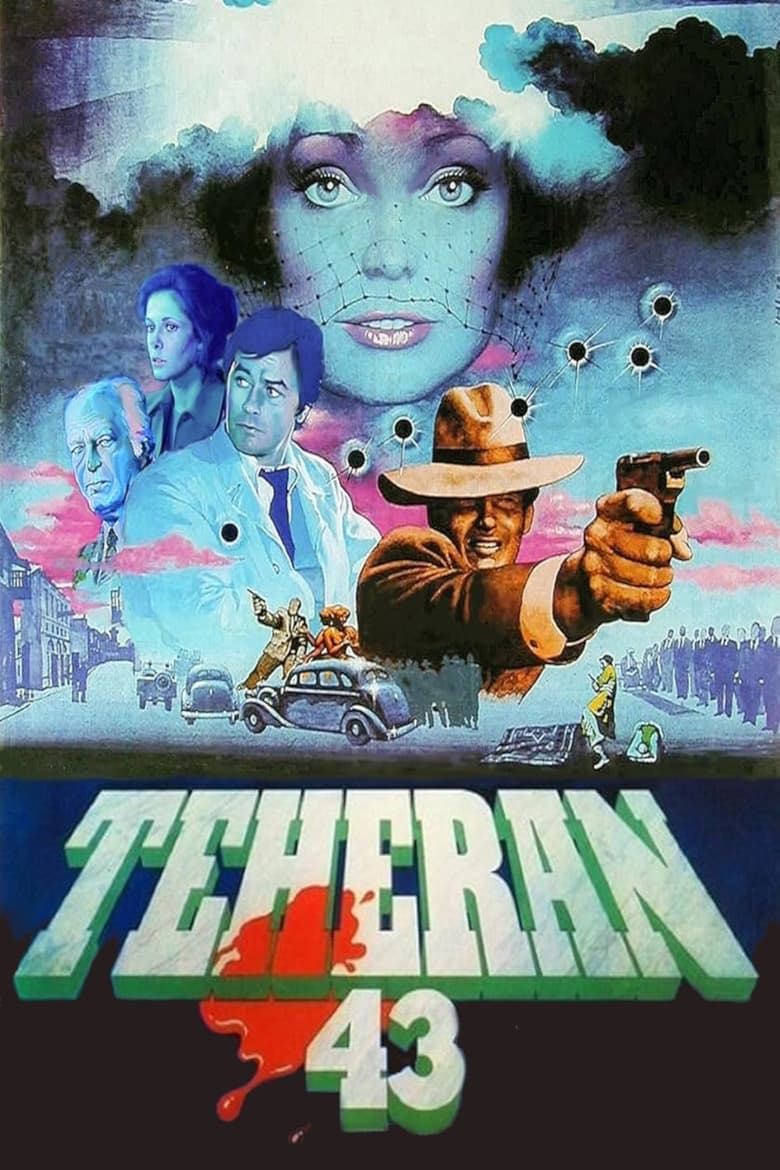
1981
Director
Aleksandr Alov, Vladimir Naumov
Runtime
192 minutes
Average Rating
No ratings yetSynopsis
This story starts in 1980 in Paris as the memories of Andrei Borodin, a Soviet agent, take the action back to 1943 during the Teheran meetings of Stalin, Roosevelt and Churchill. A high-ranking Nazi officer developed a plan to assassinate the three world leaders in order to undermine the Allied forces. He commissioned the German agent Max Richard to carry out his plan, but it failed miserably due to the quick action and thinking of Andrei. While in Teheran, Andrei met a French woman, Marie Louni, living in the city and they had a brief but intense affair. Nearly four decades later, the Nazi officer has been captured - but not for long. Freed by terrorists, the officer is hunting down the German agent who failed to carry out the planned assassinations. Max lives at Françoise, a young French woman, who hides him.
Overall Score
Fair
Category Breakdown
LGBTQ+ Representation
The film focuses on traditional wartime espionage and diplomatic tension. It lacks queer narratives, centering instead on a heteronormative romantic encounter between the protagonist and Marie Louni.
Gender Representation
The story operates within a masculine framework, prioritizing military intelligence and diplomacy. While Marie Louni provides a romantic counterpoint, plot agency is held almost exclusively by male officers.
Racial & Ethnic Diversity
The geopolitical setting of Tehran introduces a multicultural cast. By incorporating Iranian characters and Allied representatives, the film avoids a purely Eurocentric narrative despite its focus on global powers.
Religious & Cultural Diversity
The film offers a nuanced view of the Grand Alliance, exploring the paranoid nature of international diplomacy. It challenges Western cinematic tropes by centering the Soviet perspective and systemic wartime pressures.
Disability Representation
There is no discernible evidence regarding the portrayal of physical or neurodivergent disabilities within the narrative.
Strengths
Areas for Improvement
AI Analysis
Teheran '43 is a sophisticated historical thriller that shifts the perspective of the Tehran Conference toward the Soviet intelligence experience. It avoids the simplified, moralistic heroism often found in Western war films, opting instead for a pragmatic look at institutional power and survivalist diplomacy. However, the film remains constrained by the era's cinematic conventions. It adheres to traditional gender hierarchies and heteronormative structures, with male-dominated leadership driving the primary conflict and plot progression. Ultimately, the film succeeds in its international scope. By utilizing its Iranian setting to include a multicultural cast, it provides a more complex geopolitical landscape than many contemporary action dramas.
2012
1973
1969
1965
1995
No reviews yet. Be the first to share your thoughts on this movie!
Use the rating form above to leave a star rating and optional review.