Armstrong
1998
No user ratings available yet
Representation score: 1.9 out of 10
Representation Score
Limited
1995
RDirector
George Mihalka
Runtime
101 minutes
Average Rating
No ratings yetNew Showbiz Analysis
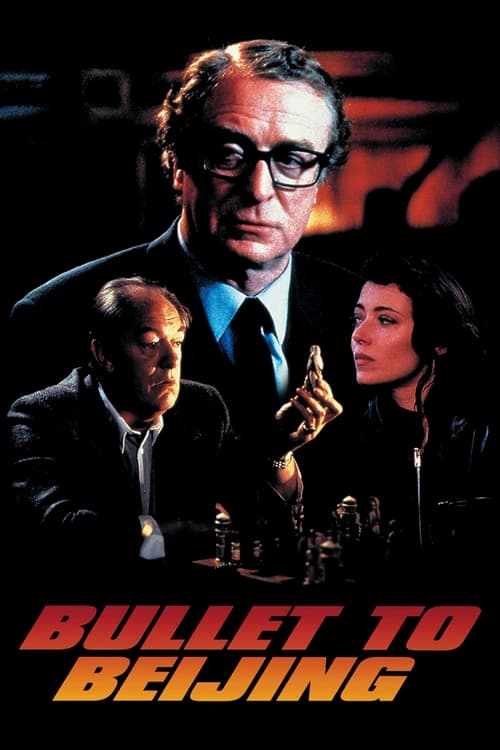
Bullet to Beijing is a conventional mid-90s espionage thriller that prioritizes plot-driven action over identity-driven character development. It adheres to the established social and professional hierarchies common to the genre during its era. While the global scope of the mission necessitates an international cast, the film does not use its settings to challenge Western-centric dominance or provide meaningful ability to act to underrepresented groups. It functions primarily as a traditionalist piece of genre entertainment.
Category Breakdown
The film operates within a strictly straight-centered framework. There are no depictions of same-sex intimacy or non-binary identities present in the narrative.
Narrative ability to act is concentrated almost exclusively in male characters like Harry Palmer. Female characters exist but function within standard 1990s genre clichés without driving the plot.
The international settings of Beijing and St. Petersburg provide an ethnic variety necessary for the plot. However, this diversity feels incidental to the setting rather than a deliberate effort to center non-Western perspectives.
The story follows standard Cold War-era thriller clichés. It focuses on geopolitical stakes and biochemical weapons rather than engaging in social critique or exploring specific cultural or religious values.
The film lacks any discernible focus on physical disabilities, neurodivergence, or mental health. Characters are portrayed as able-bodied professionals capable of high-stakes physical action.
Present on Screen
Limited or Absent
Official Synopsis
When long-time British agent Harry Palmer loses his job because the Cold War is over, he's promptly approached by a Russian bossman, Alex. In St. Petersburg Alex tells Harry of his plan for Russia's future, which is threatened because a deadly biochemical weapon called the Red Death has been stolen from him. He'll pay Harry handsomely to retrieve it. An ex-spy friend tips Harry off that it's being sent to Beijing by train, aboard which we begin to learn whose side everyone's really on.
1998
1987
1996

1977
1998
1999
1992
2012
No reviews yet. Be the first to share your thoughts on this movie!
Use the rating form above to leave a star rating and optional review.