
Hellbent
1988
No user ratings available yet
Representation score: 2.6 out of 10
Representation Score
Limited
2000
RDirector
Brian Yuzna
Runtime
98 minutes
Average Rating
No ratings yetNew Showbiz Analysis
Brian Yuzna’s film prioritizes a stylized Gothic atmosphere and genre clichés over progressive representation. The narrative is driven by individualistic tragic obsession rather than exploring multiple aspects of identity. While the film offers a postmodern skepticism toward religious institutions, it remains tethered to homogeneous casting and traditional gender hierarchies. It functions as a genre piece that reinforces standard horror archetypes. Ultimately, the work lacks the complexity required to challenge systemic social roles or expand the spectrum of identity.
Category Breakdown
The film follows a conventional structure centered around heterosexual relationships. The central conflict revolves around a traditional romantic obsession between a male protagonist and a female figure.
Gender roles adhere to traditional Gothic horror hierarchies. The female character primarily serves as a catalyst for the male protagonist's actions rather than acting independently.
Casting is predominantly white and Eurocentric to match the Gothic aesthetic. There is no intentional integration of diverse ethnic identities within the primary cast.
The narrative explores moral relativism and spiritual decay. It challenges traditional religious authority through supernatural entities, but lacks broader systemic critiques.
There is no significant portrayal of characters with visible or invisible disabilities. The focus remains on supernatural transformation rather than lived experiences of disability.
Present on Screen
Limited or Absent
Official Synopsis
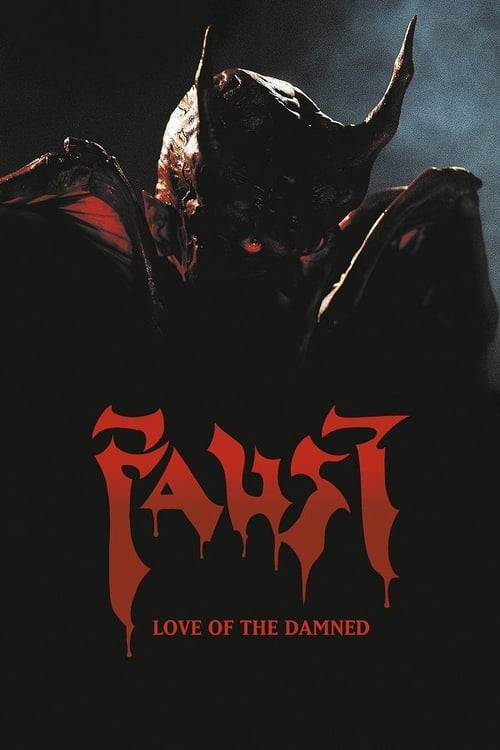
An artist sells his soul to the mysterious M in order to get revenge on the people who killed his girlfriend. Soon, he realises everything has a price, and he is transformed into a horned demon with a passion for killing.
1988

1973
2022
1926

2022

1997

1992

1997
No reviews yet. Be the first to share your thoughts on this movie!
Use the rating form above to leave a star rating and optional review.