I Swear
2025
No user ratings available yet
Representation score: 5.0 out of 10
Representation Score
Limited
1998
RDirector
Gary Winick
Runtime
91 minutes
Average Rating
No ratings yetNew Showbiz Analysis
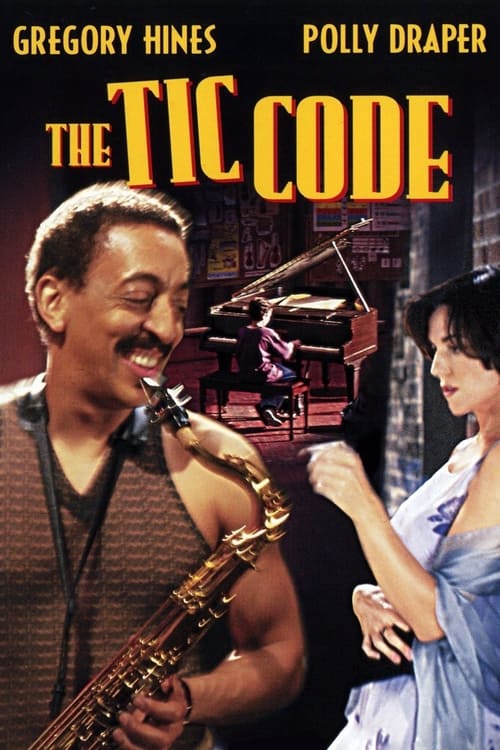
The Tic Code is a focused character study that highlights neurodivergent experiences. By centering the narrative on Tourette's Syndrome, the film provides a detailed look at how disability impacts professional identity and social status. While the film excels in portraying the challenges faced by individuals with Tourette's Syndrome, it remains within traditional social and cultural boundaries. It lacks engagement with LGBTQ+ identities, racial diversity, or critiques of Western institutions. Overall, the film's strength lies in its portrayal of neurodiversity while maintaining a relatively homogeneous social setting.
Category Breakdown
The film does not include any LGBTQ+ characters or explore non-cisgender identities. It focuses on traditional family and work settings.
Gender roles remain traditional, with the mother's role centered around home life. Male vulnerability is explored through neurological issues rather than challenging gender norms.
The story seems to take place in a homogeneous suburban area with no indication of diverse casting or exploration of racial backgrounds.
The film follows typical Western storytelling, focusing on personal resilience and artistic pursuits. It avoids critiquing religious or institutional frameworks.
The film centers its narrative on Tourette's Syndrome, offering a nuanced look at how involuntary tics affect a person's ability to act normally and fit societal expectations.
Present on Screen
Limited or Absent
Official Synopsis
A 10 year old gifted boy wants to be a jazz pianist much to the chagrin of his more classical oriented piano instructor. With his mother's help, he is an underage regular at a local nightspot, where he is teamed up with a sax superstar. Both come to learn that each suffers from Tourette's Syndrome (thus the film title). The older man has developed mannerisms to cover up his own fallibilities and resents the boy and his mother's acceptance of the disease.
2025
2010

1997

2014

2017

2008

2001

2011
No reviews yet. Be the first to share your thoughts on this movie!
Use the rating form above to leave a star rating and optional review.