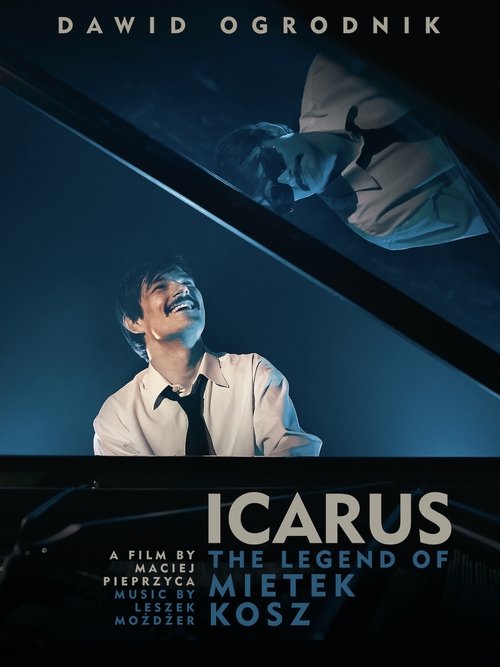
Icarus. The Legend of Mietek Kosz
2019
No user ratings available yet
Representation score: 6.2 out of 10
Representation Score
Fair
2017
Director
Mauro Lima
Runtime
117 minutes
Average Rating
No ratings yetNew Showbiz Analysis
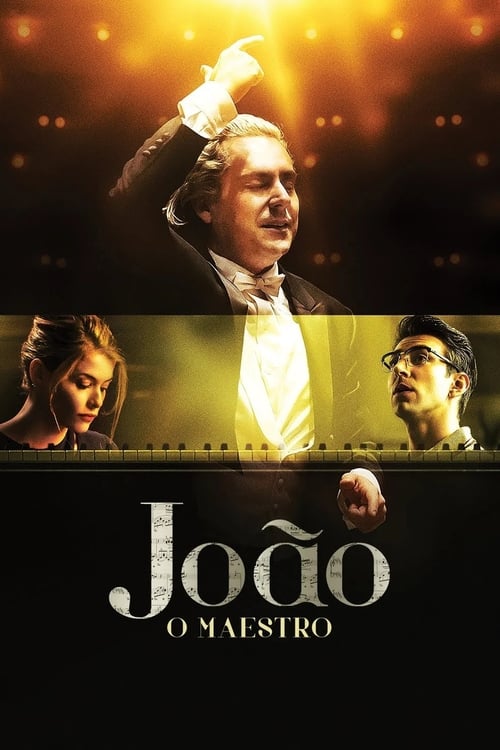
João, o Maestro is a significant biographical drama that challenges traditional expectations of who occupies prestigious classical music spaces. By centering a Black Brazilian conductor, the film provides a powerful exploration of racial ability to act and the systemic barriers found in high-art institutions. While the film excels in its portrayal of race and disability, it remains tied to the social hierarchies of its period. The lack of LGBTQ+ representation and adherence to conventional mid-century gender roles prevent a higher overall diversity score. Ultimately, the work shifts the historical perspective toward a complex, post-colonial view of artistic achievement, making it a vital study of class and cultural gatekeeping.
Category Breakdown
The film focuses on the protagonist's journey within a mid-20th-century social context. There is no indication of diverse sexual orientations or gender identities among the main characters.
The narrative is driven by a central male figure, reflecting traditional mid-century gender roles. While it avoids harmful stereotypes, it lacks the subversion of traditional hierarchies needed for a higher score.
The film excels by centering a Black man's rise through the white-dominated world of classical music. It serves as a profound study of navigating systemic barriers and post-colonial social dynamics.
The story offers a nuanced critique of exclusionary Western institutions. It explores the tension between humble origins and the high-society prestige of European-derived art forms and class mobility.
The protagonist's journey is closely tied to his physical health challenges. The film integrates his medical realities into his identity and relationship with the piano, giving him significant control over his story.
Present on Screen
Limited or Absent
Official Synopsis
João Carlos Martins was a child with serious health problems. Because of this, he had a reclusive childhood. But one day, the piano came into his life. He arises as a stubborn boy who, in a few years turns into one of the biggest promises of the world classical music.
2019

2013
2010
2006

2006

1998
2017
2015
No reviews yet. Be the first to share your thoughts on this movie!
Use the rating form above to leave a star rating and optional review.