
Double Platinum
1999
No user ratings available yet
Representation score: 2.6 out of 10
Representation Score
Fair
1997
Not RatedDirector
Karen Arthur
Runtime
91 minutes
Average Rating
No ratings yetNew Showbiz Analysis
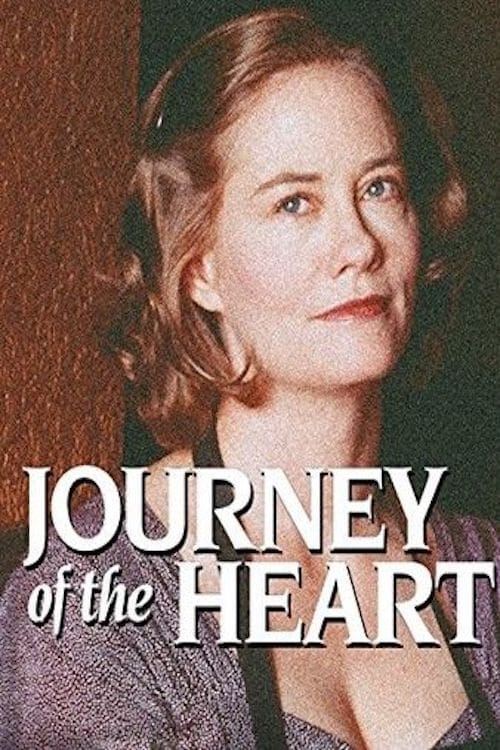
Journey of the Heart succeeds as a focused character study, particularly in its empathetic portrayal of neurodivergence and female-led storytelling. By centering on Janice’s journey toward self-discovery, the film moves beyond standard domestic clichés to highlight the strength of a single mother. However, the film is limited by its narrow demographic scope. The reliance on a homogeneous, white, small-town setting prevents a broader perspective, keeping the narrative within traditional social frameworks. While the depiction of autism offers genuine insight into cognitive differences, the film lacks systemic critique, opting instead for emotional reconciliation within a conventional social structure.
Category Breakdown
The film follows a traditional romantic storyline and assumes everyone is straight and cisgender, with no exploration of diverse sexual orientations or gender identities.
The story centers on a single mother who navigates personal autonomy and emotional healing. Janice acts as the primary driver of her own life, emphasizing women's ability to drive the story.
The production utilizes a homogeneous cast reflecting a white, small-town demographic. There is no evidence of significant multicultural integration within the primary character arcs.
The narrative explores the friction between individualistic lifestyles and restrictive small-town social mores. It focuses on the outsider status of a non-traditional family unit.
The film provides meaningful representation of neurodivergence through Tony, an autistic child. It highlights his specific abilities and talents rather than using disability as a plot device.
Present on Screen
Limited or Absent
Official Synopsis
Janice is the subject of the town gossips for four reasons: she wears too much lipstick, her hair is too big, she is a single-mother and her two children are strange. Ray (6) is a hellraiser and Tony (9) is autistic. One day, however, Tony sits down at the piano and plays Twinkle Twinkle Little Star, and Janice knows there may be hope for him (and them) yet.
1999

2014
1998
1998
1979
2006
2004
2005
No reviews yet. Be the first to share your thoughts on this movie!
Use the rating form above to leave a star rating and optional review.