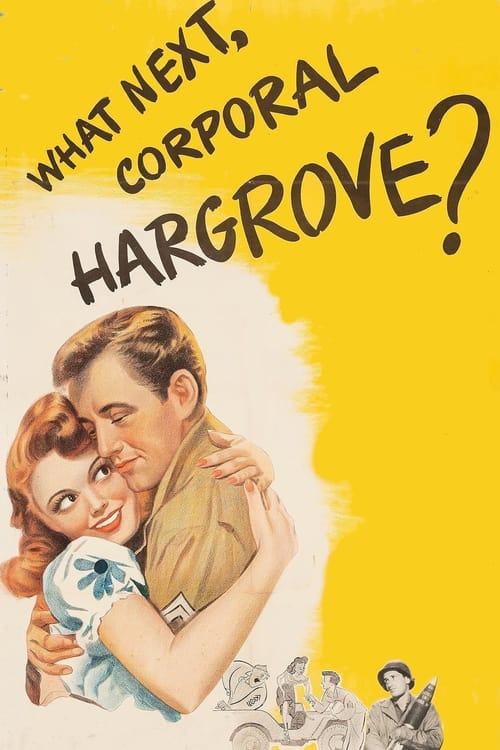
What Next, Corporal Hargrove?
1945
No user ratings available yet
Representation score: 2.5 out of 10
Representation Score
Minimal
1944
NRDirector
Alfred E. Green
Runtime
80 minutes
Average Rating
No ratings yetNew Showbiz Analysis
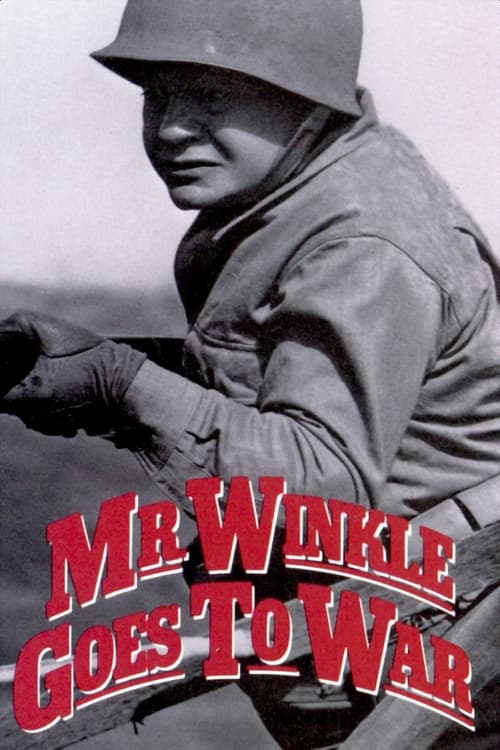
Mr. Winkle Goes to War is a period-specific comedy that adheres to the conventional social norms of 1944. The film relies on established clichés of the era, focusing on a white, middle-aged male protagonist navigating domestic and military life. While the film offers a minor challenge to the hyper-masculine soldier cliché by featuring a meek, henpecked clerk, this serves a comedic purpose rather than a social one. The character's journey is framed within the necessity of military institutional loyalty. Ultimately, the film lacks depth in reflecting multiple aspects of identity. It functions as a traditional wartime entertainment that reinforces the status quo rather than challenging broader social hierarchies or providing diverse representation.
Category Breakdown
The film follows a strictly straight-centered framework. The plot centers on the protagonist's marriage, with no presence of diverse gender identities.
Gender roles follow traditional 1940s hierarchies. The female lead serves primarily as a source of domestic conflict for the male lead.
The narrative focuses on the experiences of a middle-aged white male. There is no indication of racial blending or characters of color.
The story reinforces wartime national duty and traditional social structures. It centers on the transition from civilian life to military service.
There is no evidence of characters with visible or invisible disabilities within the film's narrative.
Present on Screen
Limited or Absent
Official Synopsis
Wilbert Winkle, a henpecked, mild-mannered, middle-aged bank clerk and handyman finds himself in the midst of battle in the South Pacific.
1945
1959
1958
1955

1950

1938
1968

1942
No reviews yet. Be the first to share your thoughts on this movie!
Use the rating form above to leave a star rating and optional review.