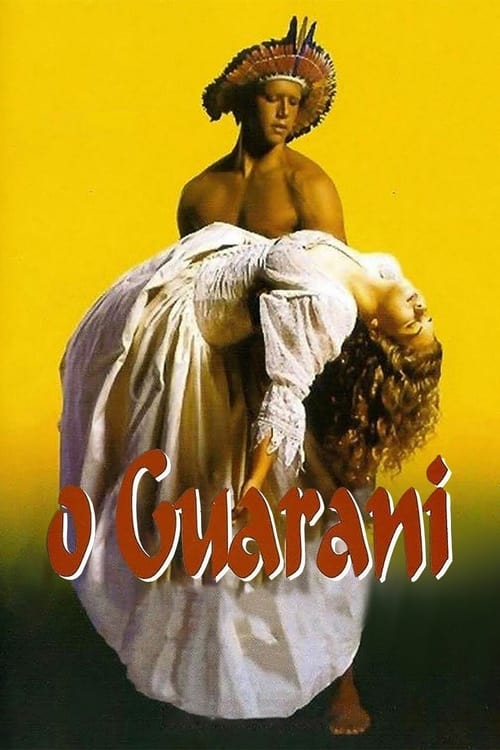
O Guarani
1996
No user ratings available yet
Representation score: 3.0 out of 10
Representation Score
Fair
2002
Director
Alain Fresnot
Runtime
101 minutes
Average Rating
No ratings yetNew Showbiz Analysis
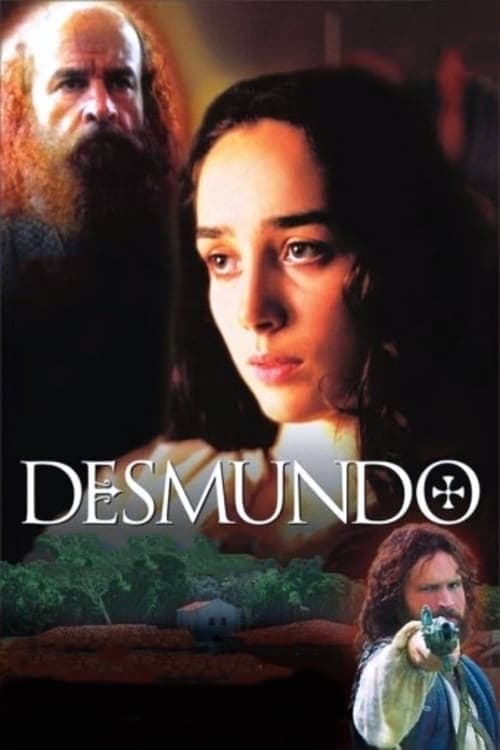
Desmundo is a period drama that explores the tension between individual ability to act and systemic colonial structures. It functions as a psychological study of displacement within a rigid historical framework. The film avoids modern identity-driven clichés, focusing instead on how characters navigate power within 16th-century hierarchies. While it lacks contemporary progressive representation, it critiques traditional power through its central protagonist. Ultimately, the work serves as a study of historical tension, highlighting the clash between European religious rigidity and the raw reality of colonial Brazil.
Category Breakdown
The film adheres to the social and sexual norms of the 16th-century colonial era, showing no evidence of non-straight relationships or queer stories.
The story focuses on the tension between women's ability to drive the plot and the male-dominated colonial structures. Orisbela is shown as a central figure navigating a male-dominated landscape rather than a passive bride.
Set in colonial Brazil, the film depicts a landscape where different racial backgrounds intersect. However, the primary focus remains on the Portuguese arrivals, leaving the roles of indigenous and enslaved populations unclear.
The film portrays the New World as a place of religious conflict rather than smooth European expansion. It highlights the clash between religious beliefs and the harsh realities of colonial life.
There is no evidence of characters with visible or invisible disabilities in the film.
Present on Screen
Limited or Absent
Official Synopsis
The story of Orisbela, a young and religious woman who comes from Portugal to Brazil to marry Francisco de Albuquerque, a rude sugar-cane plantation owner, in 1570.
1996
1982

1990

2001

1995

1941
1976
1967
No reviews yet. Be the first to share your thoughts on this movie!
Use the rating form above to leave a star rating and optional review.