All Things Fair
1995
No user ratings available yet
Representation score: 3.6 out of 10
Representation Score
Limited
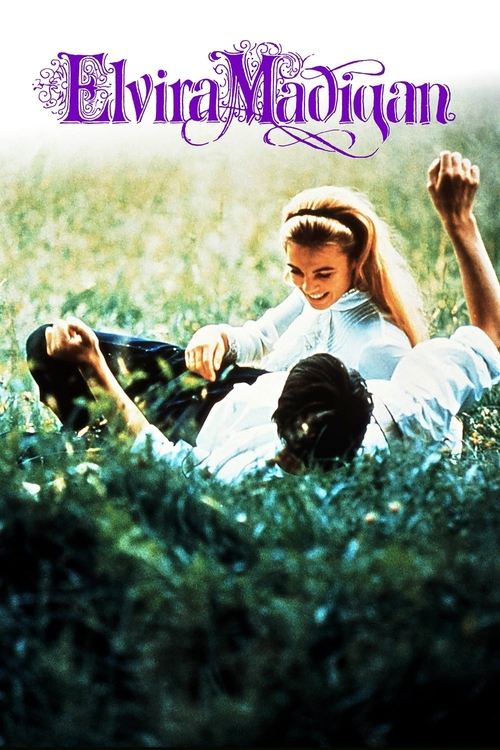
1967
PGDirector
Bo Widerberg
Runtime
91 minutes
Average Rating
No ratings yetNew Showbiz Analysis
Bo Widerberg’s drama examines the tension between individual ability to act and institutional authority. Though historically grounded and lacking modern diversity, it highlights female sovereignty and challenges traditional social duties. The film elevates its female lead beyond being merely an object of desire, yet it remains confined by its 19th-century Swedish setting, which limits racial and LGBTQ+ representation. Ultimately, the film serves as a bridge between traditional and modern cinema, trading conventional moralism for a tragic exploration of personal truth, despite falling short of contemporary standards for diverse casting.
Category Breakdown
The film centers on a heterosexual relationship and does not include any visible LGBTQ+ identities or queer subtext.
Elvira Madigan is a strong female protagonist who drives the plot with her own decisions, avoiding submissive stereotypes typical of period dramas.
The cast mirrors the demographic makeup of 19th-century Sweden, lacking diverse ethnic perspectives or color-blind casting.
The story critiques rigid Western institutions by presenting the protagonists' actions as a pursuit of romantic ideals. It explores moral relativism through the lens of abandoning social contracts.
There are no prominent depictions of visible or invisible disabilities within the main cast or central storyline.
Present on Screen
Limited or Absent
Official Synopsis
Famous acrobat Elvira Madigan meets Sixten Sparre, a married Swedish officer with two children. They decide to elope, but since Sparre deserted the army, he's unemployable and the couple encounter various hardships.
1995
1955
1941

1970
1973
1934
1936
1988
No reviews yet. Be the first to share your thoughts on this movie!
Use the rating form above to leave a star rating and optional review.