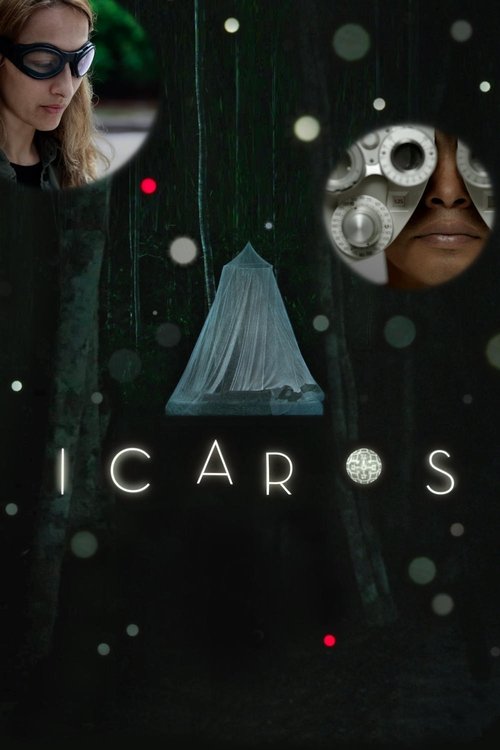
Icaros: A Vision
2017
No user ratings available yet
Representation score: 6.3 out of 10
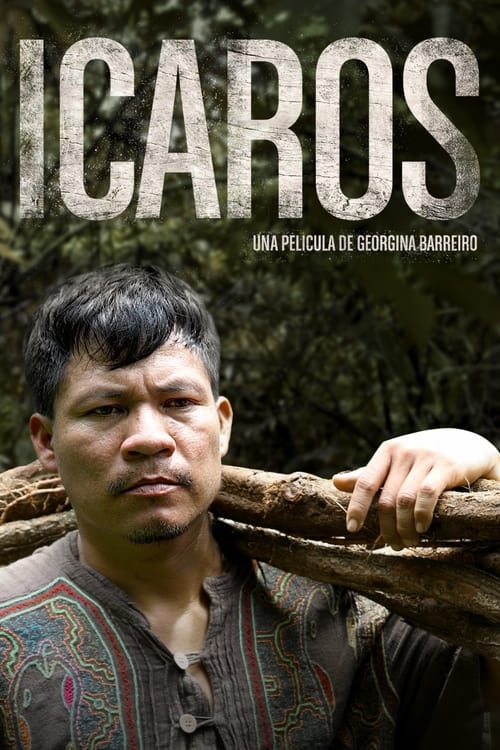
Representation Score
Excellent
2014
TV-GDirector
Georgina Barreiro
Runtime
70 minutes
Average Rating
No ratings yetNew Showbiz Analysis
Georgina Barreiro’s documentary is a powerful reclaiming of indigenous knowledge. By centering the Shipibo people as the creators of their own story, the film avoids the detached tone often found in ethnographic works. It elevates ancestral knowledge to a position of intellectual authority. The film's greatest strength lies in its refusal to view indigenous spirituality through a Western lens. Instead, it presents the Shipibo worldview as a valid, complex system of understanding the universe. This approach critiques Western scientific dominance effectively. However, the film is narrow in its scope. It does not address LGBTQ+ identities or specific physical disabilities, leaving those areas of representation largely untouched. While it excels in cultural and racial ability to act, it remains focused on a specific spiritual journey.
Category Breakdown
The film does not include any explicit LGBTQ+ narratives or characters. It focuses on communal spiritual identity without depicting non-straight or non-cisgender identities.
The film challenges traditional gender roles by presenting Mokan Rono’s mother as a master healer and central authority figure.
The documentary centers the Shipibo community's ability to act rather than treating them as passive subjects. It offers an authentic portrayal of Amazonian spiritual life.
The film challenges Western dominance by presenting ayahuasca knowledge as a sophisticated system. It emphasizes a non-secular, spiritually integrated worldview.
The film does not depict characters dealing with physical or neurodivergent disabilities. Its focus on altered consciousness touches on this theme only tangentially.
Present on Screen
Limited or Absent
Official Synopsis
Icaros explores the spiritual universe of the Shipibo indigenous people who live by the Ucayali river, one of the main tributaries of the Peruvian Amazon. Young Mokan Rono sets outs on a journey to discover the ancestral knowledge of ayahuasca, mentored by a wise shaman and by his mother, a master healer.
2017
2015
2013
2015
2019
2004
2015

1982
No reviews yet. Be the first to share your thoughts on this movie!
Use the rating form above to leave a star rating and optional review.